

Hello there, teachers and school librarians. This is for you – another #AuthorsLoveTeachers giveaway because we see you and appreciate you and want you to know that.
A giveaway on Twitter, in the grand scheme things, is not a big deal; I realize it’s a small gesture. But the authors here answered my call with enthusiasm. “Of course I’d love to help celebrate teachers!” There’s a lot of love here. Respect and admiration. Good wishes and gratitude.
Those of you who “know my story” know that, as a kid, I had teachers who changed the course of my life. I write to you today because of those people. Education was not just a career to them; it was a calling. And, nowadays, this calling to education is one heck of a hard job.
I’ve thought those teachers who saved me heroic since I was a sixth grader. In September of that year, I thought I was nothing. I was told I wouldn’t amount to anything and I had begun to buy into it. I’d made all kinds of assumptions about myself and my future. Until my sixth grade teacher, Mr. Christy, took me under his wing and made a point to change my perceptions of who I was and what I could do.
And there were other times, too, when I could have fallen hard; but it was the hands of my teachers who caught me. A science teacher in middle school. Both an algebra teacher and an English teacher in high school. They helped me know what success felt like and made me want more of it. They helped me think long term and find direction. And I write to each of you today because of them.
Those teachers saved me. Never doubt that. The power of a teacher is grand. But the power of a beloved and respected teacher is truly extraordinary.
And I bet that you are extraordinary.
~~~~~~~~~~~~~
******DIRECTIONS REGARDING HOW TO ENTER ARE AT THE END OF THE POST…
~~~~~~~~~~~~~
****THANK YOU, FELLOW CREATIVES!**** There is NO WAY I could do this without the support, kindness, and generosity of the many authors and/or illustrators who have donated.
THANK YOU, THANK YOU, THANK YOU to EACH and EVERY ONE of you!!!
~~~~~~~~~~~~~~~~~~~~~~~~~~~~~~~~~~~~
And NOW, without further adieu…Here are the BOOKS OF 2024!!


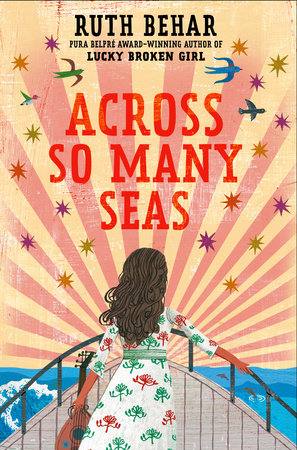


Rules: ***Giveaway ends on Tuesday, February 20 at 11:59PM. Winner will be announced the following day.
ENTER by Retweeting with hashtag #AuthorsLoveTeachers. Also, please comment on this blog. We’d love to hear about anything you’d like to tell us. Perhaps you could write about a teacher who meant a lot to you as a young learner. Why did you become a teacher? There are no rules regarding what you share. (NO pressure to be long!) PLEASE INCLUDE your Twitter handle or e-mail so I can find you if you win!
1) This is to show our appreciation for teachers and librarians, specifically. Therefore, the winner MUST have a school mailing address and be presently employed at that school.
***2) We know that teachers do not always get the appreciation they deserve. (They deserve parades and planets named after them.) This giveaway is a reminder that WE appreciate you. Yes—we write the books, but YOU are in the trenches every day. YOU get the books into the hands of children. Together, we create life-long readers.
And for that…we are most grateful.
Thank you.
Hello there, teachers and school librarians. This is for you – another #AuthorsLoveTeachers giveaway because we see you and appreciate you and want you to know that.
A giveaway on Twitter, in the grand scheme things, is not a big deal; I realize it’s a small gesture. But the authors here answered my call with enthusiasm. “Of course I’d love to help celebrate teachers!” There’s a lot of love here. Respect and admiration. Good wishes and gratitude.
Those of you who “know my story” know that, as a kid, I had teachers who changed the course of my life. I write to you today because of those people. Education was not just a career to them; it was a calling. And, nowadays, this calling to education is one heck of a hard job.
I’ve thought those teachers who saved me heroic since I was a sixth grader. In September of that year, I thought I was nothing. I was told I wouldn’t amount to anything and I had begun to buy into it. I’d made all kinds of assumptions about myself and my future. Until my sixth grade teacher, Mr. Christy, took me under his wing and made a point to change my perceptions of who I was and what I could do.
And there were other times, too, when I could have fallen hard; but it was the hands of my teachers who caught me. A science teacher in middle school. Both an algebra teacher and an English teacher in high school. They helped me know what success felt like and made me want more of it. They helped me think long term and find direction. And I write to each of you today because of them.
Those teachers saved me. Never doubt that. The power of a teacher is grand. But the power of a beloved and respected teacher is truly extraordinary.
And I bet that you are extraordinary.
~~~~~~~~~~~~~
******DIRECTIONS ON HOW TO ENTER ARE AT THE END OF THE POST…
~~~~~~~~~~~~~
****THANK YOU, FELLOW CREATIVES!**** There is NO WAY I could do this without the support, kindness, and generosity of the over a hundred authors and/or illustrators who have donated.
THANK YOU, THANK YOU, THANK YOU to EACH and EVERY ONE of you!!!
~~~~~~~~~~~~~~~~~~~~~~~~~~~~~~~~~~~~
And NOW, without further adieu…Here are the BOOKS OF 2023!! (HA! That rhymes

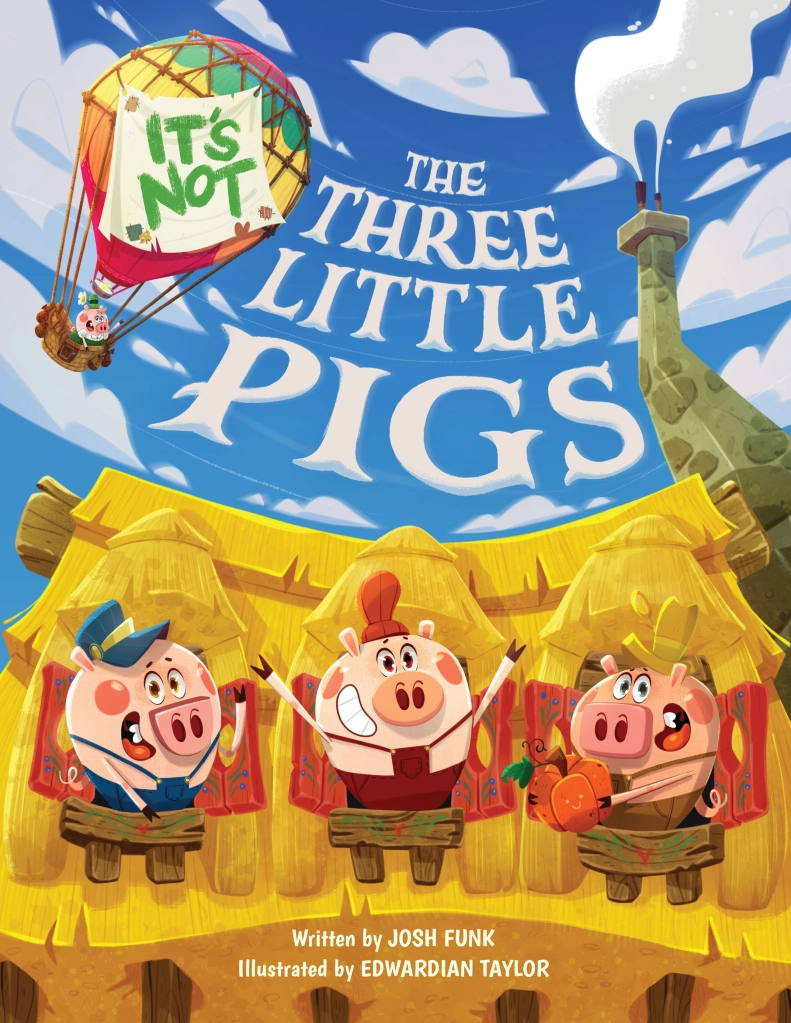


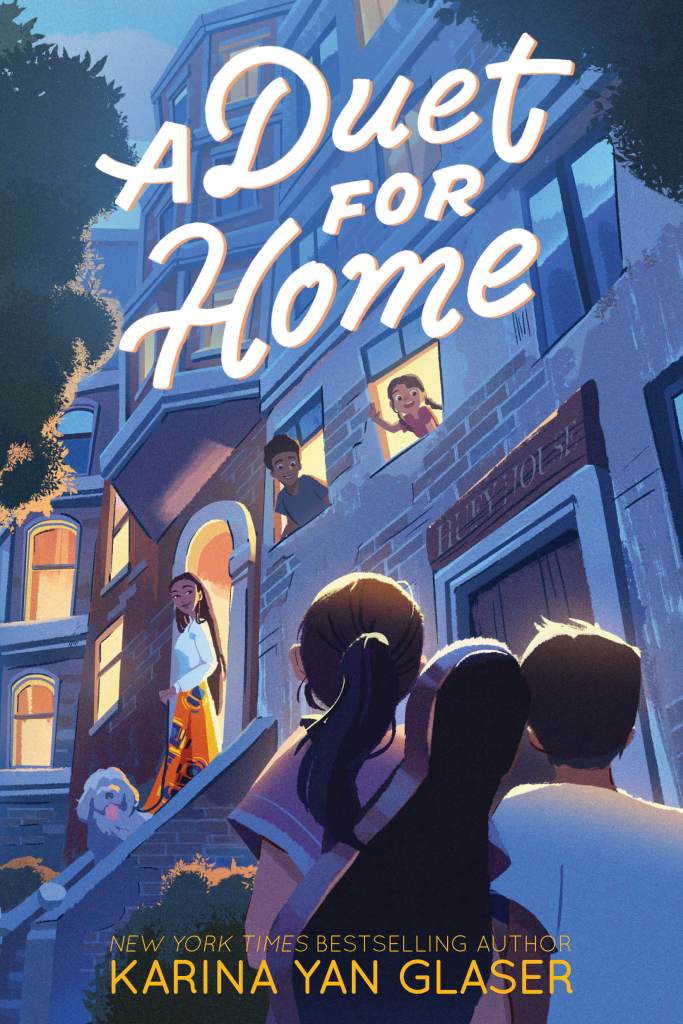


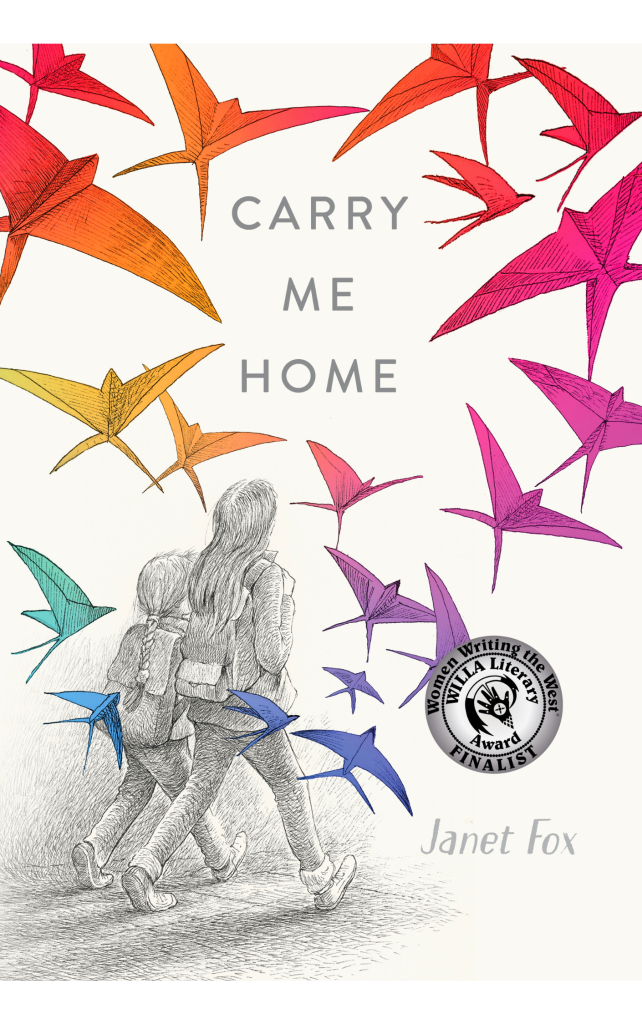


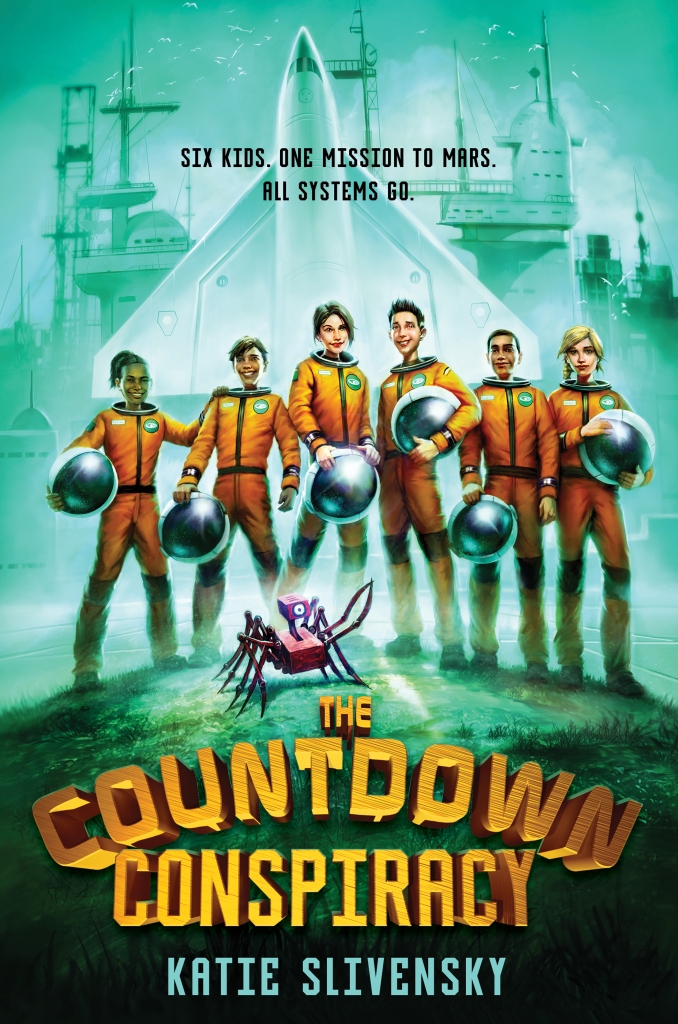


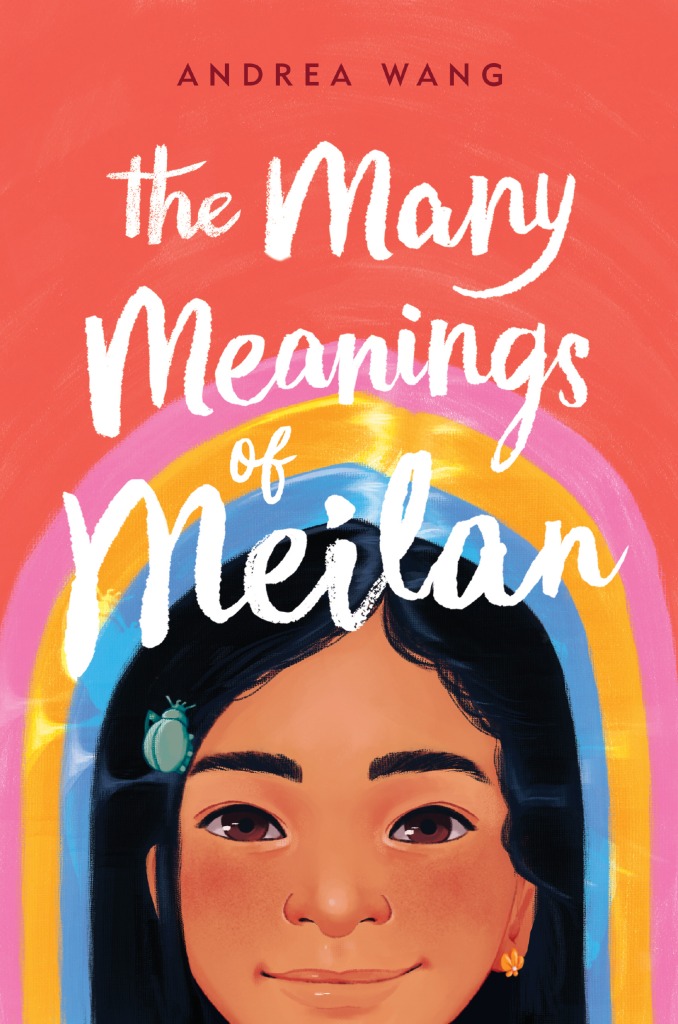

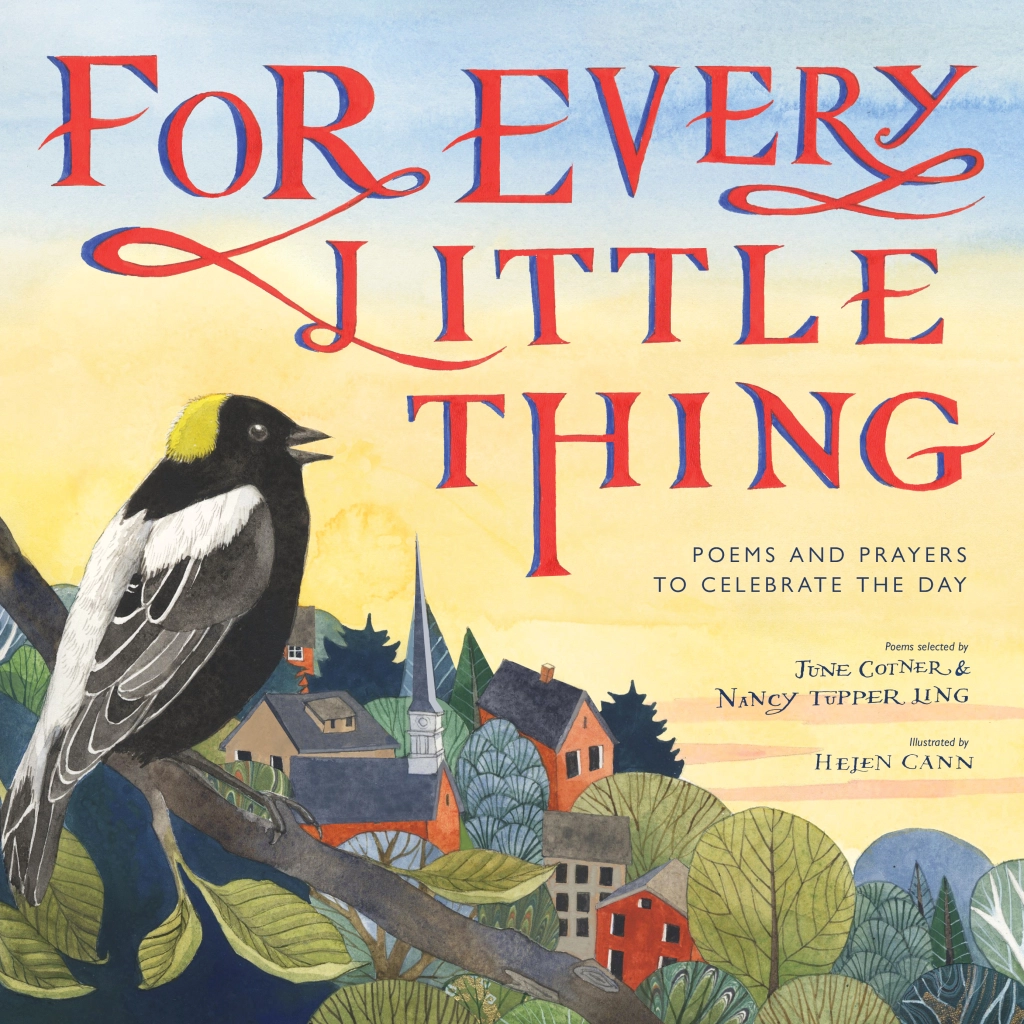




Rules: ***Giveaway ends on Tuesday, February 21 at 11:59PM. Winner will be announced the following day.
ENTER by Retweeting with hashtag #AuthorsLoveTeachers. Also, please comment on this blog. We’d love to hear about your experiences through all of this. Your struggles and victories. (NO pressure to be long!) PLEASE INCLUDE your Twitter handle or e-mail so I can find you if you win!
1) This is to show our appreciation for teachers and librarians, specifically. Therefore, the winner MUST have a school mailing address and be presently employed at that school.
***2) We know that teachers do not always get the appreciation they deserve. (They deserve parades and planets named after them.) This giveaway is a reminder that WE appreciate you. Yes—we write the books, but YOU are in the trenches every day. YOU get the books into the hands of children. Together, we create life-long readers.
And for that…we are most grateful.
Thank you.
~EXTRAORDINARY~
Wow. It’s been a couple of bizarre years, hasn’t it?
For we authors and illustrators, everything came to a stop when Covid came on the scene. No more drives or flights. No more school visits. No more conferences. The whole thing halted. Like a big rambling truck running into thick, springtime mud. So, we pivoted and the author experience shifted out of necessity. We learned about some newfangled thing called Zoom. And became more adept at other digital platforms. We did our best to support teachers by providing content, but…
For teachers that truck didn’t hit springtime mud. That truck came upon a steep incline. With patchy ice. Things didn’t pivot; they tipped upside down and spun around. The truck needed to make a long, arduous trip with very little gas and a bad muffler.
You started your engines and strapped yourselves in. And you rose to the occasion. All the while, worrying about your own safety and the safety of your families. Some of you had children of your own learning online. Oh there was/is so much to navigate. I don’t think the saying, “Some day, we’ll all look back on this and laugh.” applies here.
A giveaway on Twitter, in the grand scheme things, is not a big deal; I realize it’s a small gesture. But the authors here answered my call with enthusiasm. “Of course I’d love to help celebrate teachers!” There’s a lot of love here. Respect and admiration. Good wishes and gratitude.
Those of you who “know my story” know that, as a kid, I had teachers who changed the course of my life. I write to you today because of those people. Education was not just a career to them; it was a calling.
I’ve thought those teachers heroic since I was a sixth grader. In September of that year, I thought I was nothing. I was told I wouldn’t amount to anything and I had begun to buy into it. I’d made all kinds of assumptions about myself and my future. Until my sixth grade teacher, Mr. Christy, took me under his wing and made a point to change my perceptions of who I was and what I could do.
And there were other times, too, when I could have fallen hard; but it was the hands of my teachers who caught me. A science teacher in middle school. Both an algebra teacher and an English teacher in high school. They helped me know what success felt like and made me want more of it. They helped me think long term and find direction. And I write to each of you today because of them.
Those teachers saved me. Never doubt that. The power of a teacher is grand. But the power of a beloved and respected teacher is extraordinary.
And I bet that you are extraordinary.
~~~~~~~~~~~~~
******DIRECTIONS ON HOW TO ENTER ARE AT THE END OF THE POST…
~~~~~~~~~~~~~
****THANK YOU, FELLOW CREATIVES!**** There is NO WAY I could do this without the support, kindness, and generosity of the over a hundred authors and/or illustrators who have donated.
THANK YOU, THANK YOU, THANK YOU to EACH and EVERY ONE of you!!!

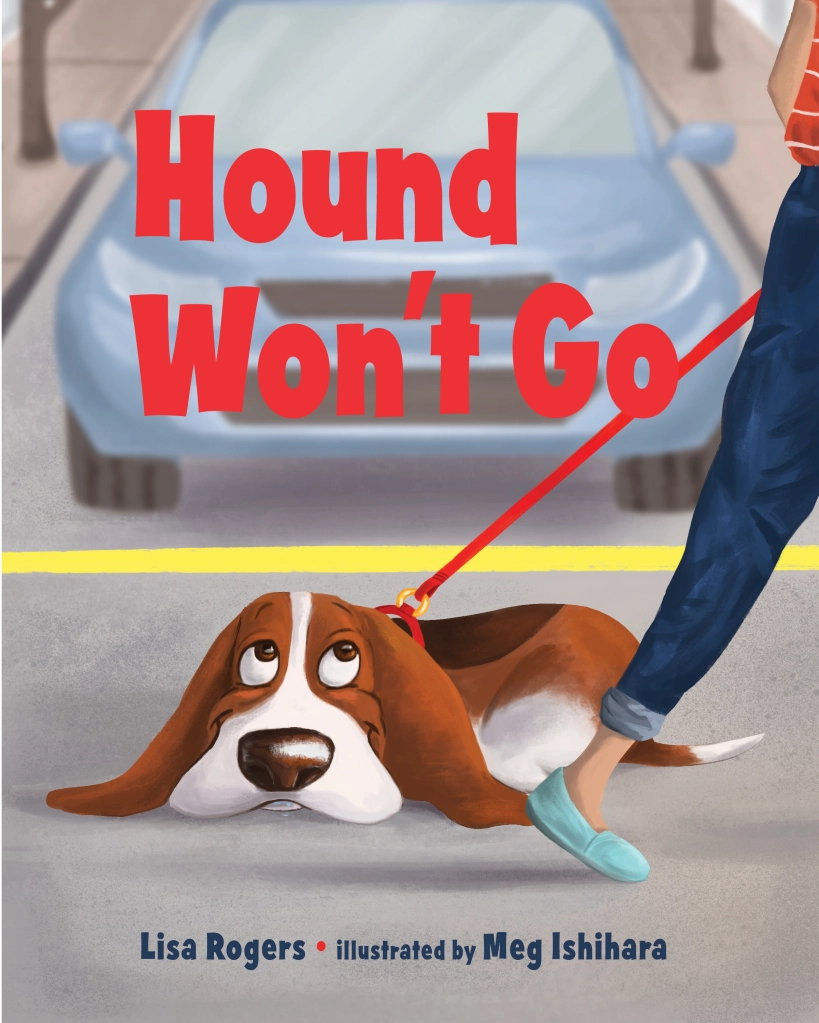
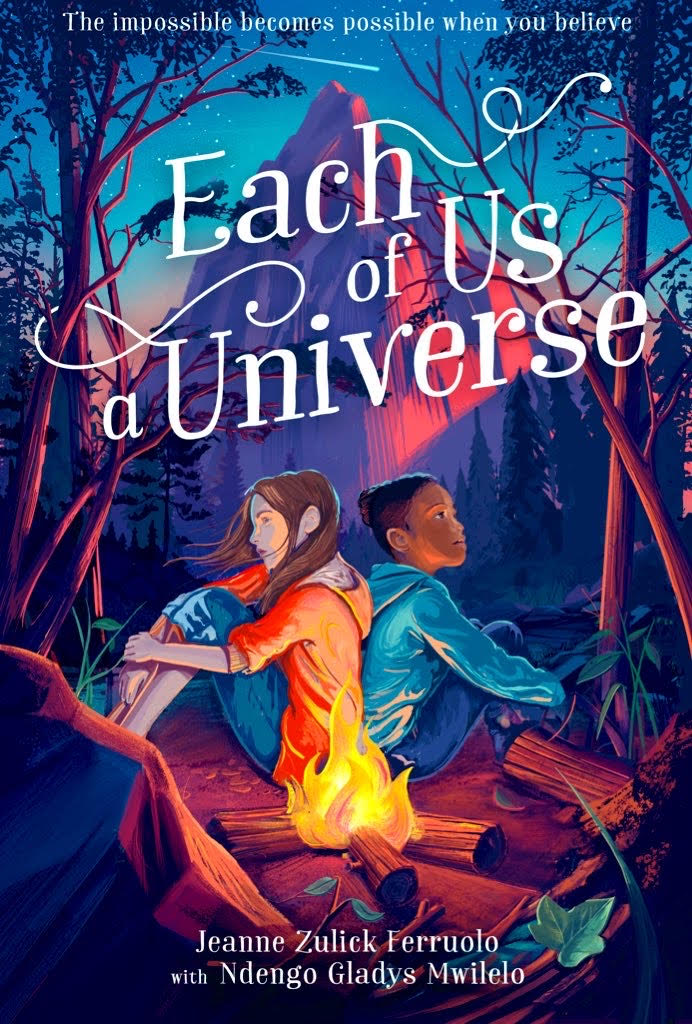
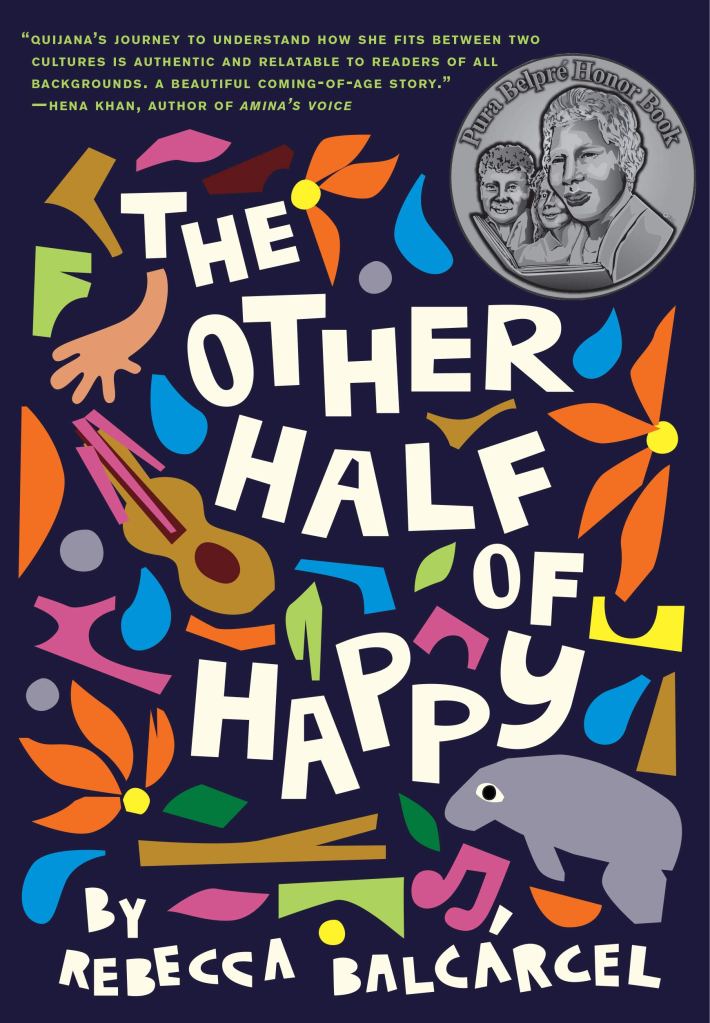
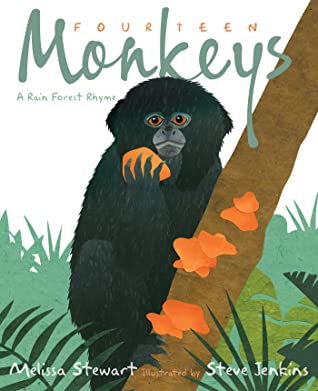
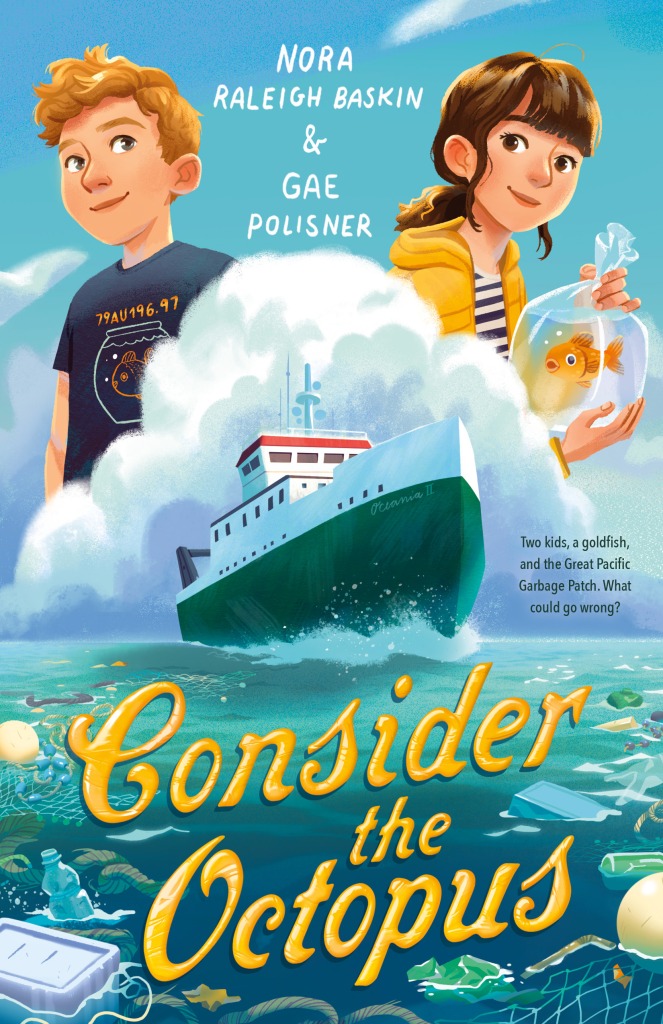
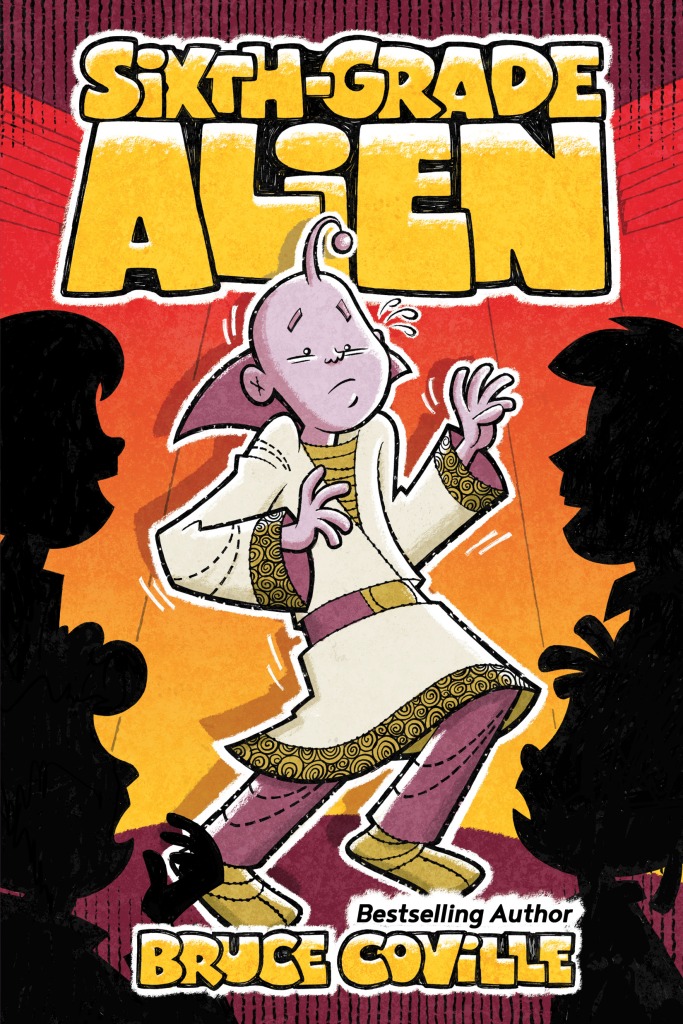
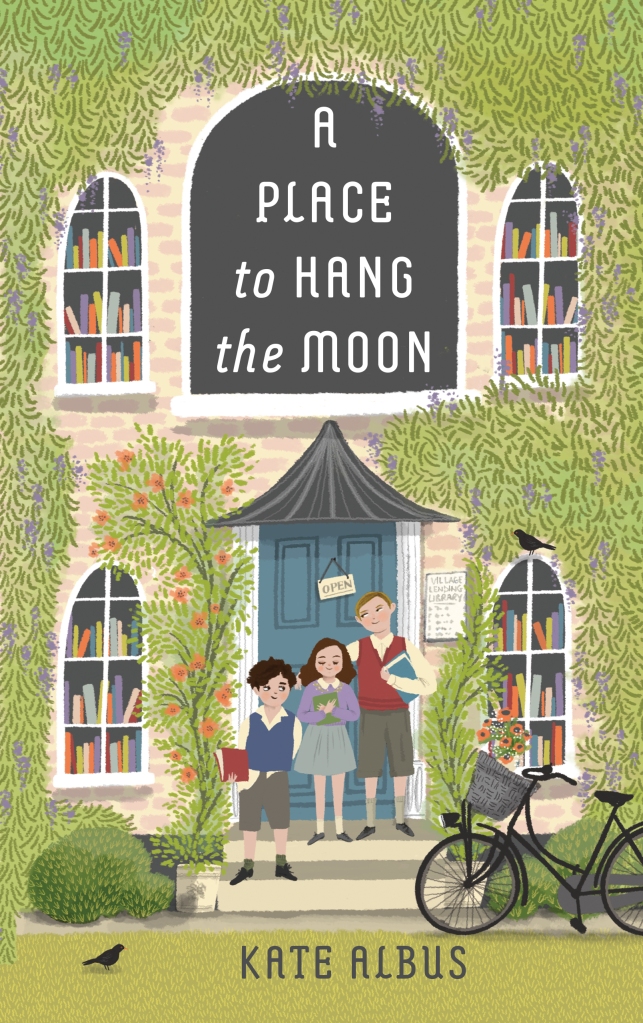
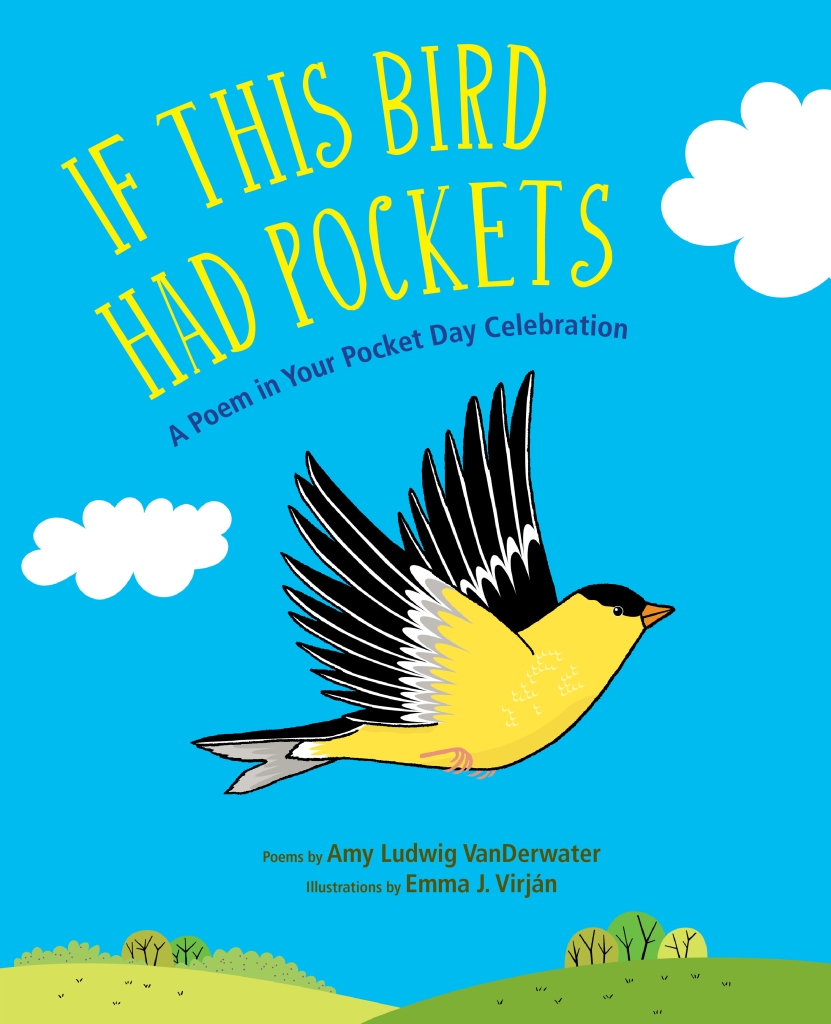
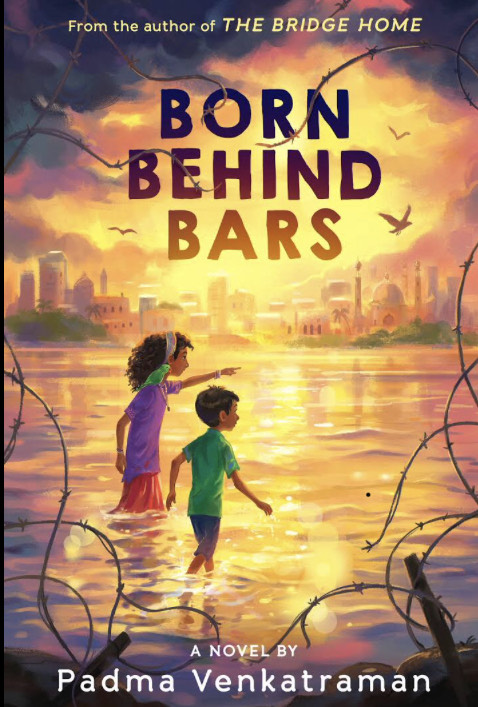
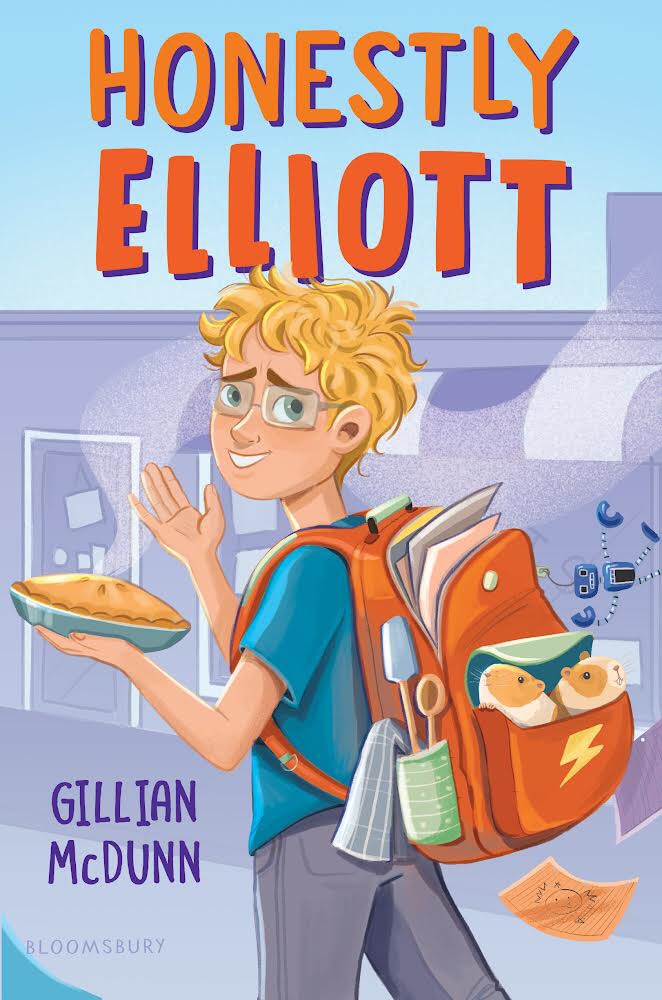
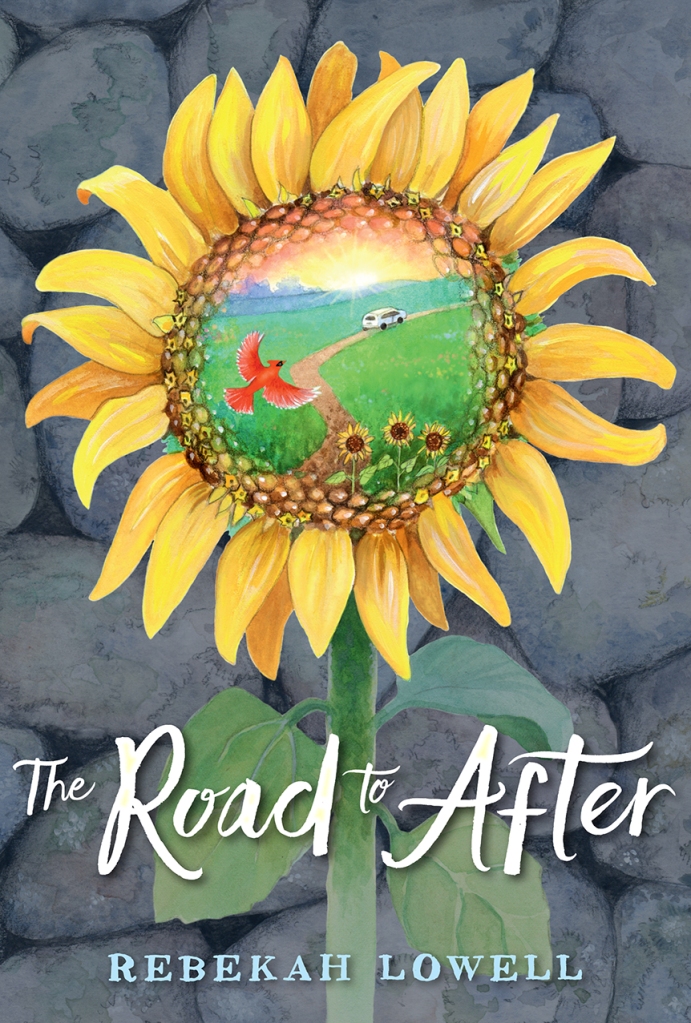
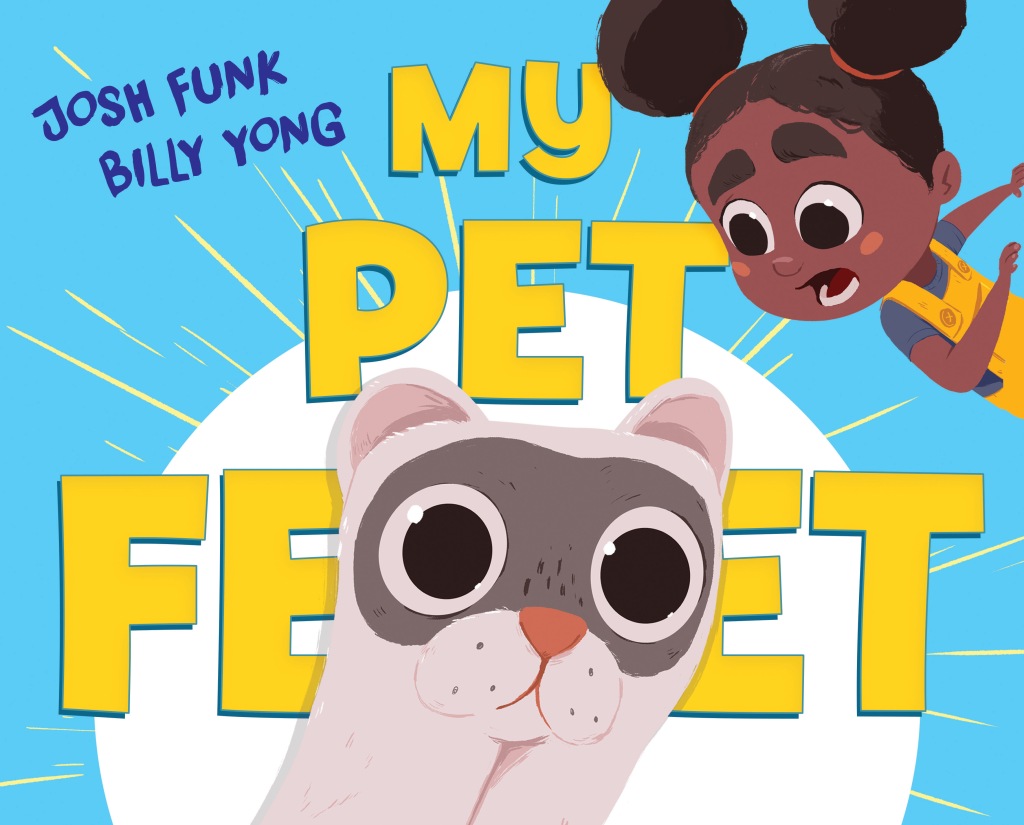
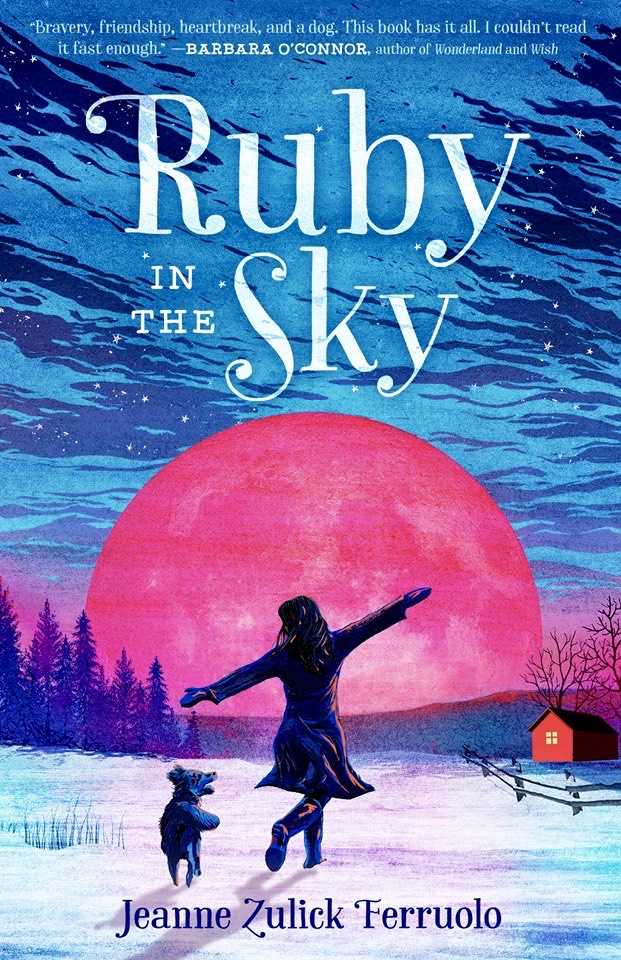
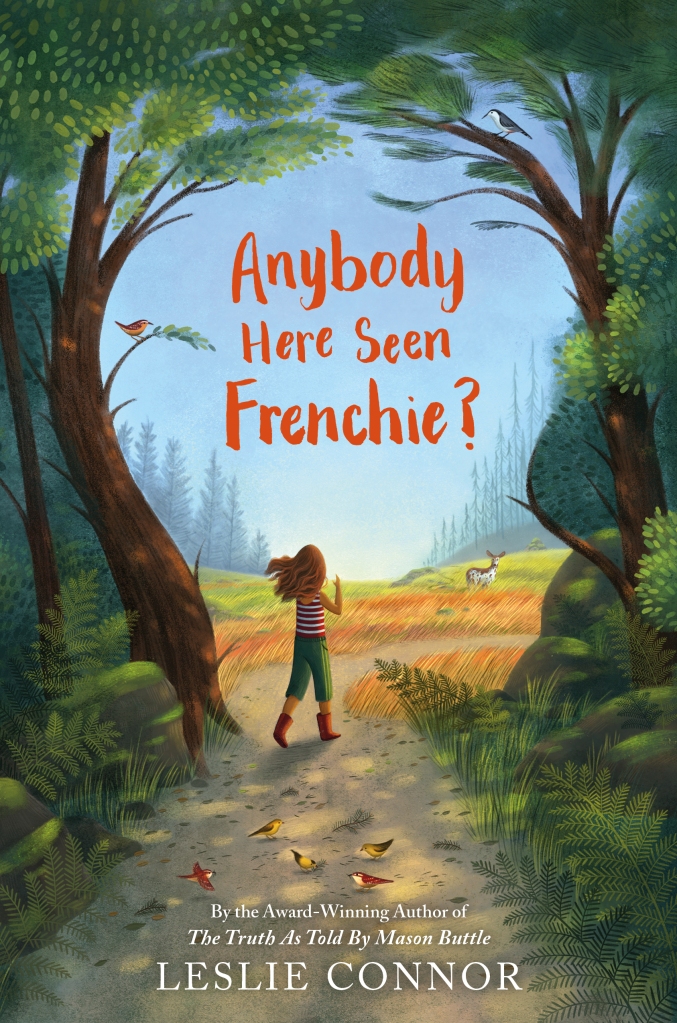
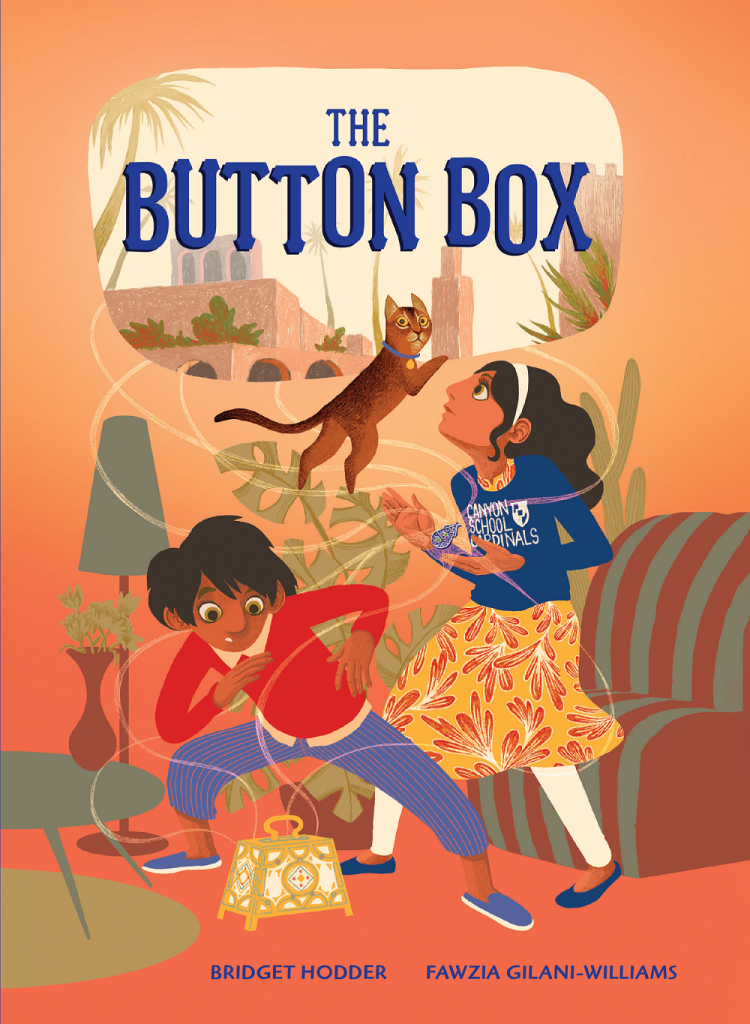
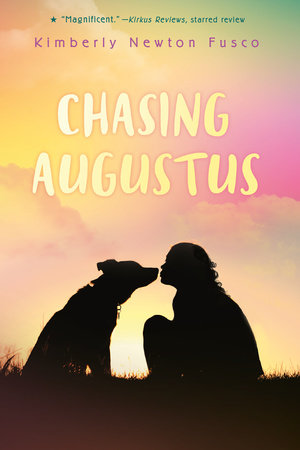
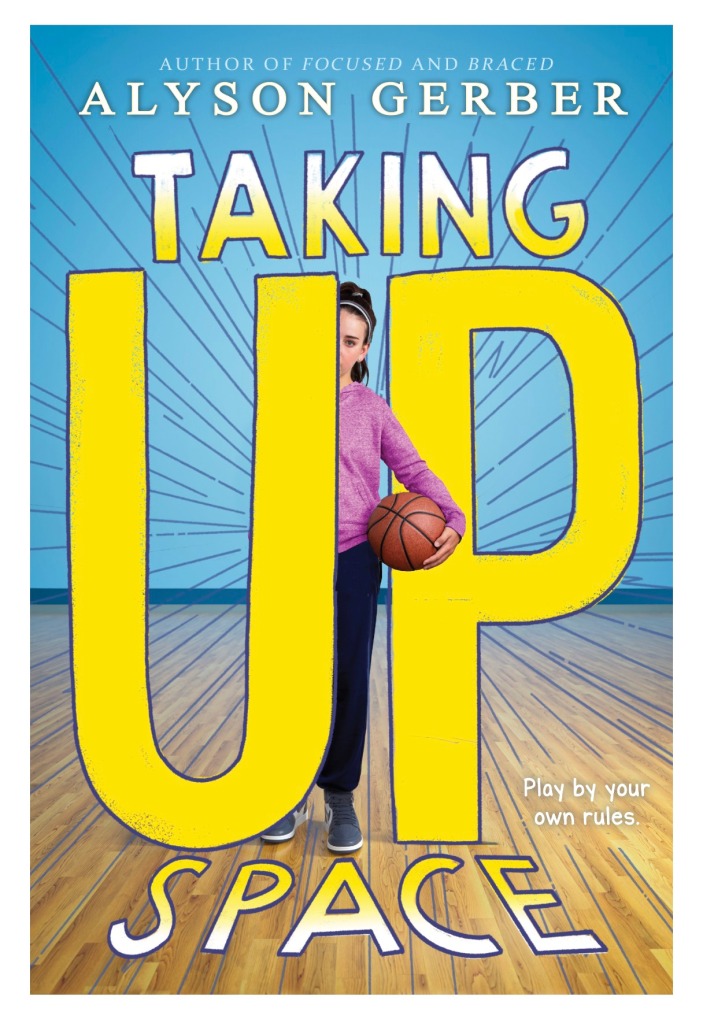
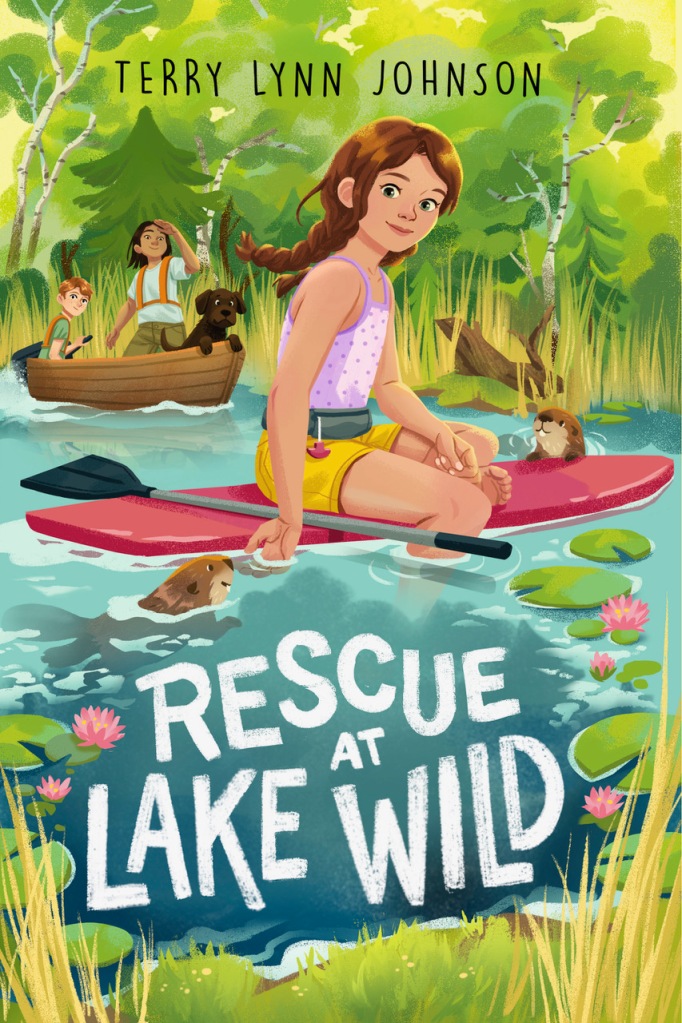
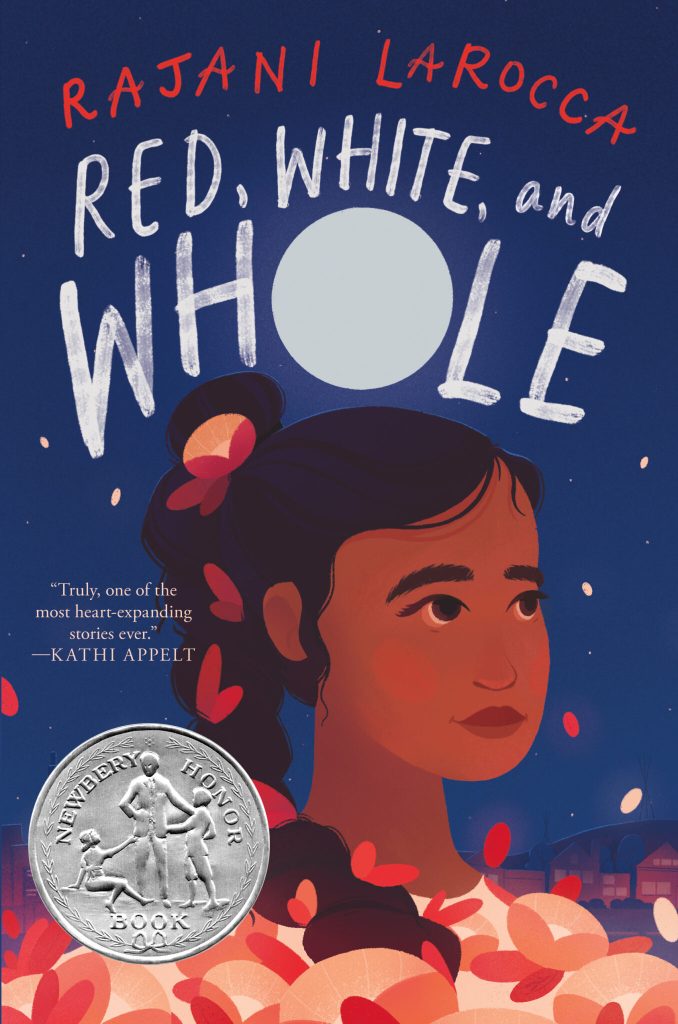
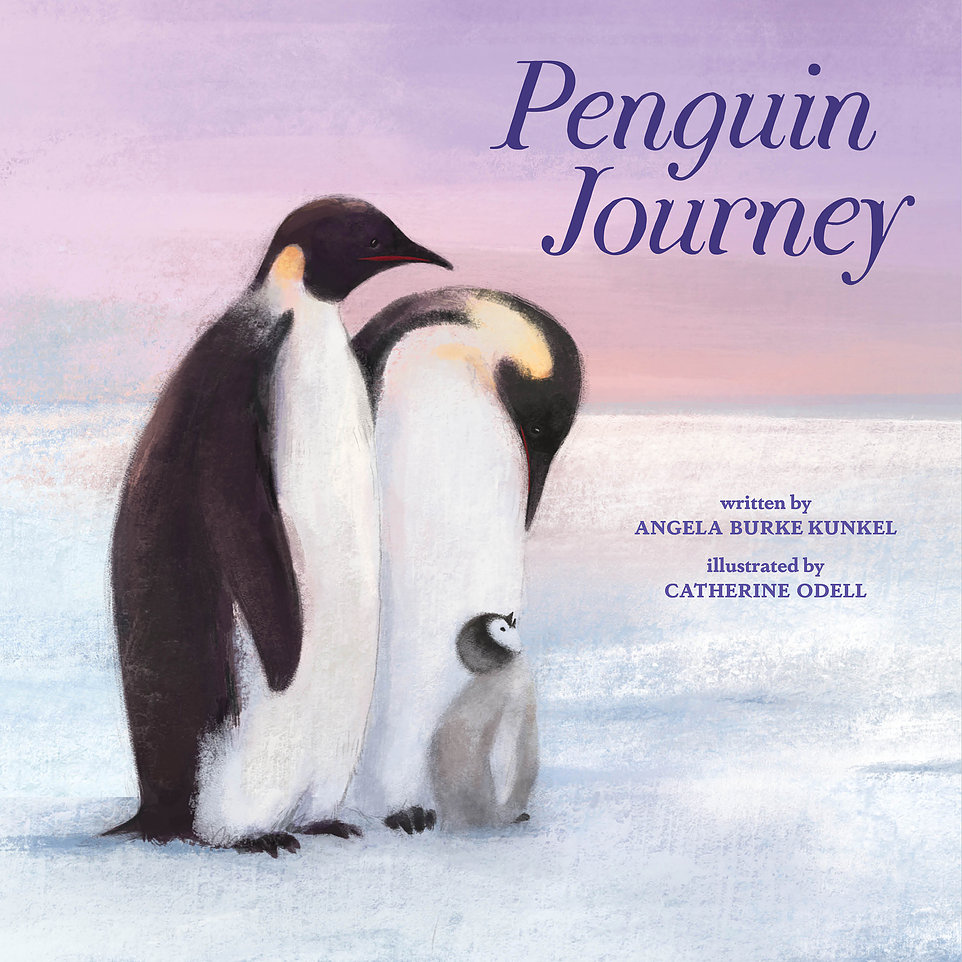
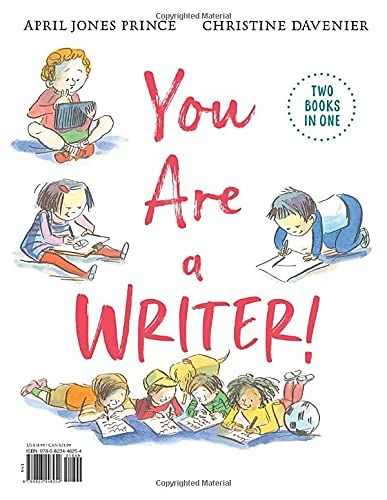
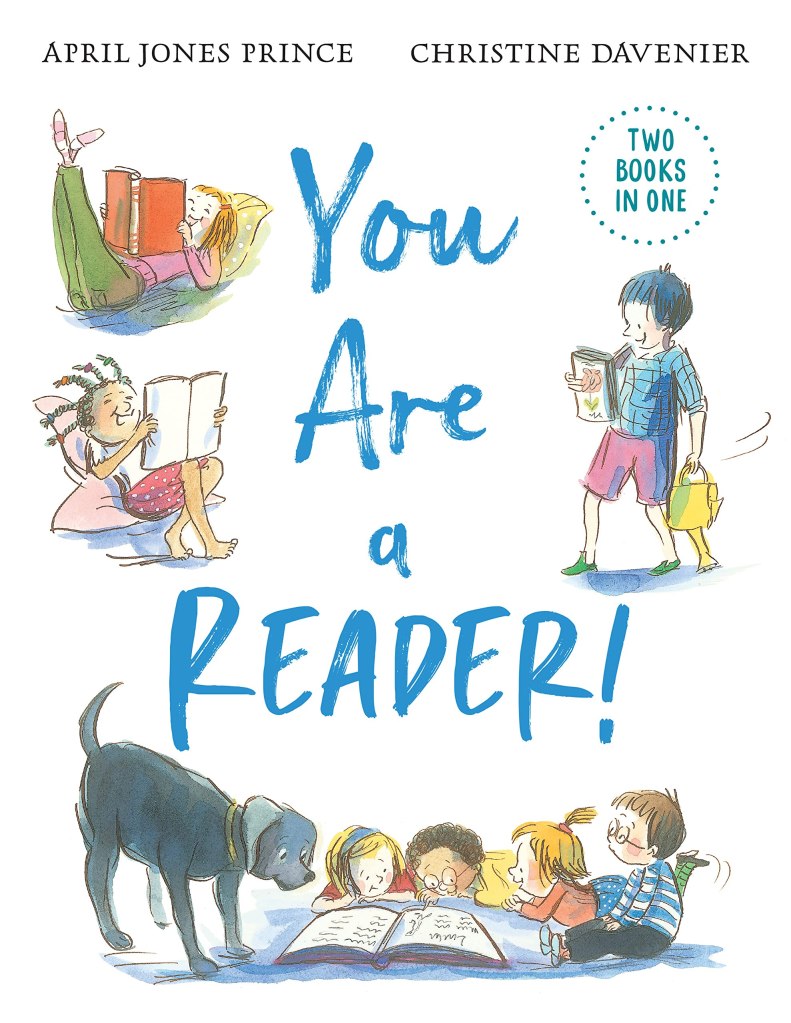
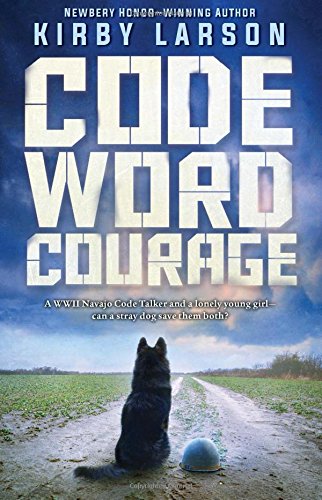
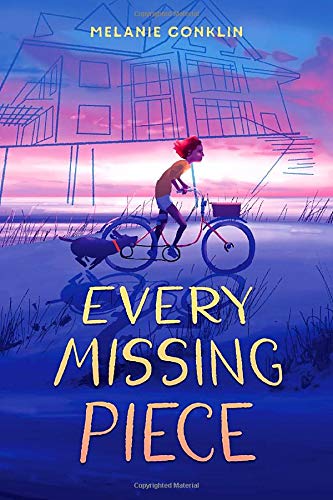
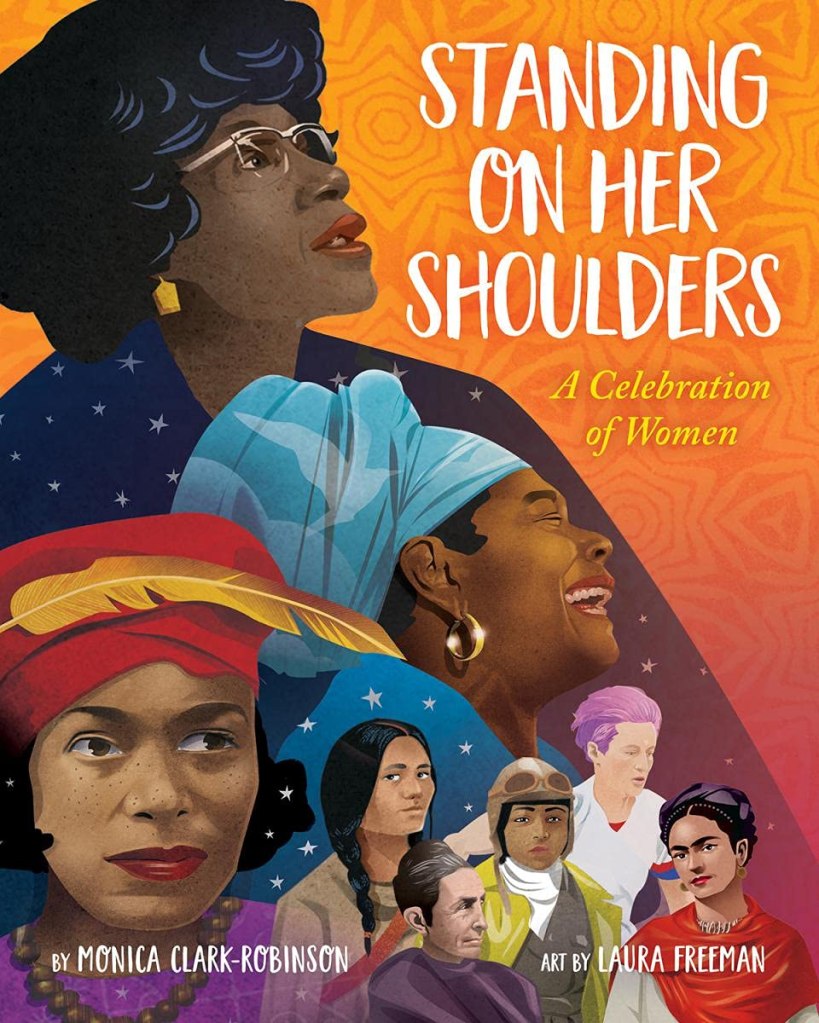
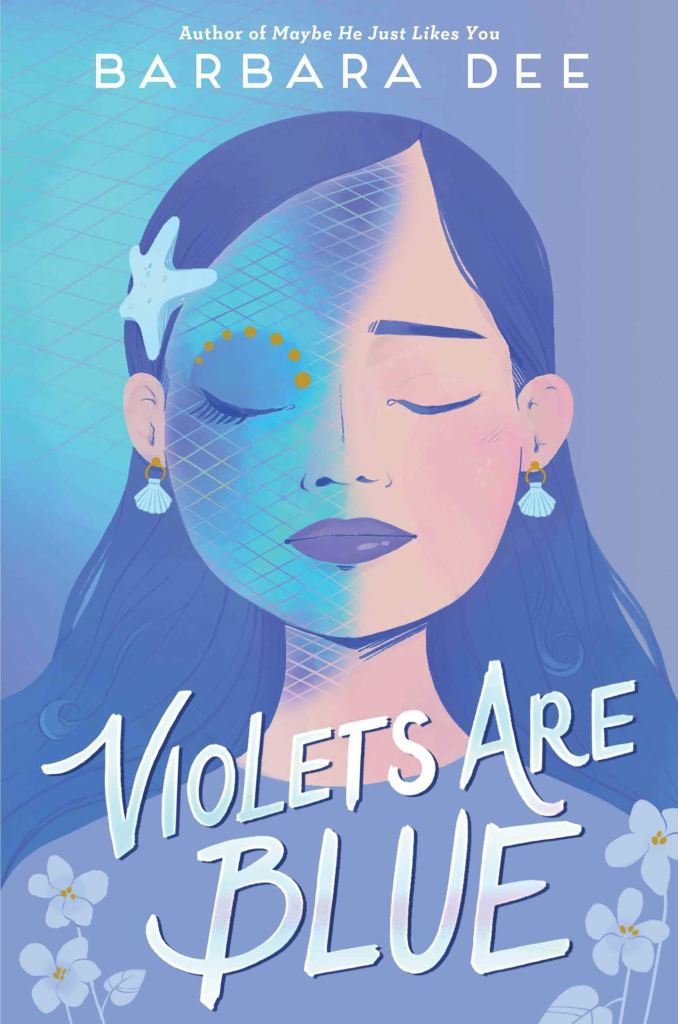
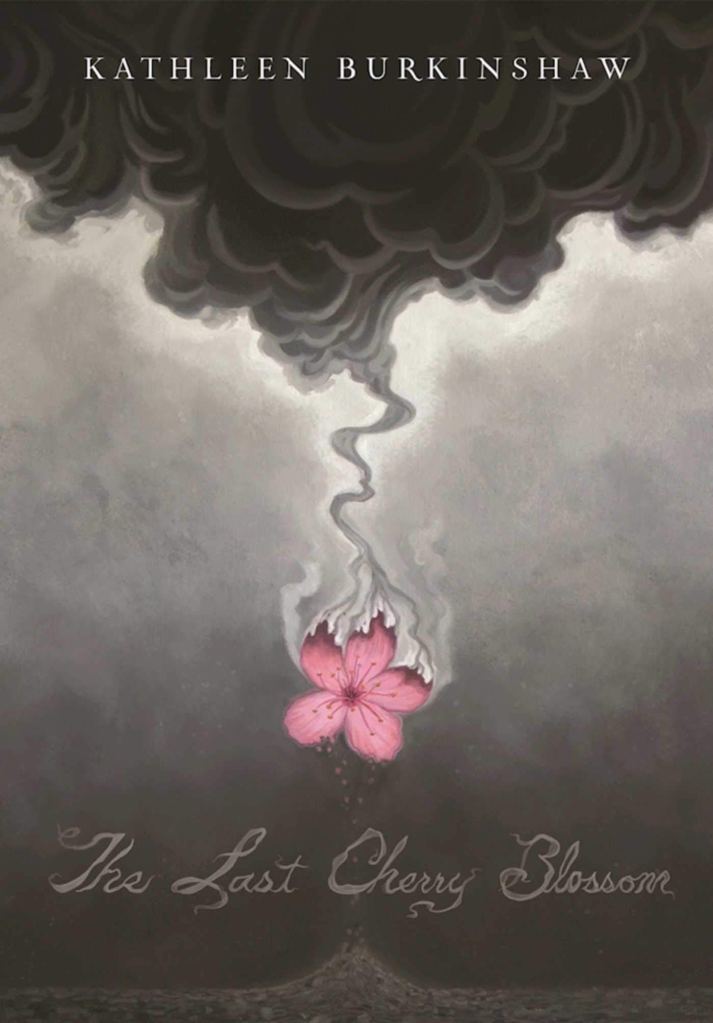
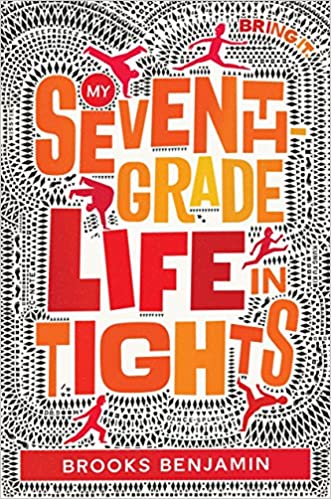
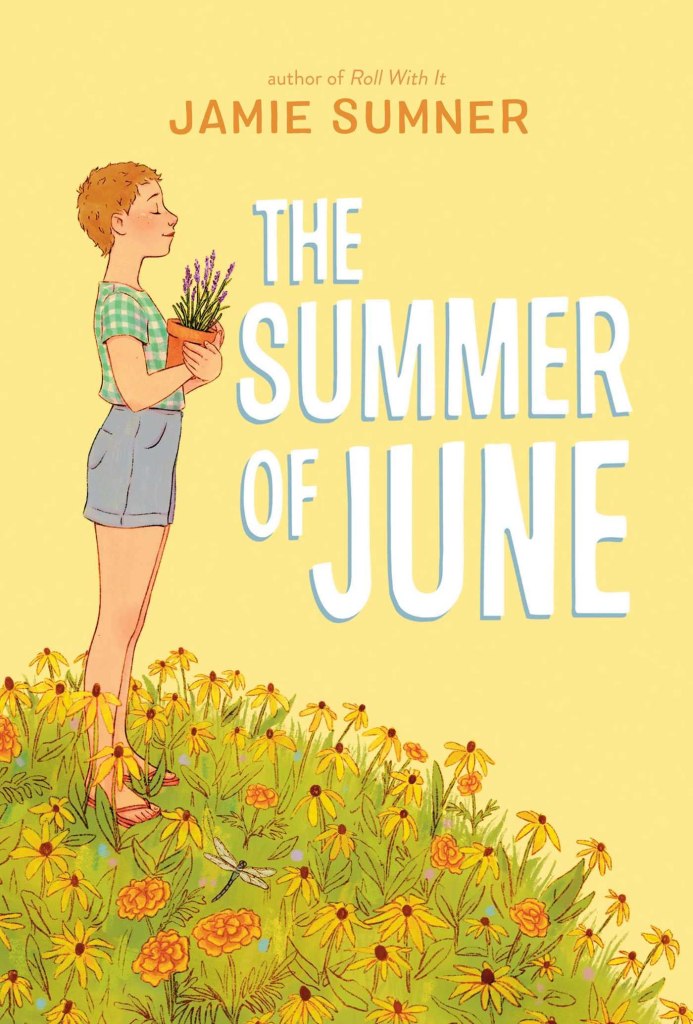
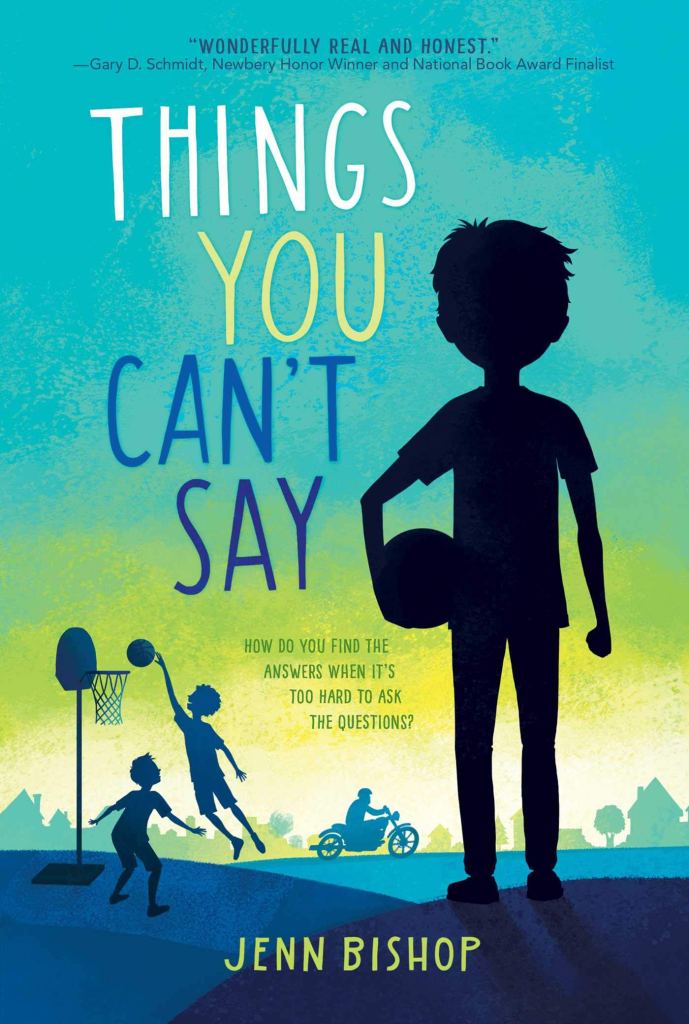
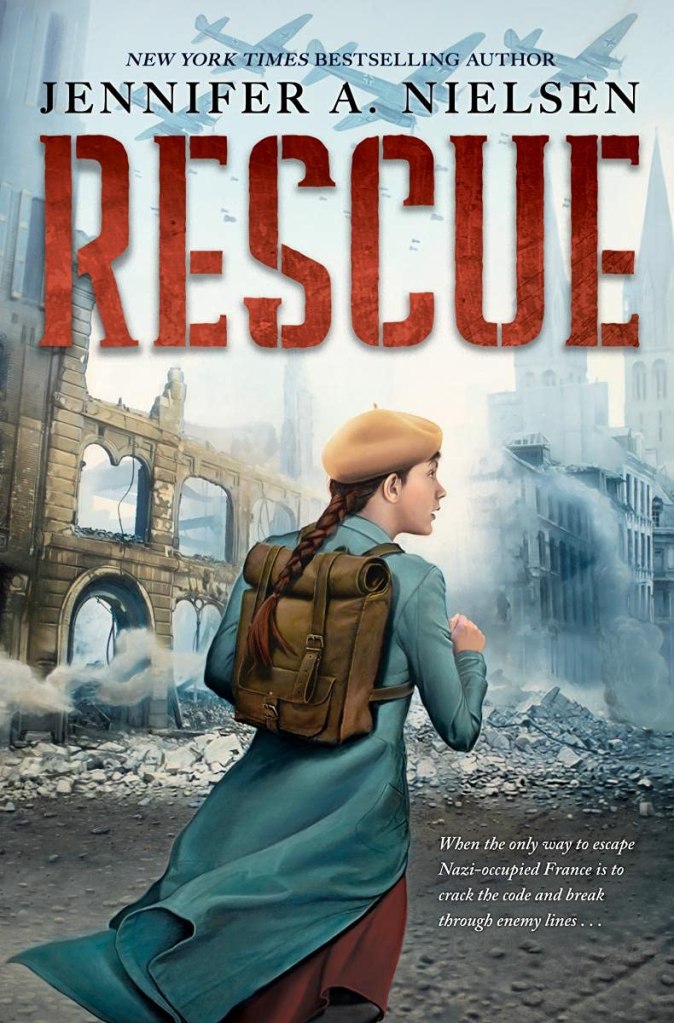
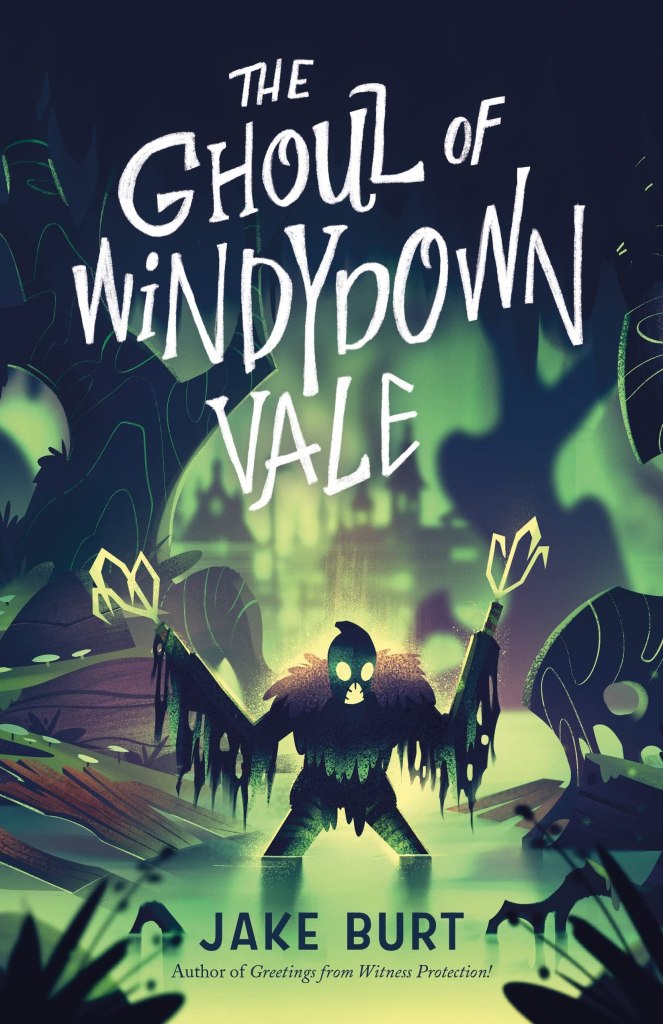
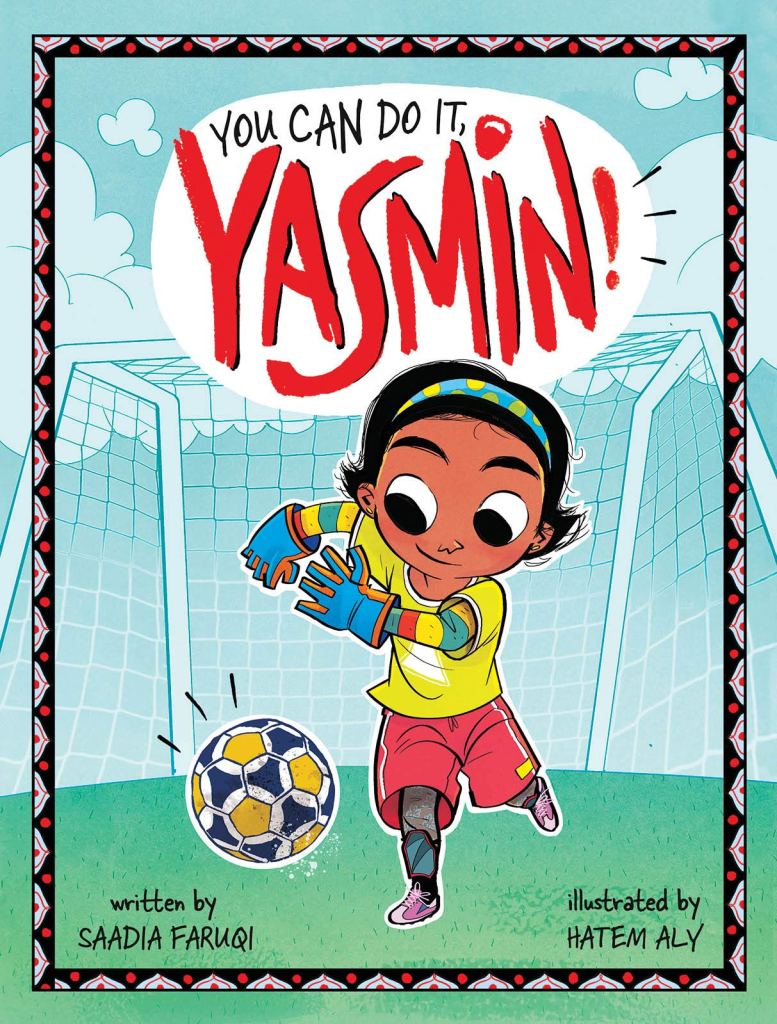
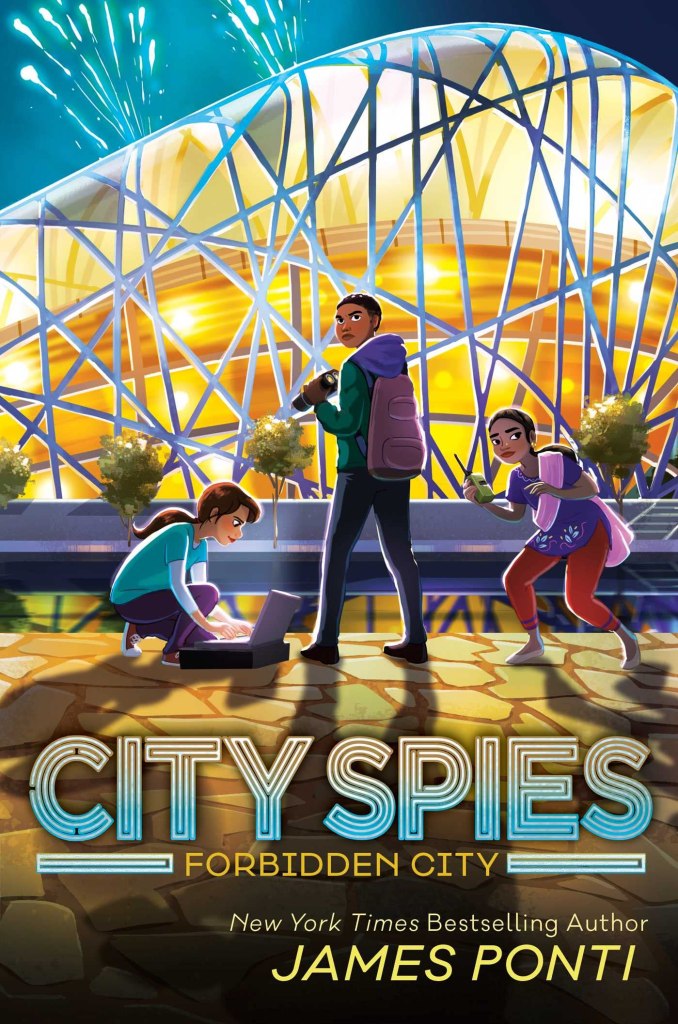
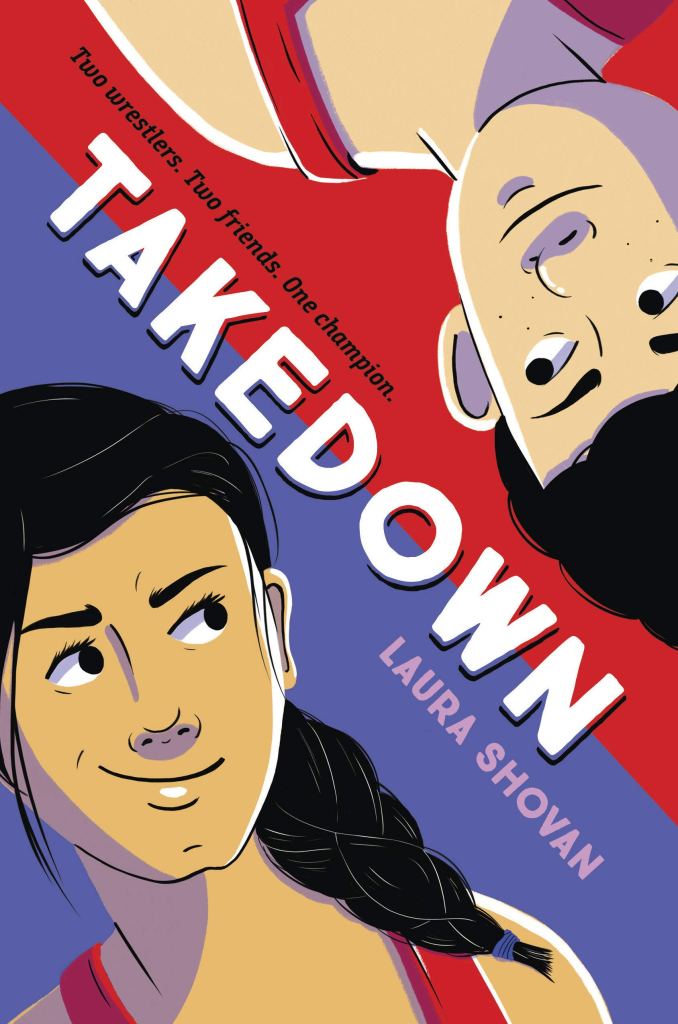
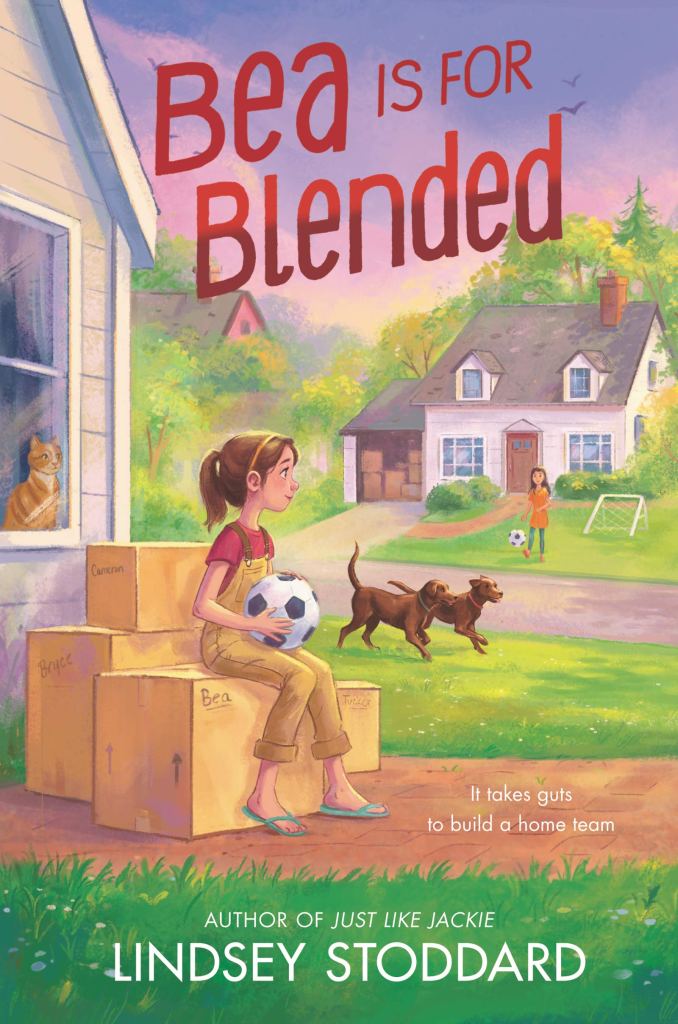
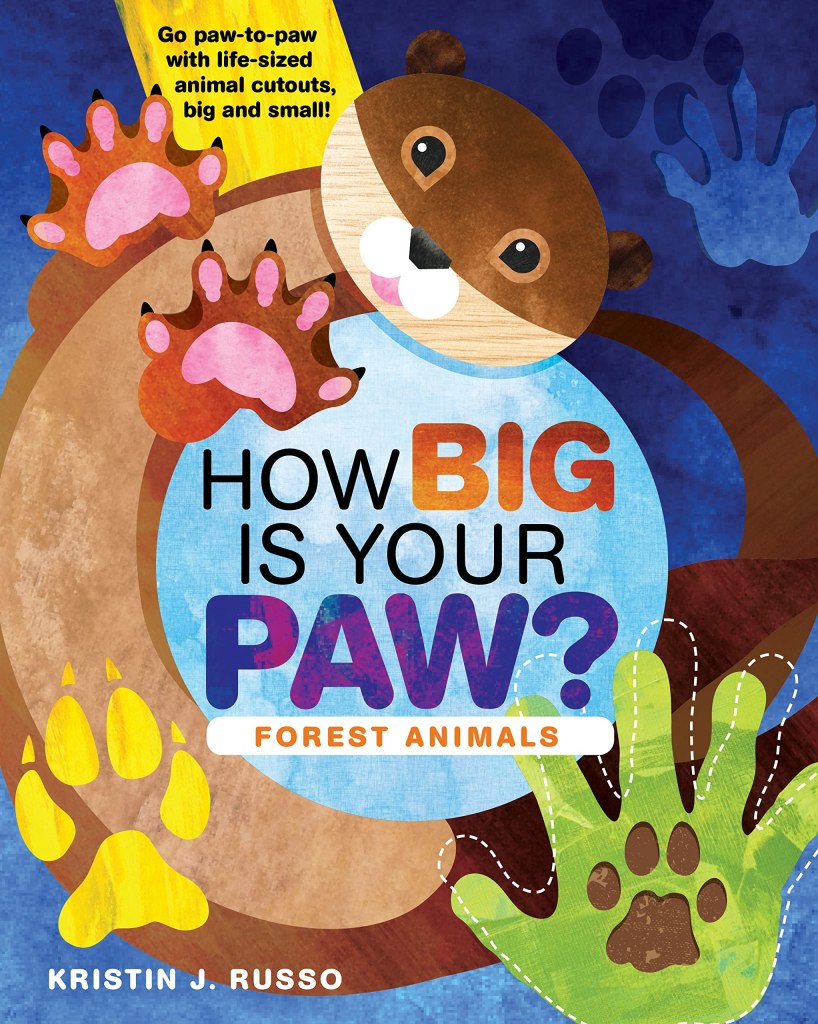
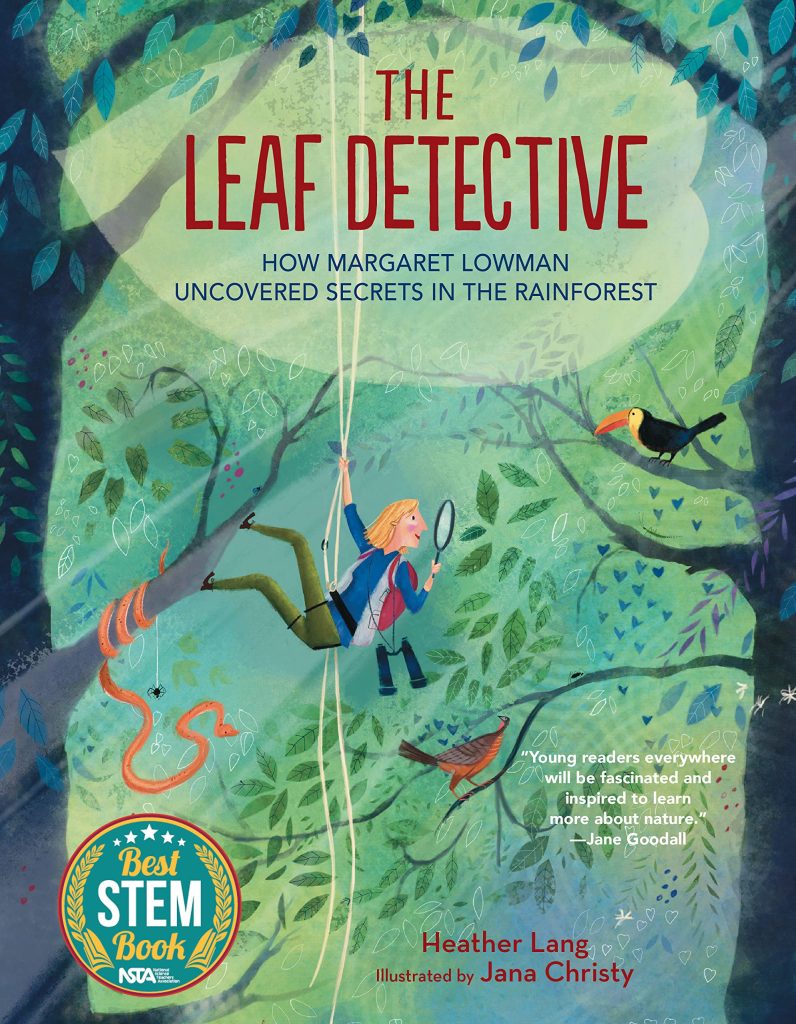
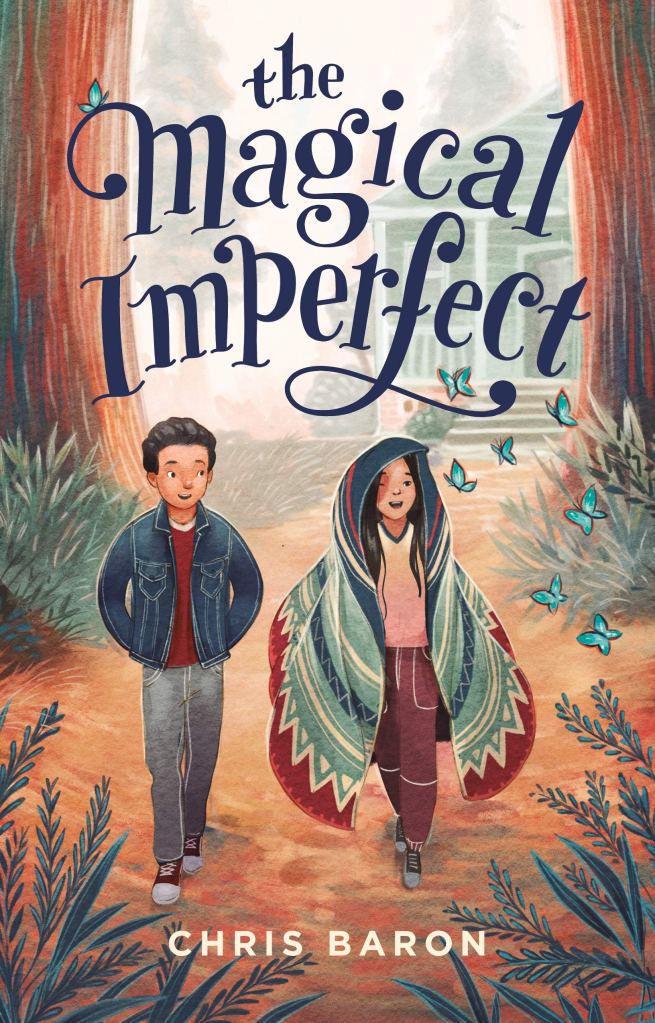
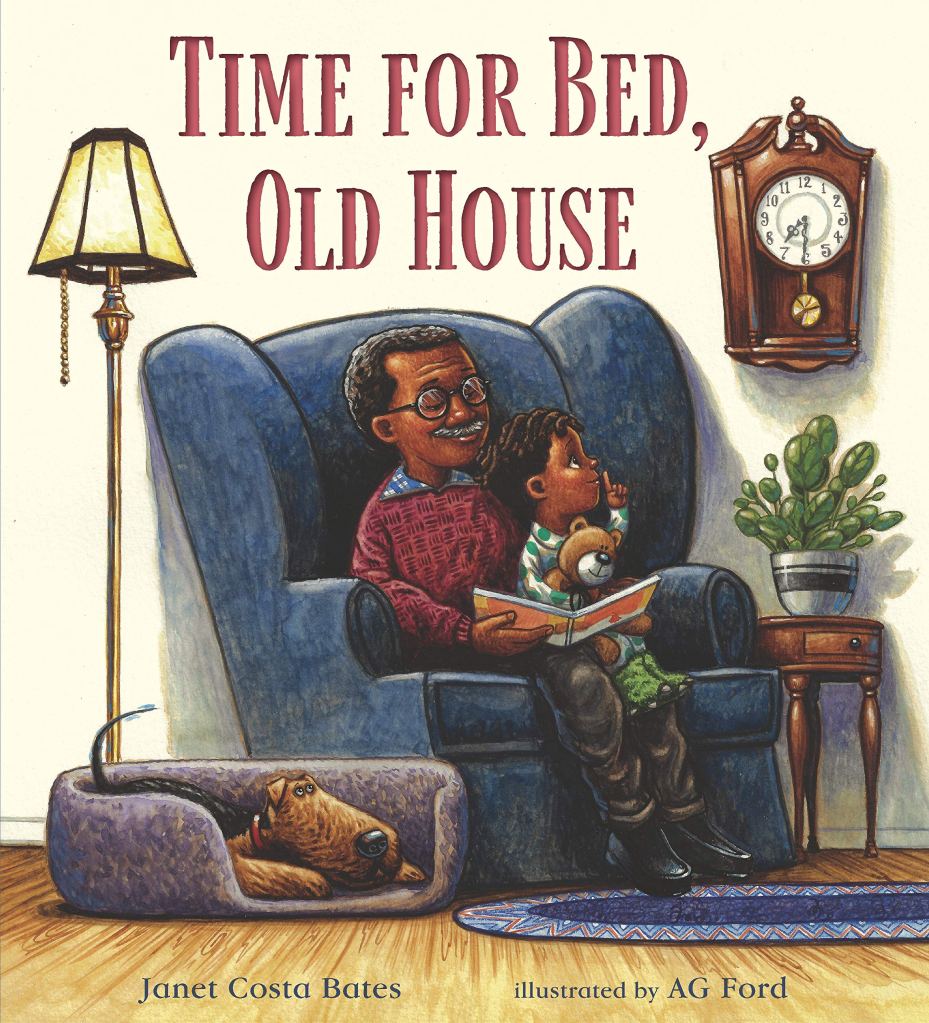
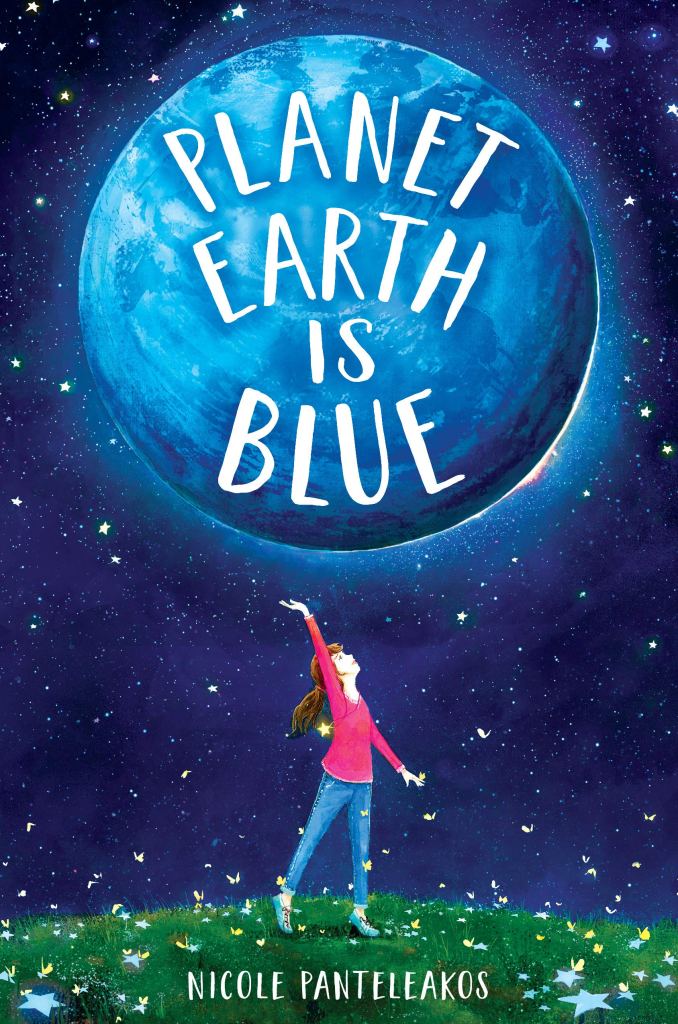
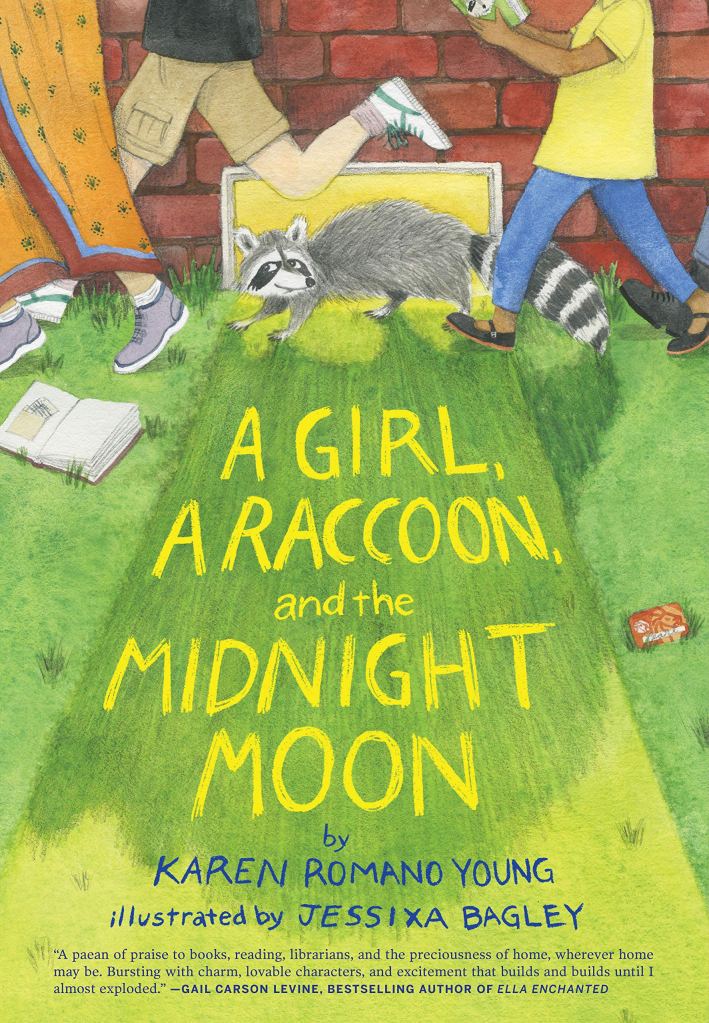
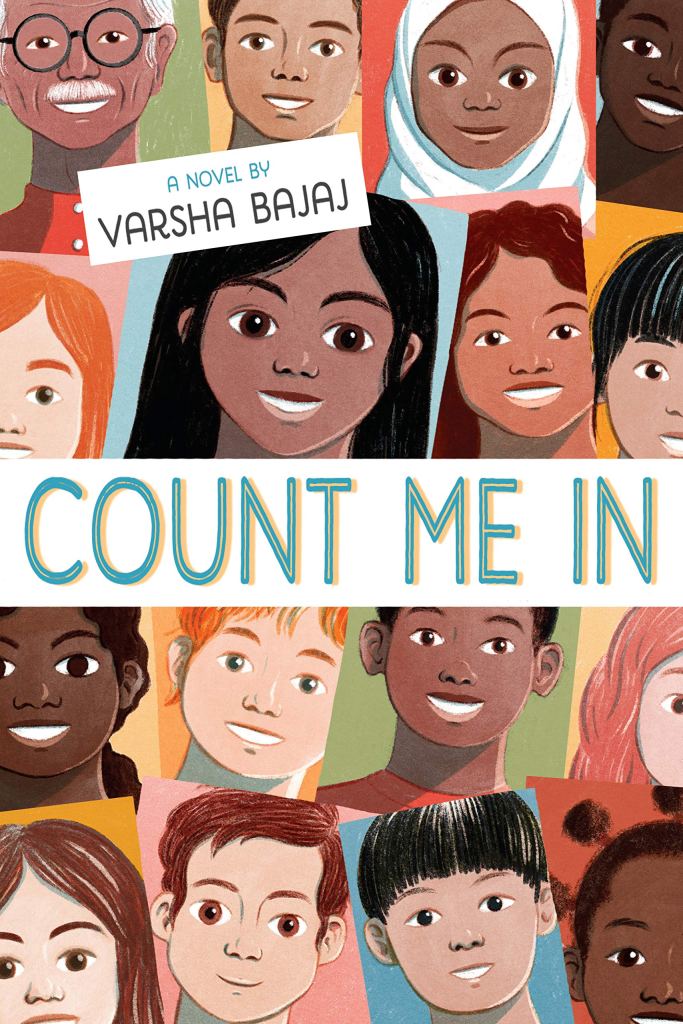
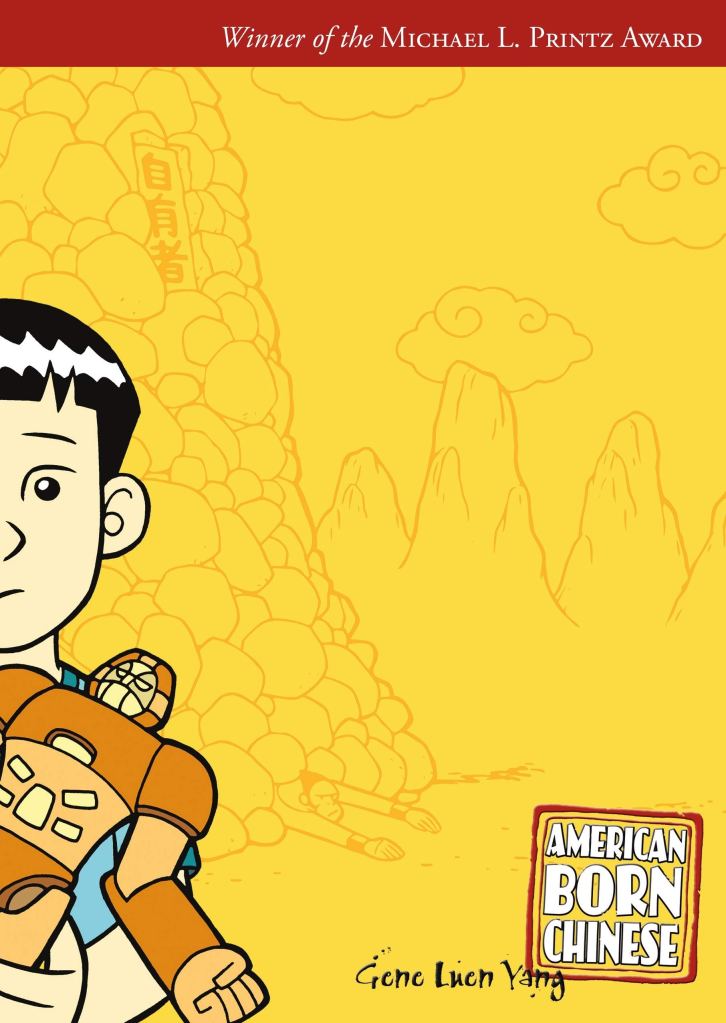
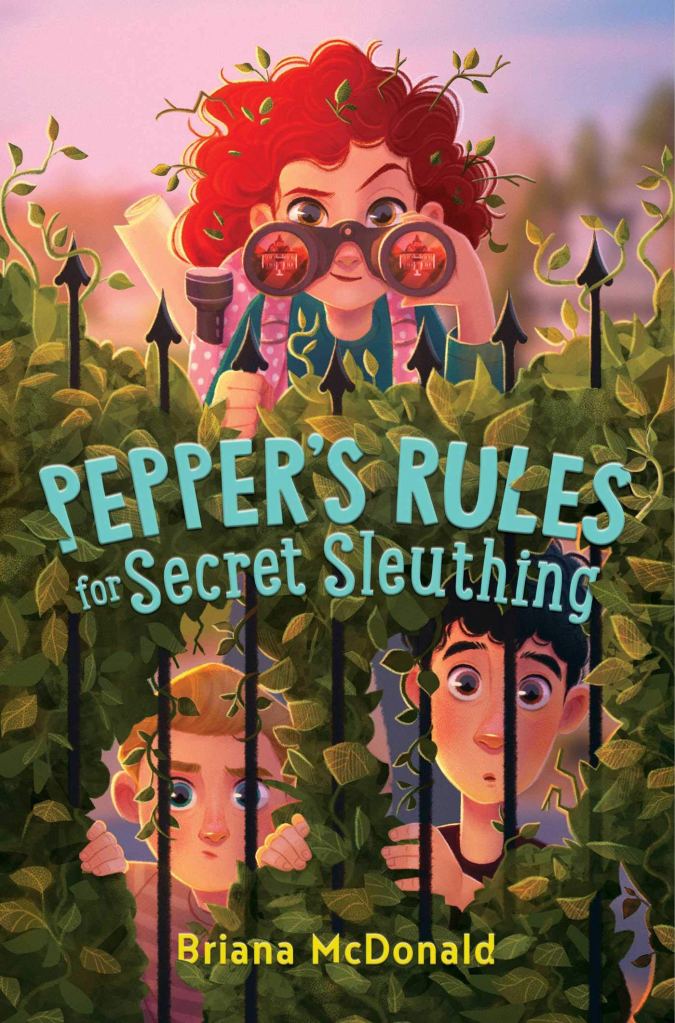
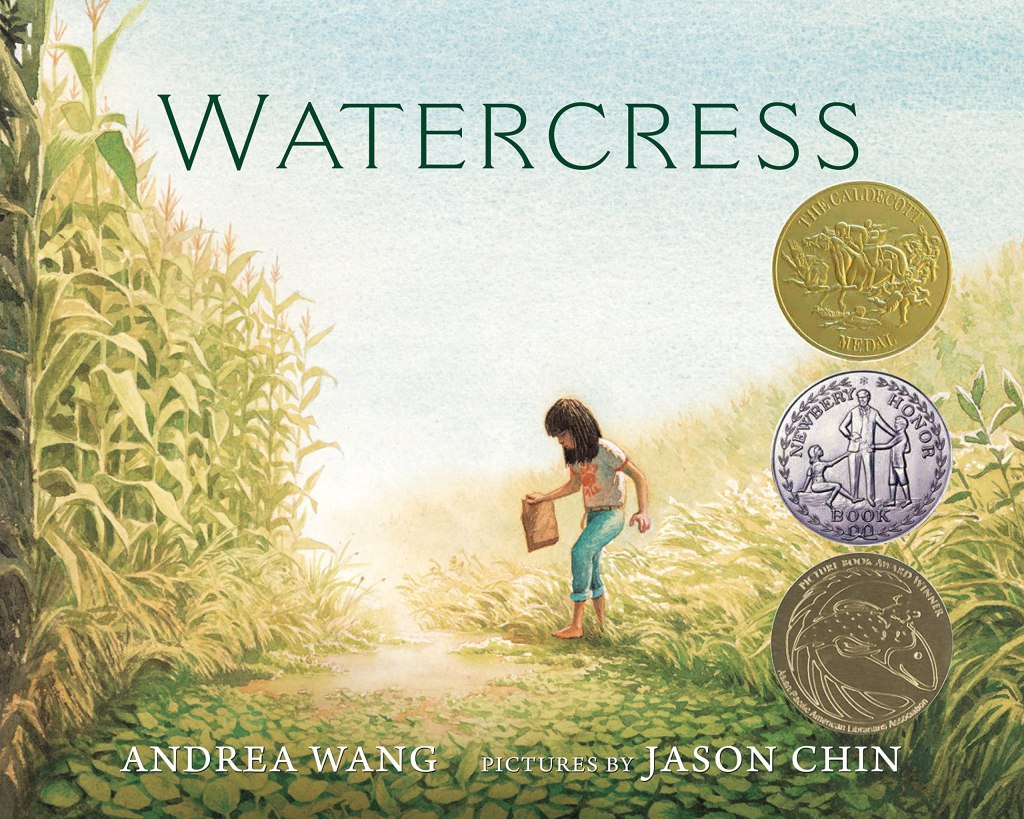
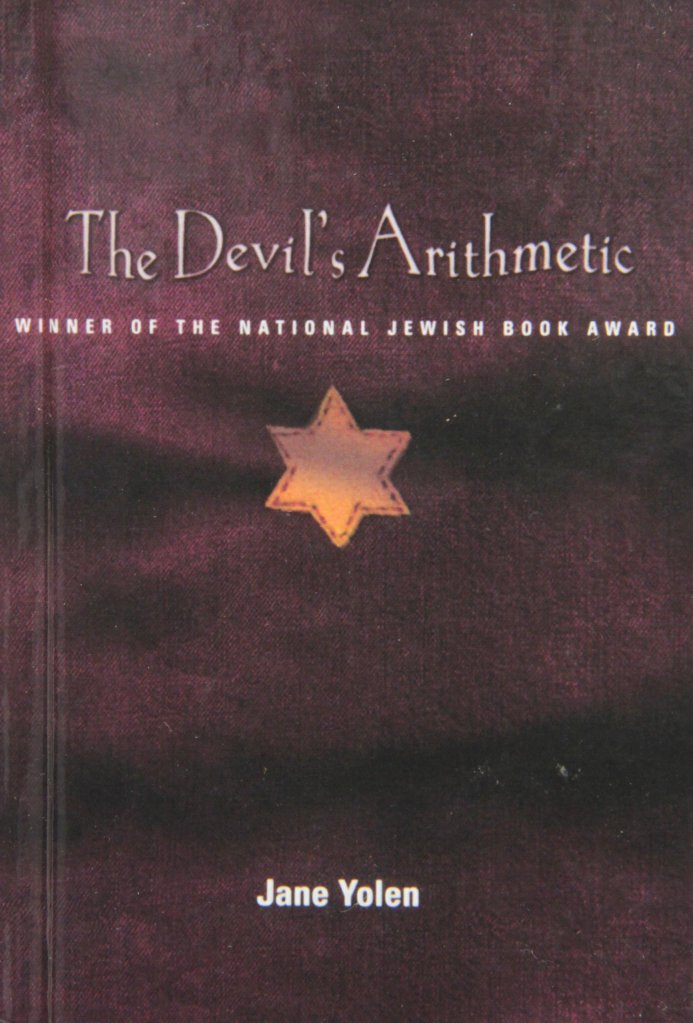
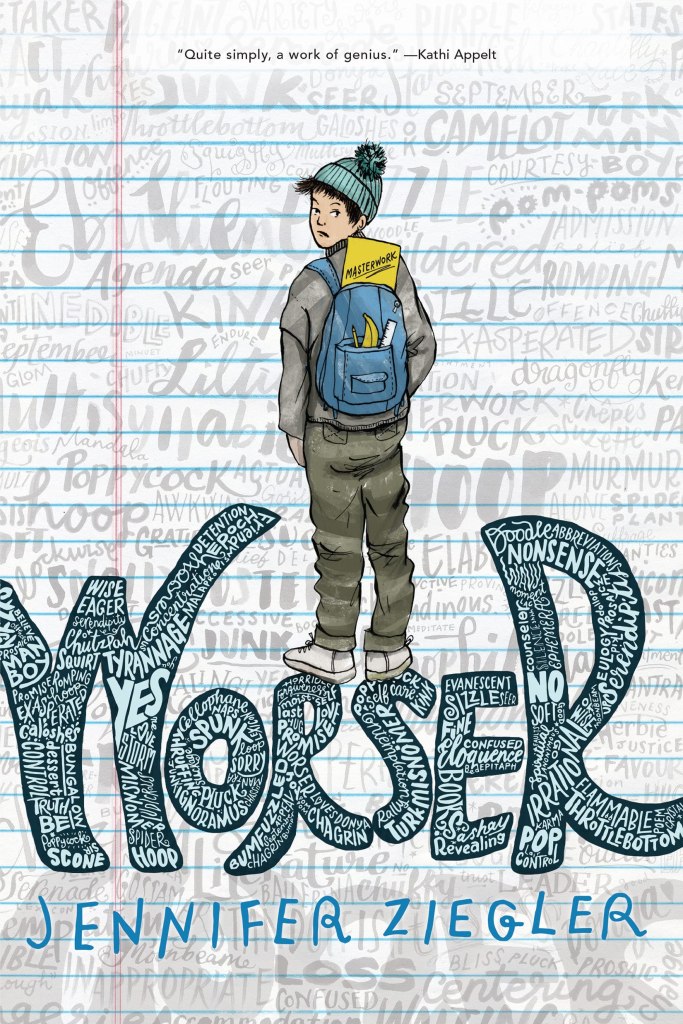
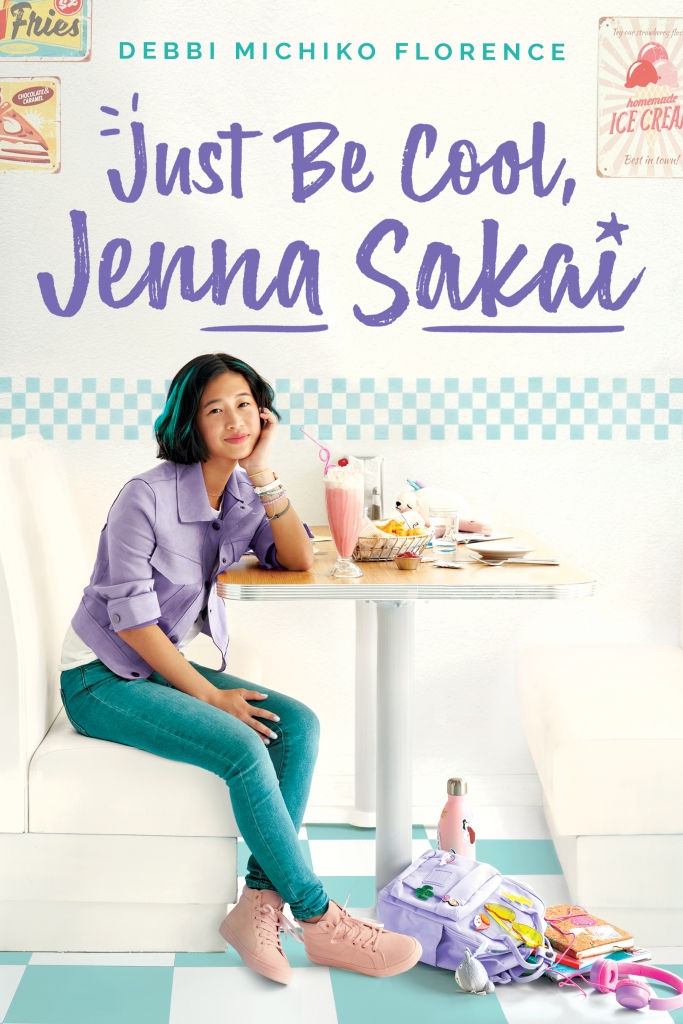
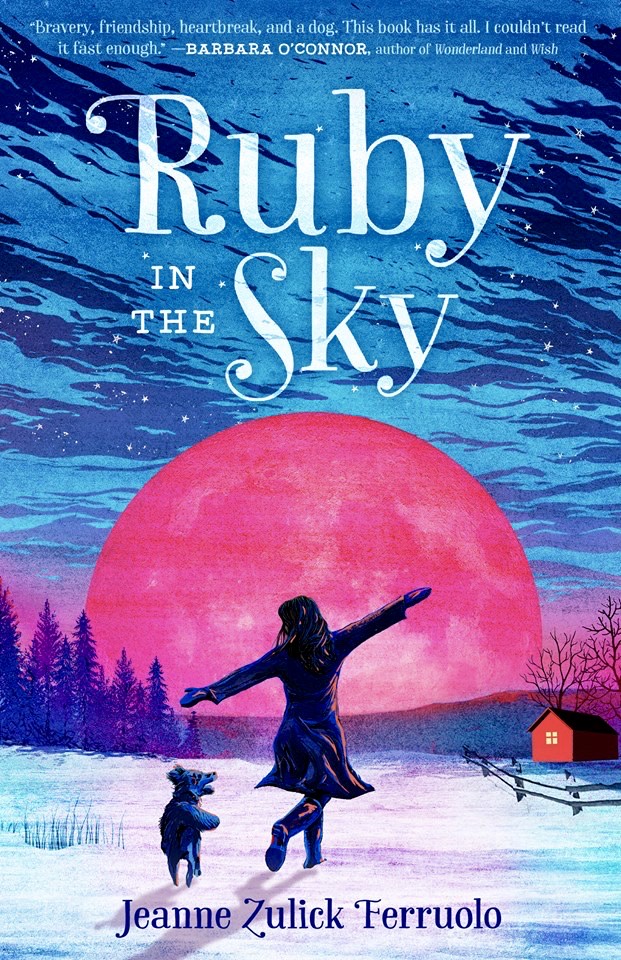
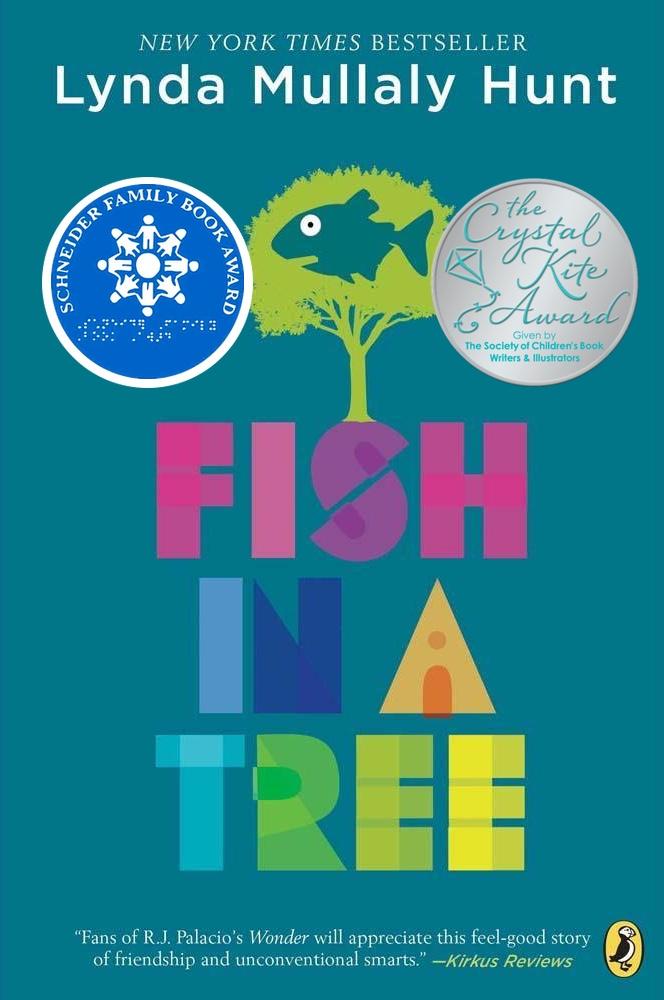
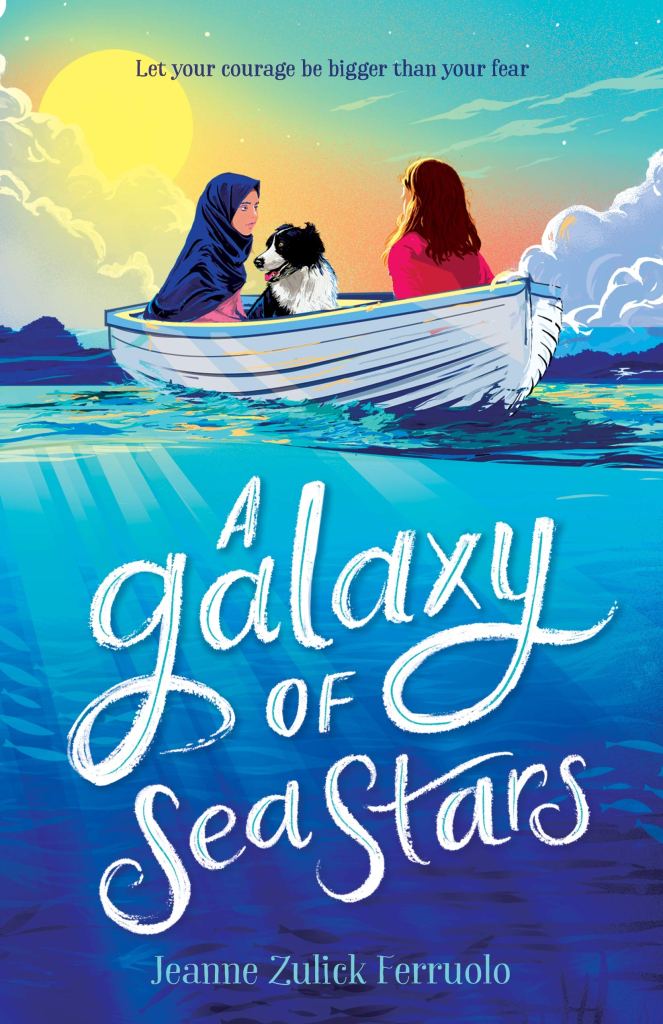
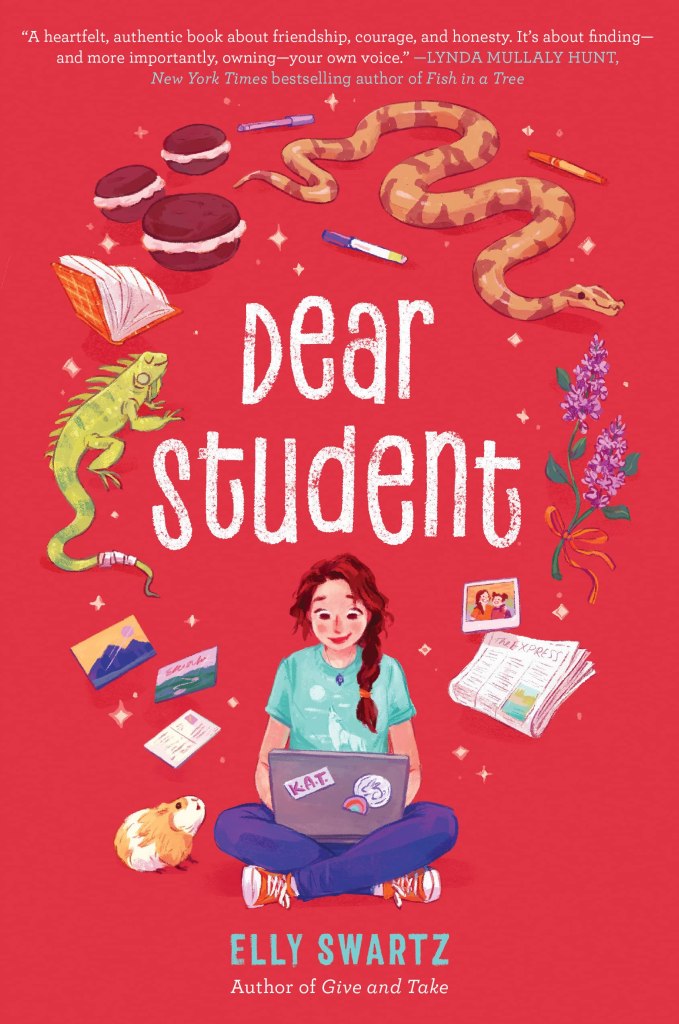
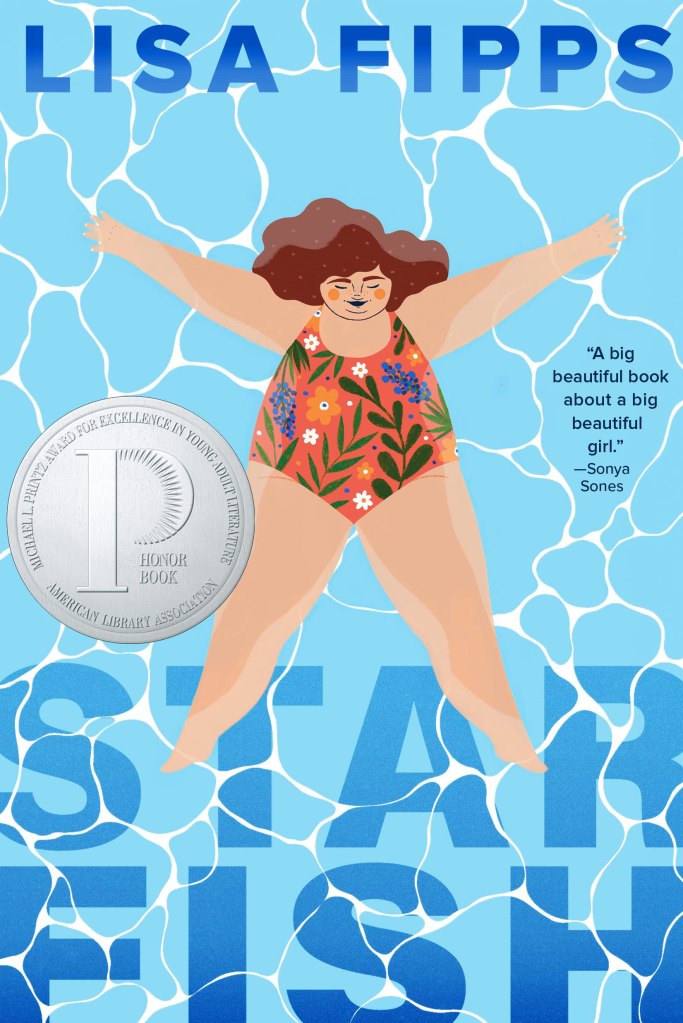
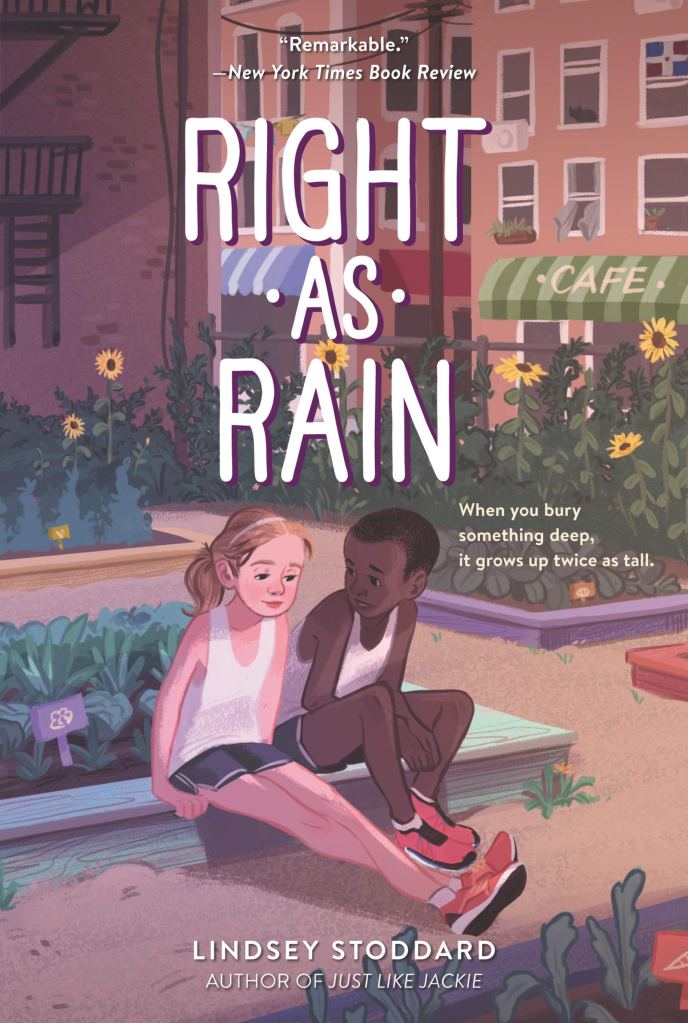
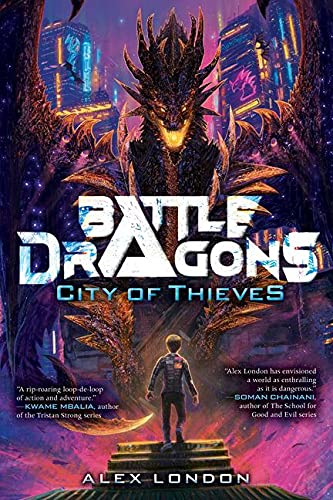
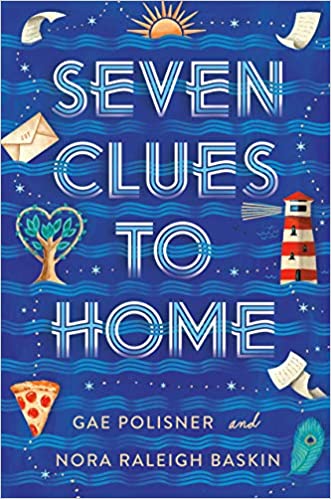
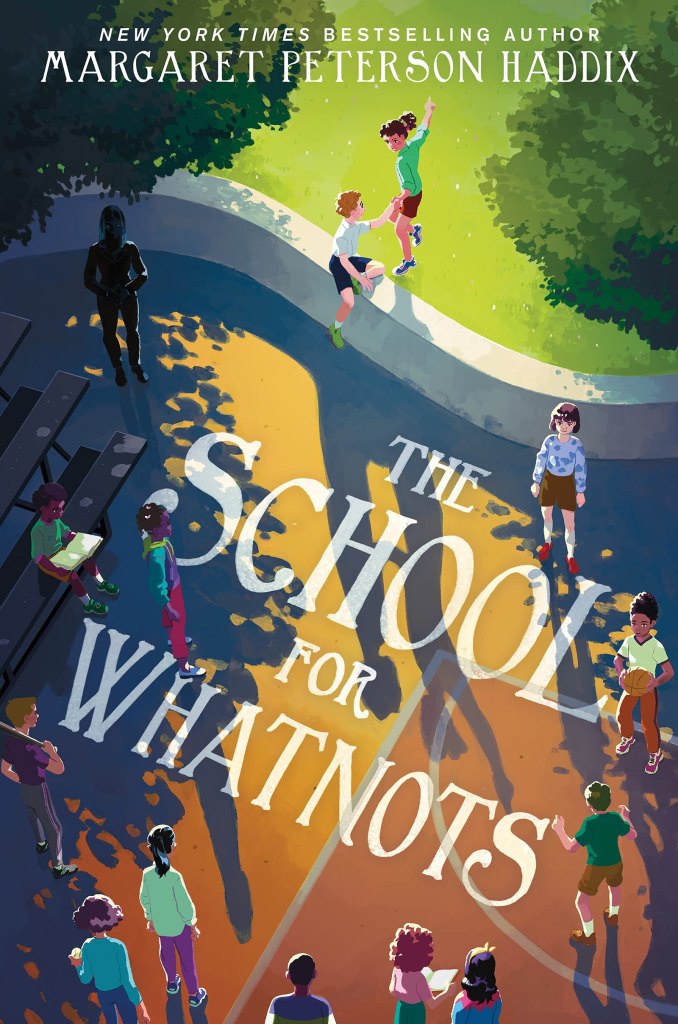
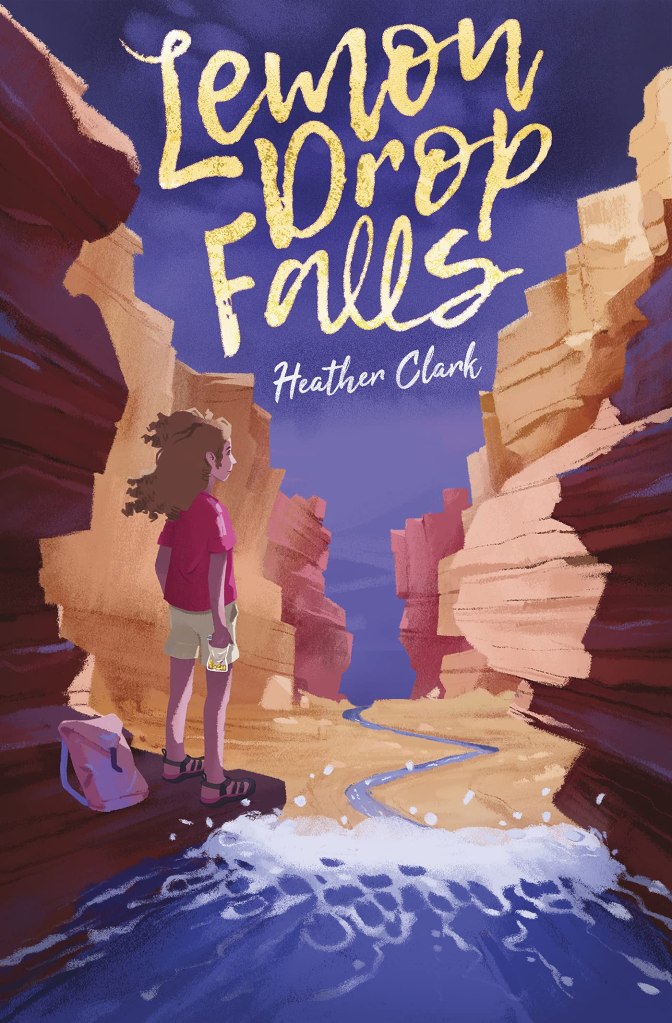
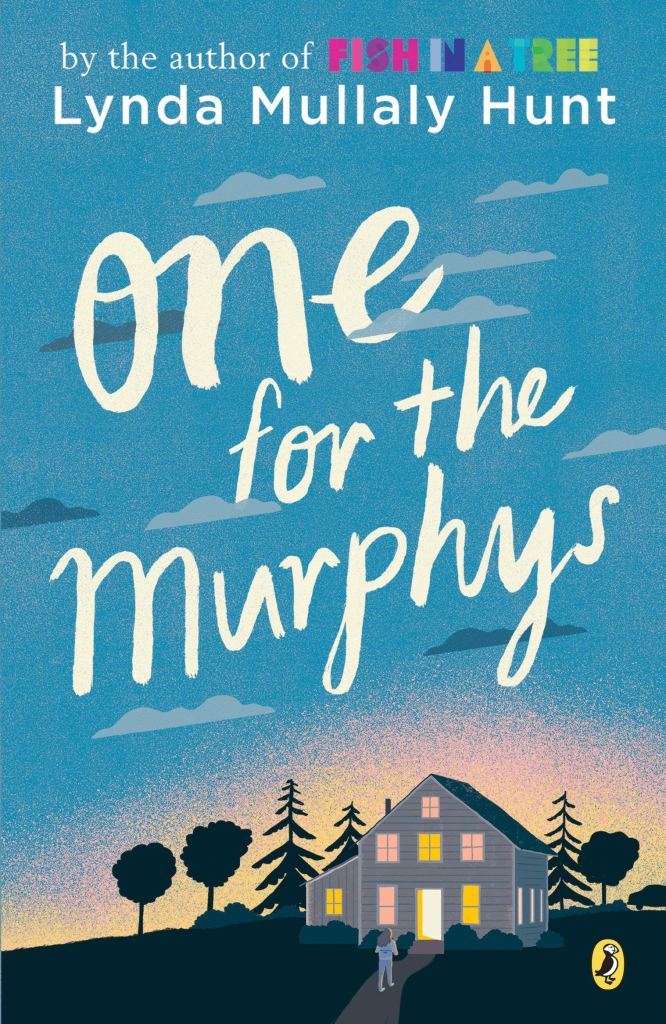
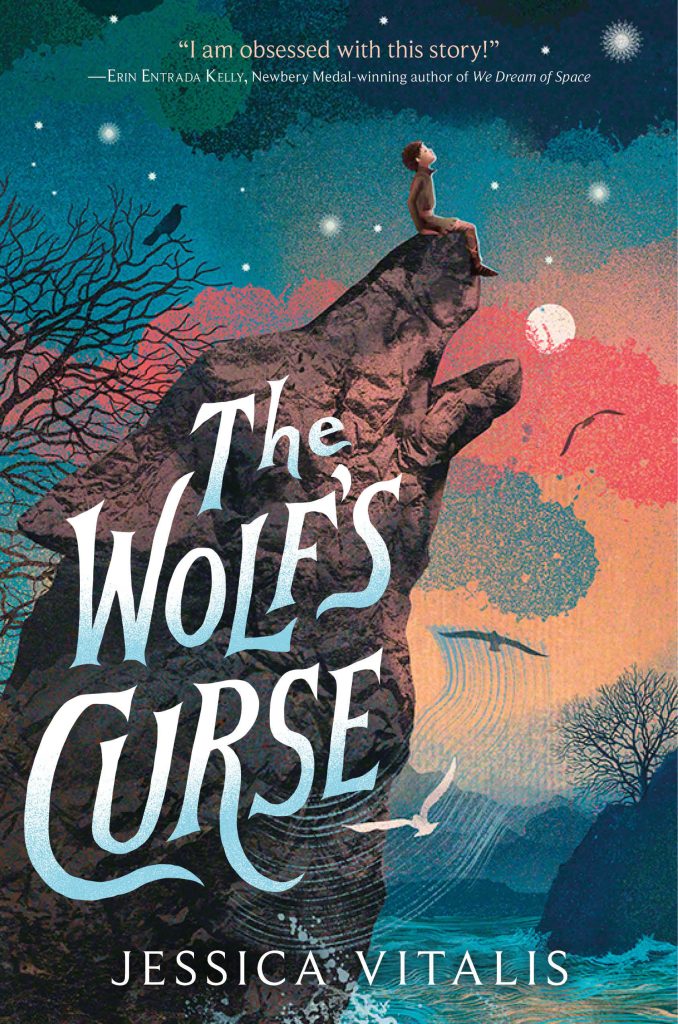
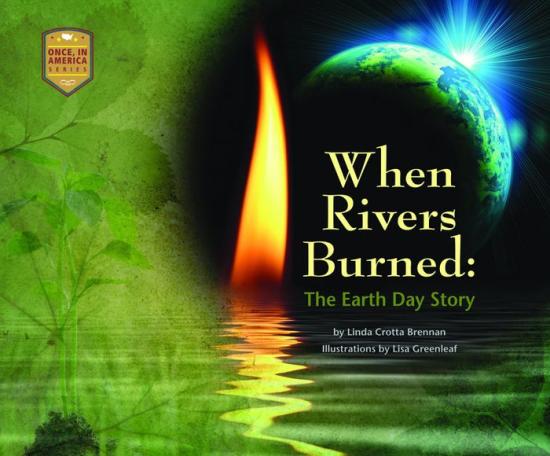
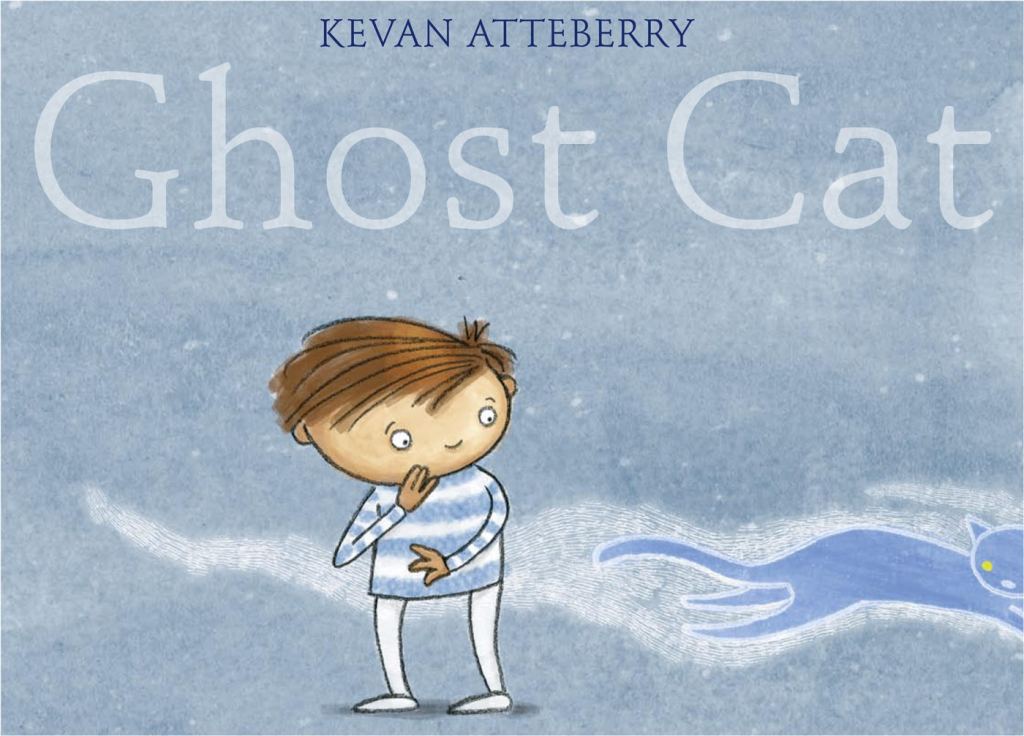
And NOW, without further adieu…Here are the BOOKS OF 2022!! (HA! That rhymes 🙂



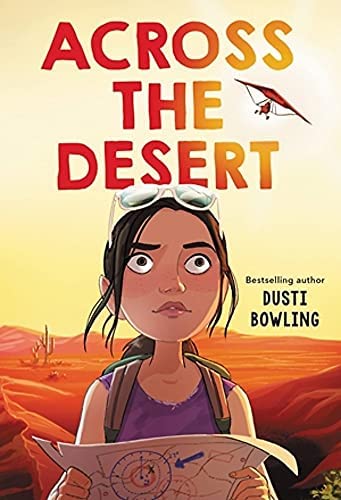
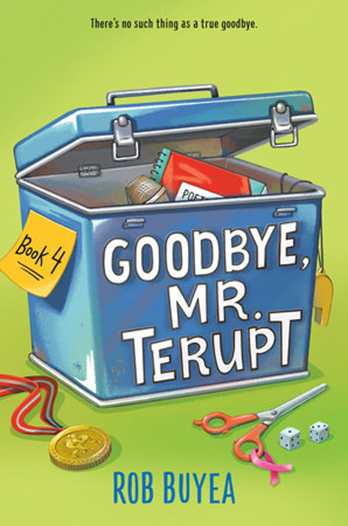
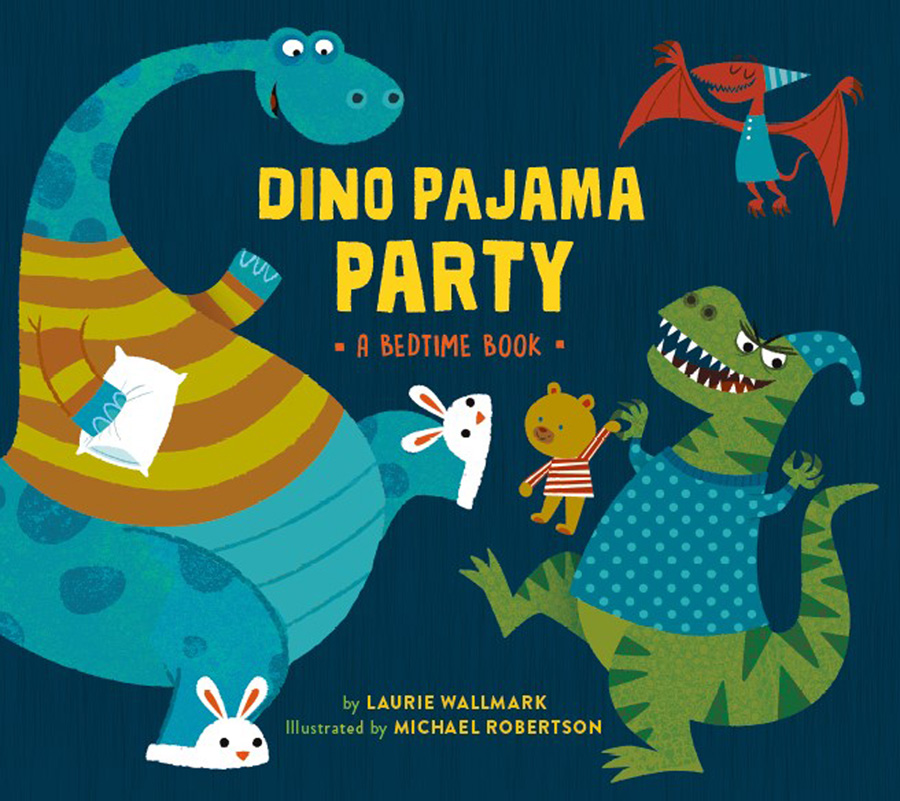
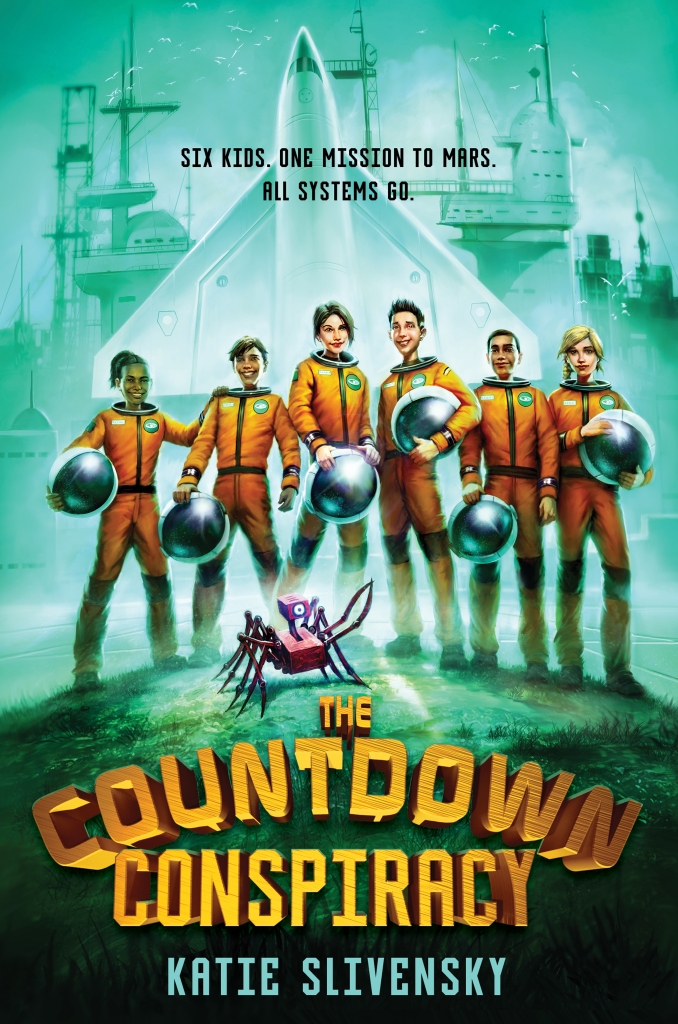



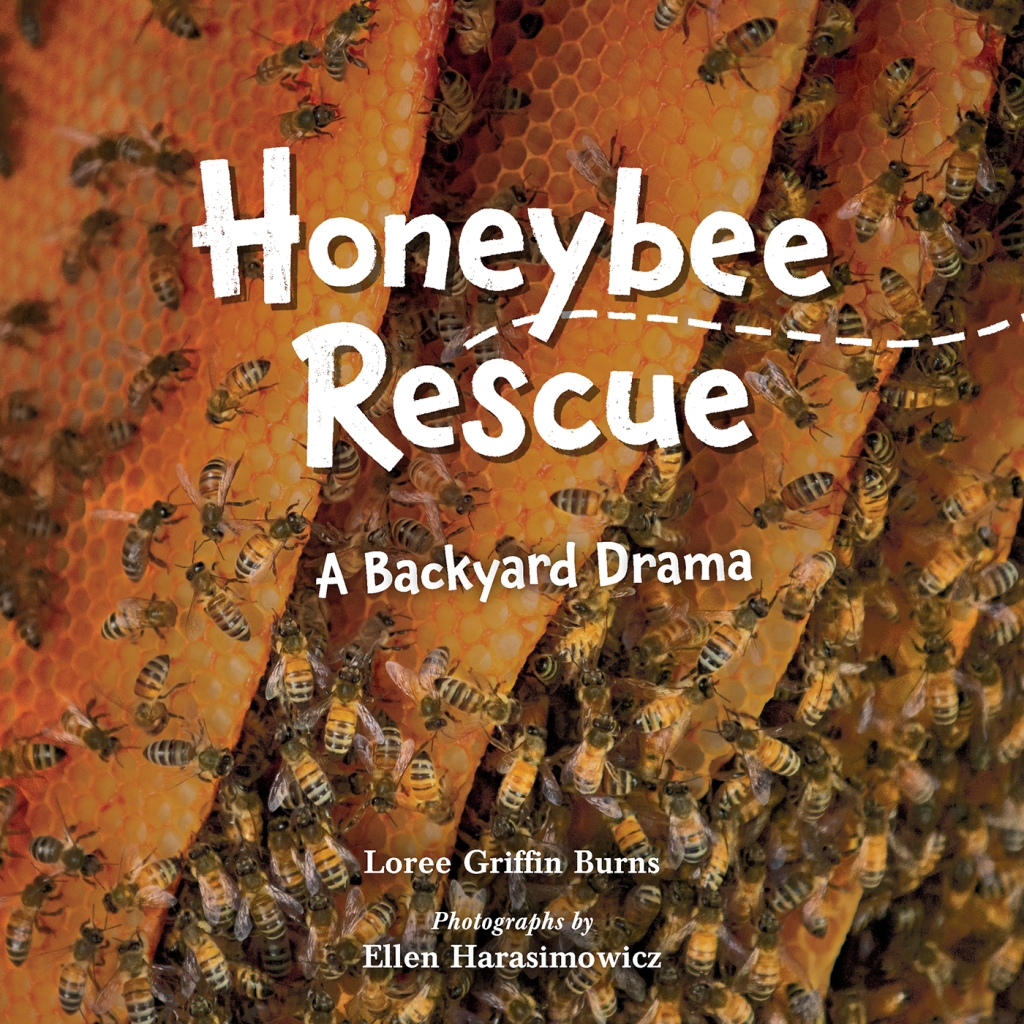
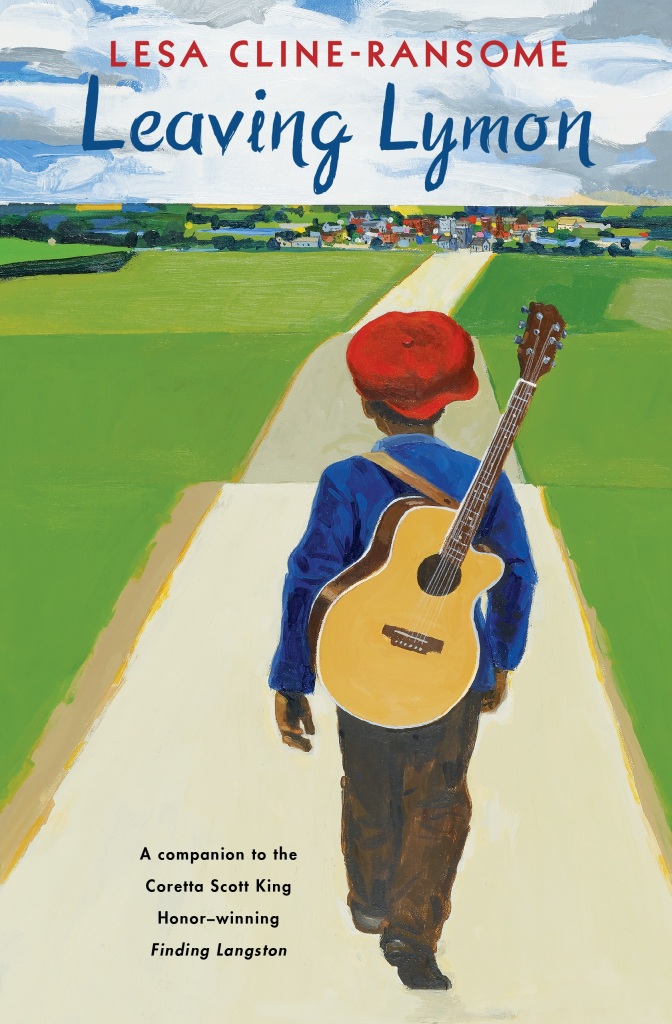

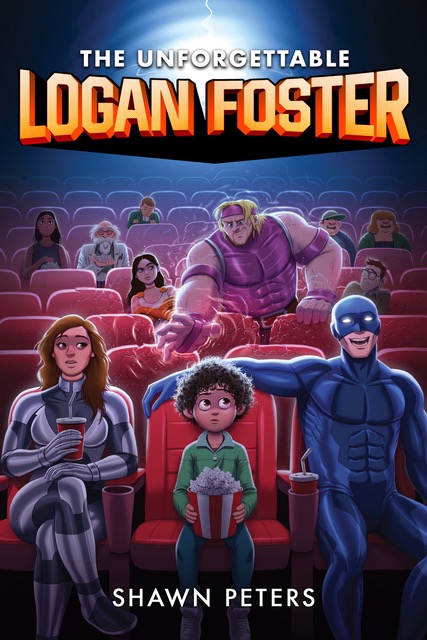
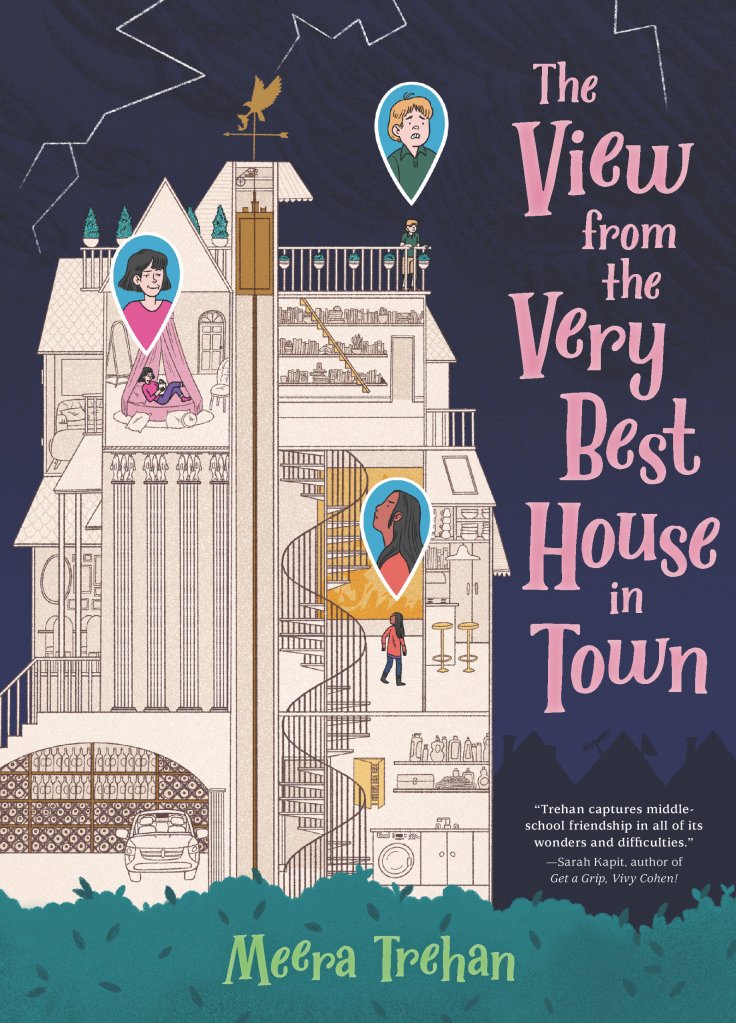
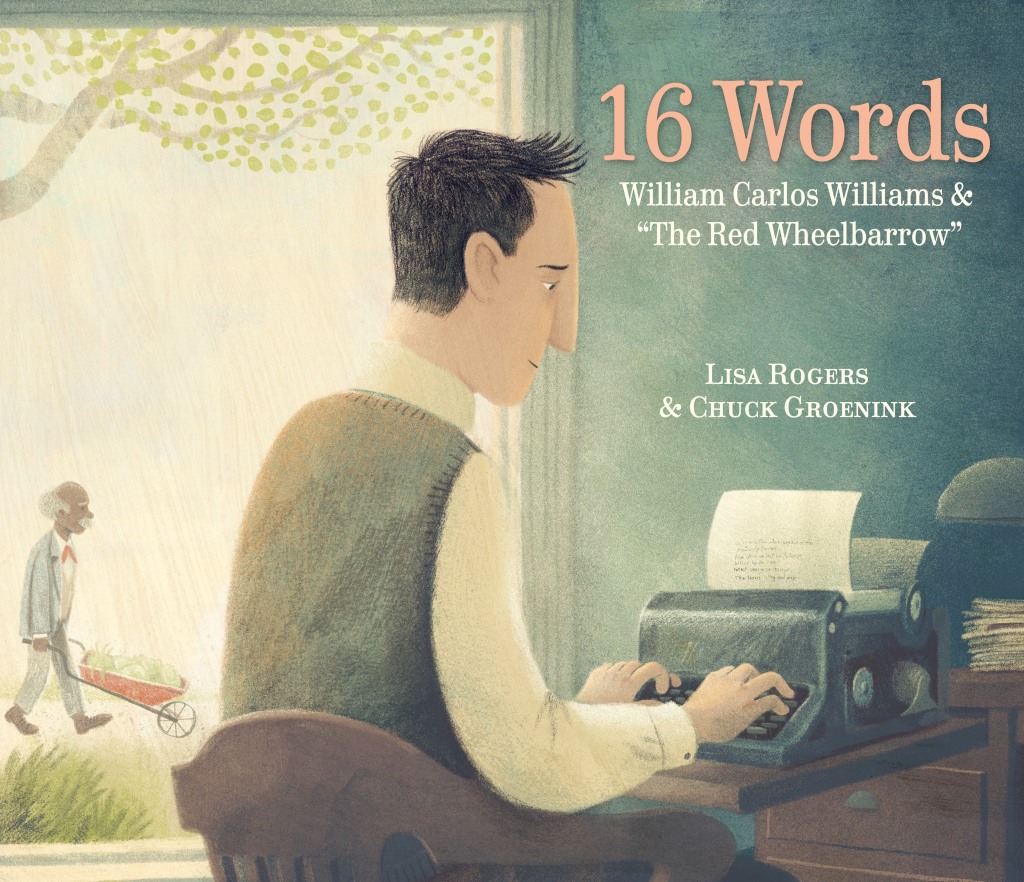
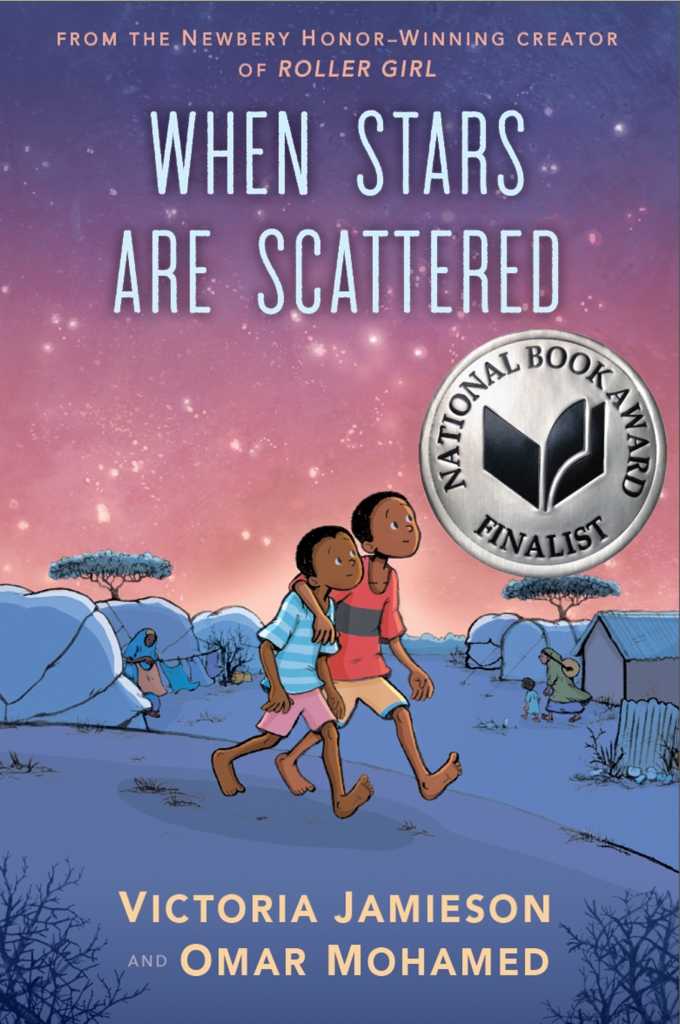
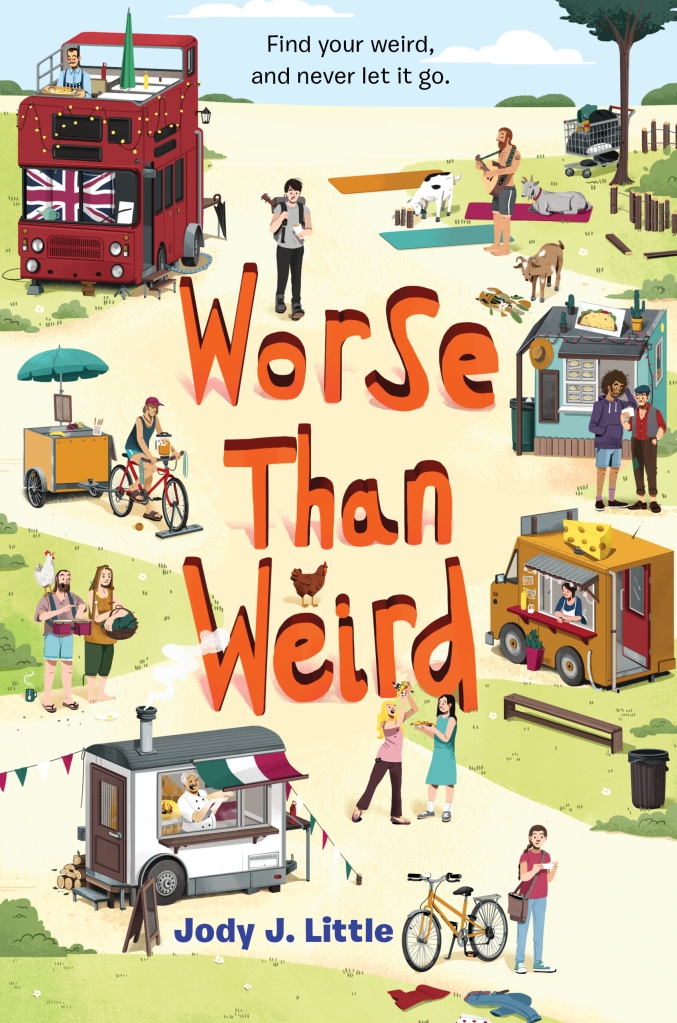
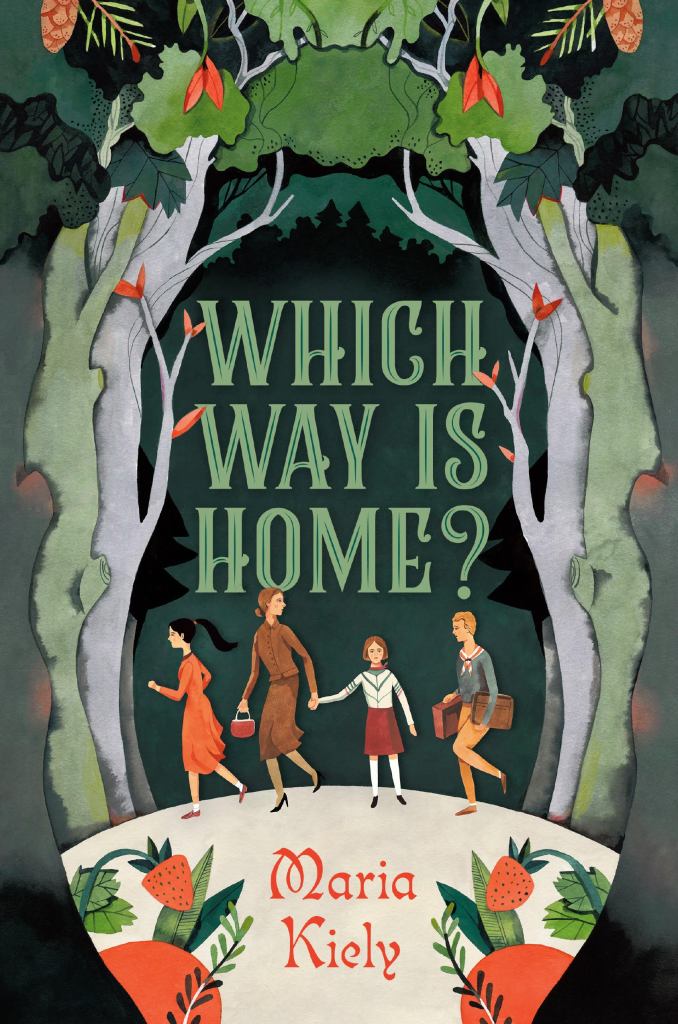




























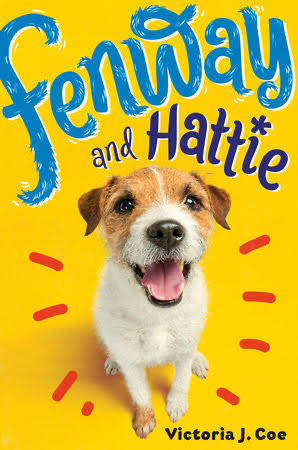

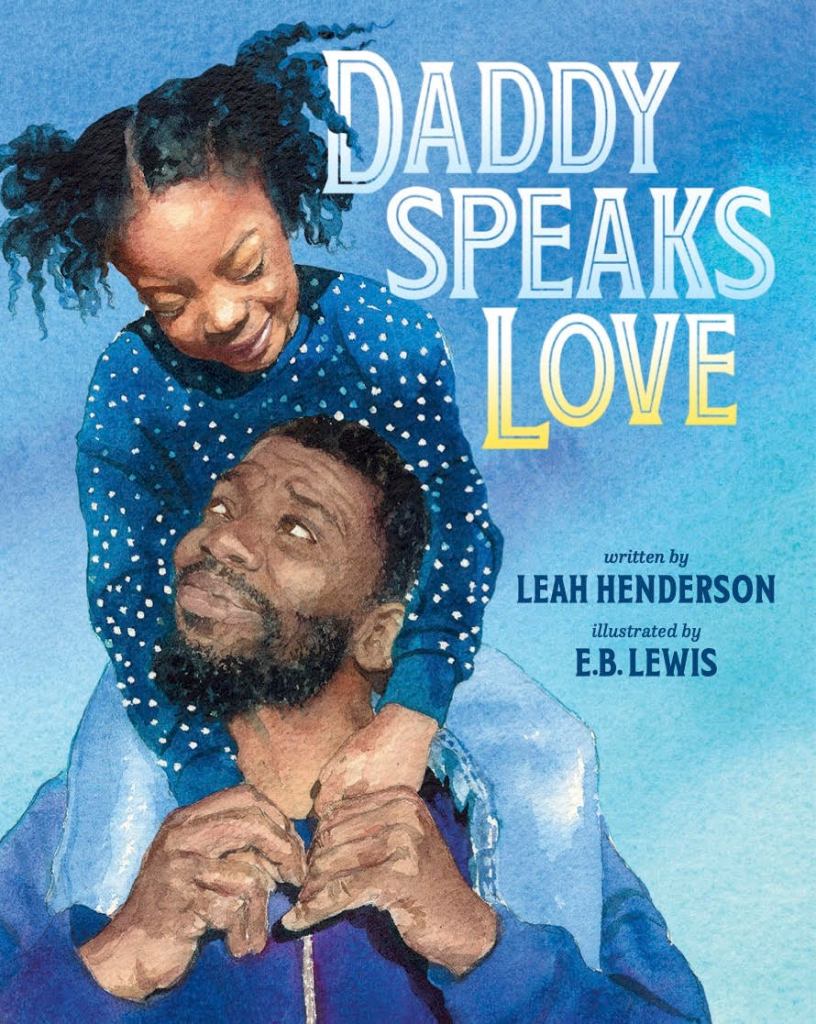
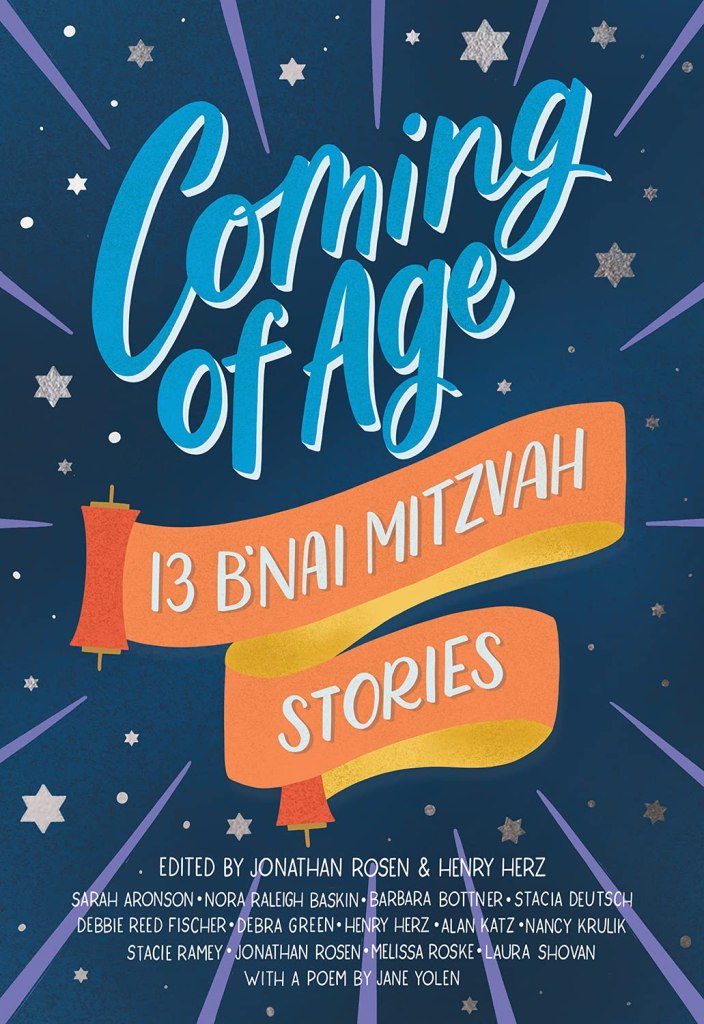


~~~~~~~~~~~~~~~
Rules: ***Giveaway ends on Sunday, February 20 at 11:59PM. Winner will be announced the following day.
ENTER by Retweeting with hashtag #AuthorsLoveTeachers. Also, please comment on this blog. We’d love to hear about your experiences through all of this. Your struggles and victories. (NO pressure to be long!) PLEASE INCLUDE your Twitter handle or e-mail so I can find you if you win!
1) This is to show our appreciation for teachers and librarians, specifically. Therefore, the winner MUST have a school mailing address and be presently employed at that school.
***2) We know that teachers do not always get the appreciation they deserve. (They deserve parades and planets named after them.) This giveaway is a reminder that WE appreciate you. Yes—we write the books, but YOU are in the trenches every day. YOU get the books into the hands of children. Together, we create life-long readers.
And for that…we are most grateful.
Thank you.

Oh my.
Teachers. How I have thought of you and prayed for you over the last year. 2020 has been a year of wondering and worrying. Yet, I have seen the hoops you have jumped through for your students this year. I offer this post with gratitude and deep respect.
AND speaking of gratitude and deep respect…I could NOT pull off a giveaway such as this without each and every author/illustrator here today. The authors and illustrators here answered with kindness and concern on your behalf. They welcomed the opportunity to celebrate you. Because you are cherished.
The last time I facilitated this Valentine’s giveaway, I was in Florida. That was the last trip that I made before everything got tipped upside down and buttoned up. By the time spring hit (which was four years ago, right?) most of you were teaching from home, trying to find a new normal. I would feel downright silly writing a post here on how hard it’s been for you; you know far better than I do. But there is one thing about your job that I do know…
Teachers, do you know when I most think of you? At the end of a full day of author Zooms. Because, you know what? I LOVE KIDS. I LOVE TEACHERS. I LOVE VISITING SCHOOLS. But I have found that in the “before times” I could spend seven hours in a building to present, visit classrooms, and lunch with kids. Then I’d sign a bunch of books. At the end of the day, I’d go out to my car and I was tired.
But not “Zoom tired”.
Right? You know what I mean? I really DO love to connect to kids via Zoom. There are some advantages to it, but mostly I just miss kids and teachers and the smell of schools. I marvel at how you have taught via a screen day after day. Month after month. Presently, many of you are teaching masked kids who are spread out across classrooms, but you make the best of it and stay positive for the kids. And I know that some of you have really gone above and beyond, dropping things off on porches and stoops, texting with kids, etc. That’s resilience and dedication and love all wound up together. Teaching is not just an honored profession. It is a calling.
It’s a very special heart and soul who hears that call and answers it; I figured that out by the fourth grade. And BELIEVE ME, your kids have figured that out, too. You don’t have to be perfect. Kids don’t care about that stuff. We adults do. Kids just want you to care. I was such a child. When you see and care for the child, the student works very hard for you.
I have done this giveaway for several years now and I was extra determined to get it posted this year. I reached out to dozens of my author friends and we have banded together to honor you.
To thank you. To wish you well. To remind you that you MATTER. Those kids behind those masks and screens need you. Sadly, for some of them you are the adult who sees them. Pays attention. That is life altering stuff. Trust me. I know this.
And with all of the obstacles and budget cuts. With having to buy your own supplies, track down kids who don’t follow through, praise those who do, contact parents who are not always cooperative, and stand on your head to engage kids via screens or through masks, you persevere.
In addition to curriculum you see the child before the student and assist kids with their heightened anxiety and depression, all the while worrying about their safety. Now, pile on your very real worries regarding your personal safety as well as the safety of your loved ones…with all of that to navigate…you remain stalwart for those kids.
That’s what makes you a hero.
~~~~~~
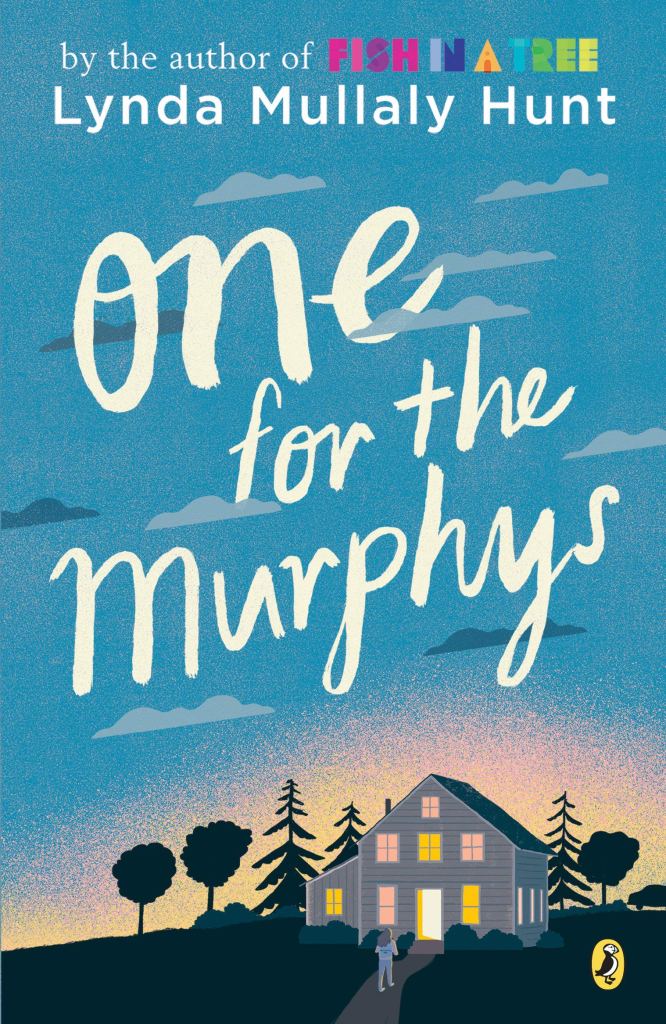
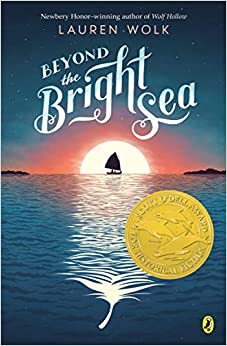
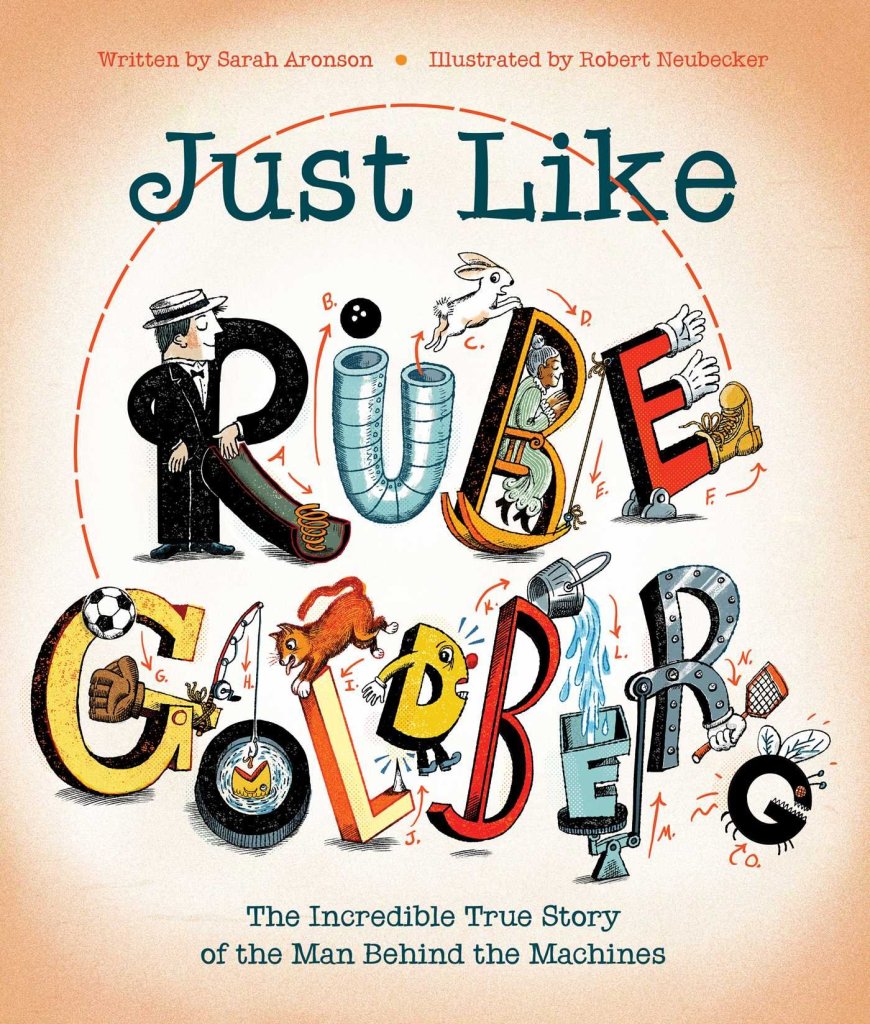
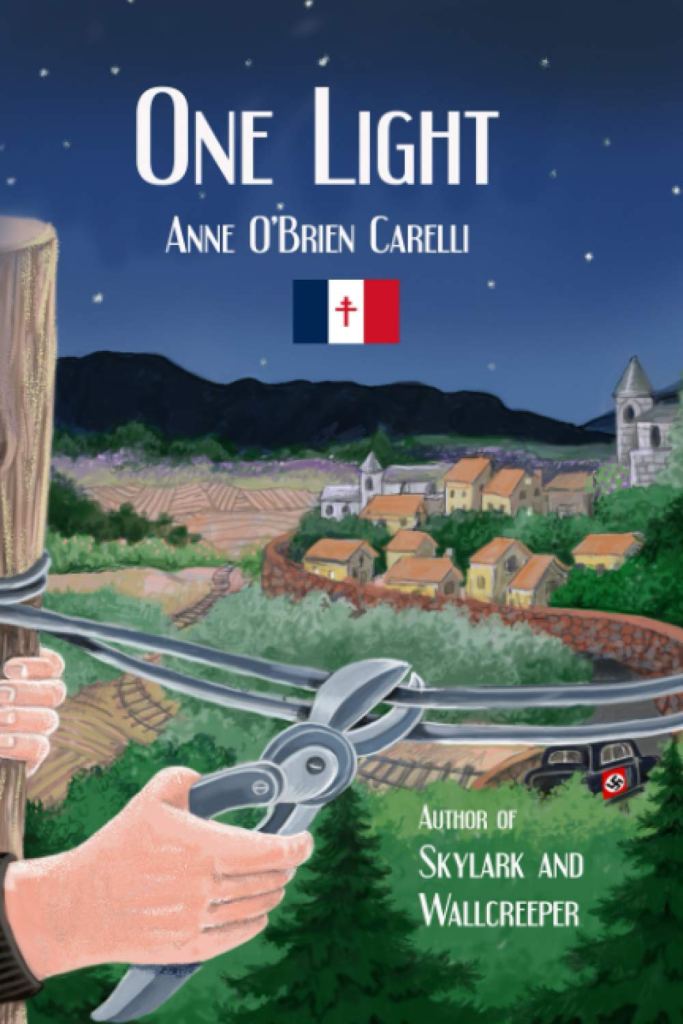
SO…<DRUM ROLL>…HERE at he books for the #AuthorsLoveTeachers Giveaway. Directions on how to enter are at the BOTTOM. << ONE WINNER WILL win them ALL! >>


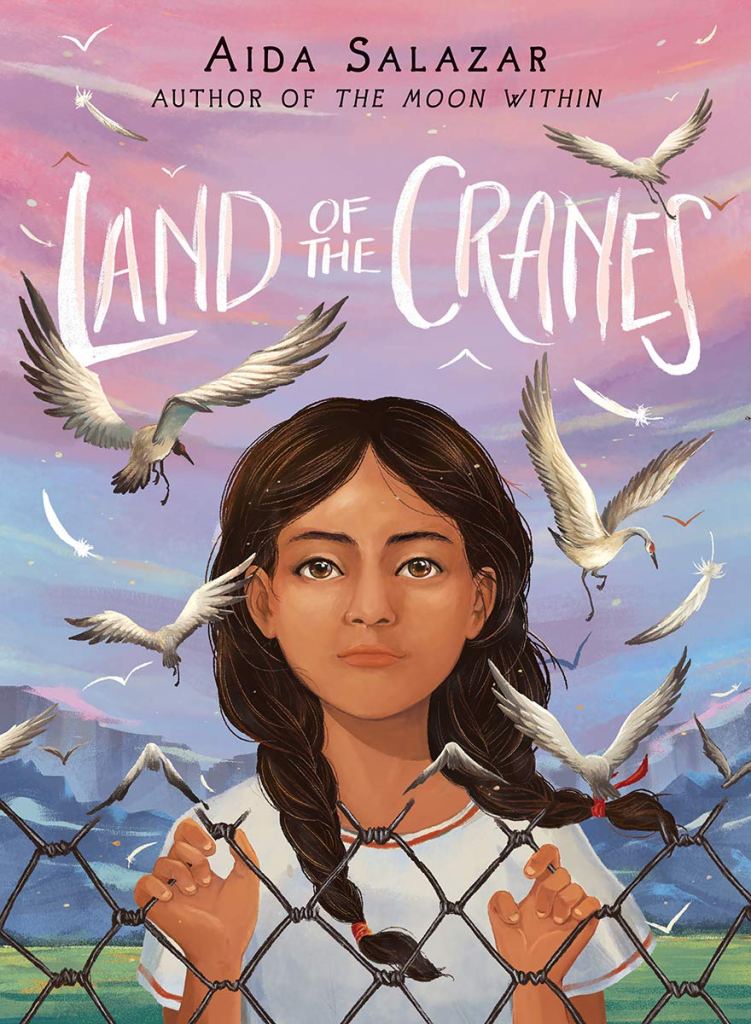


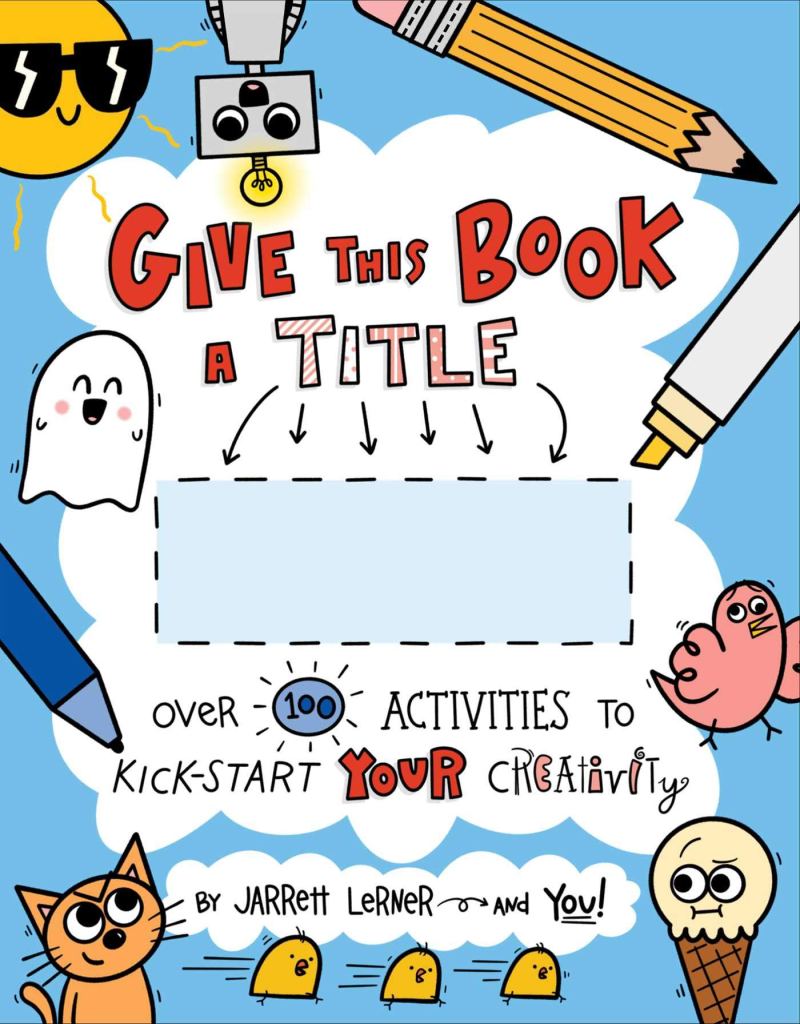


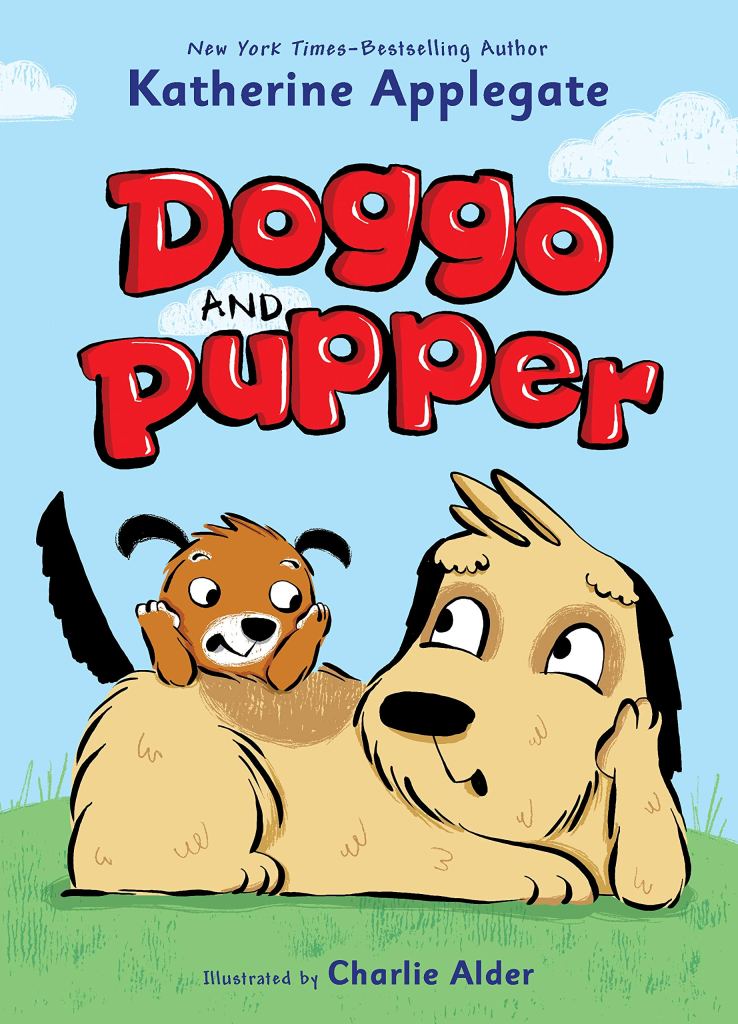


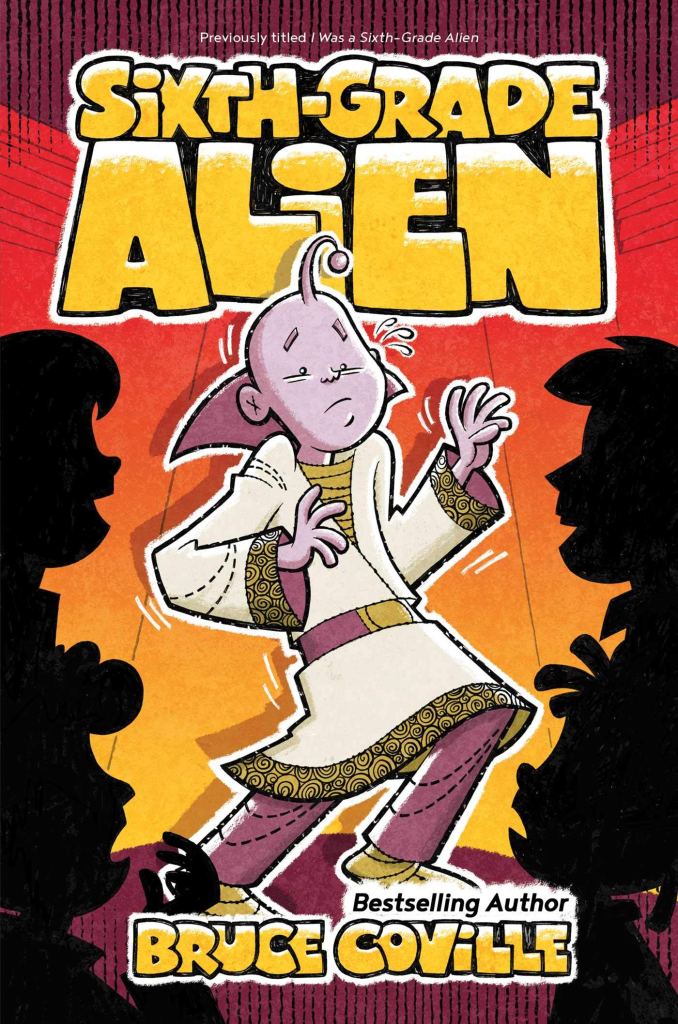


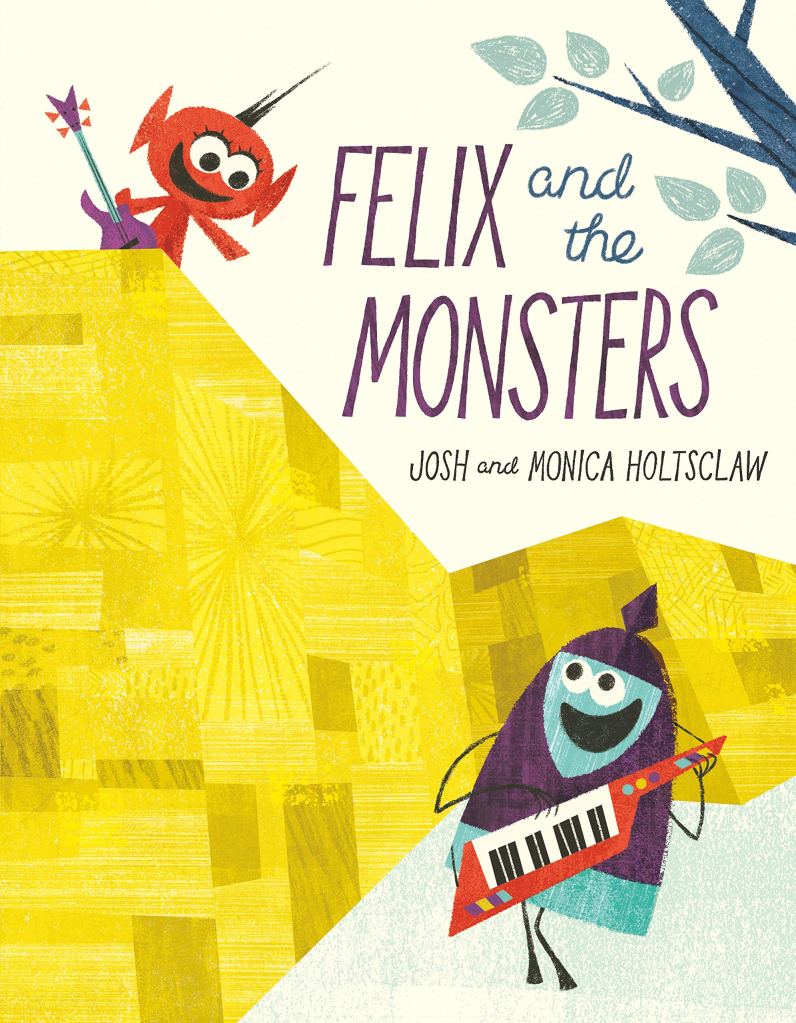

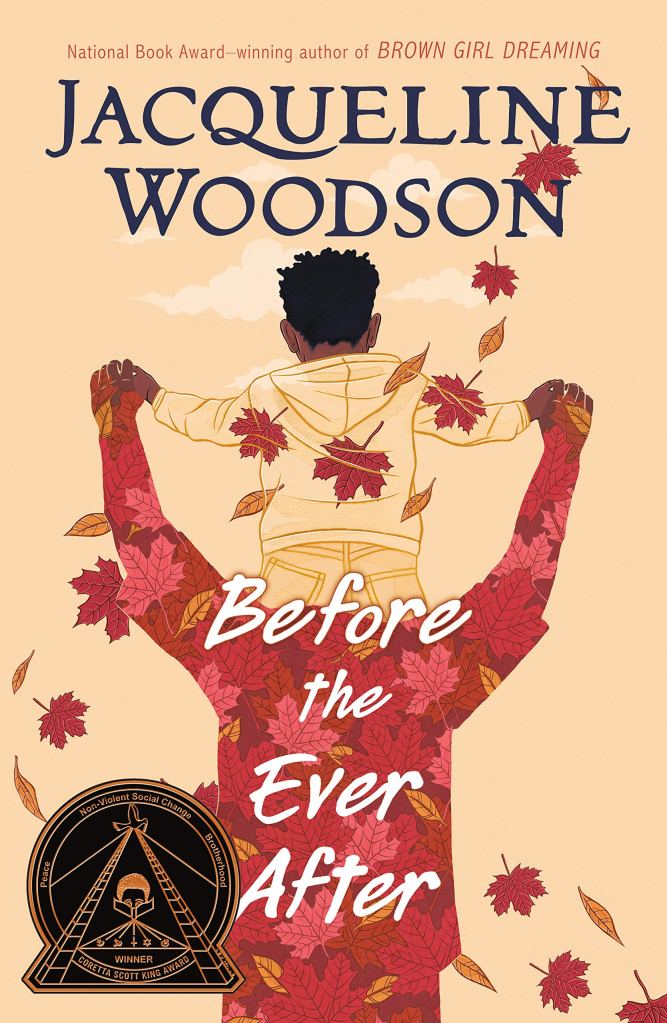


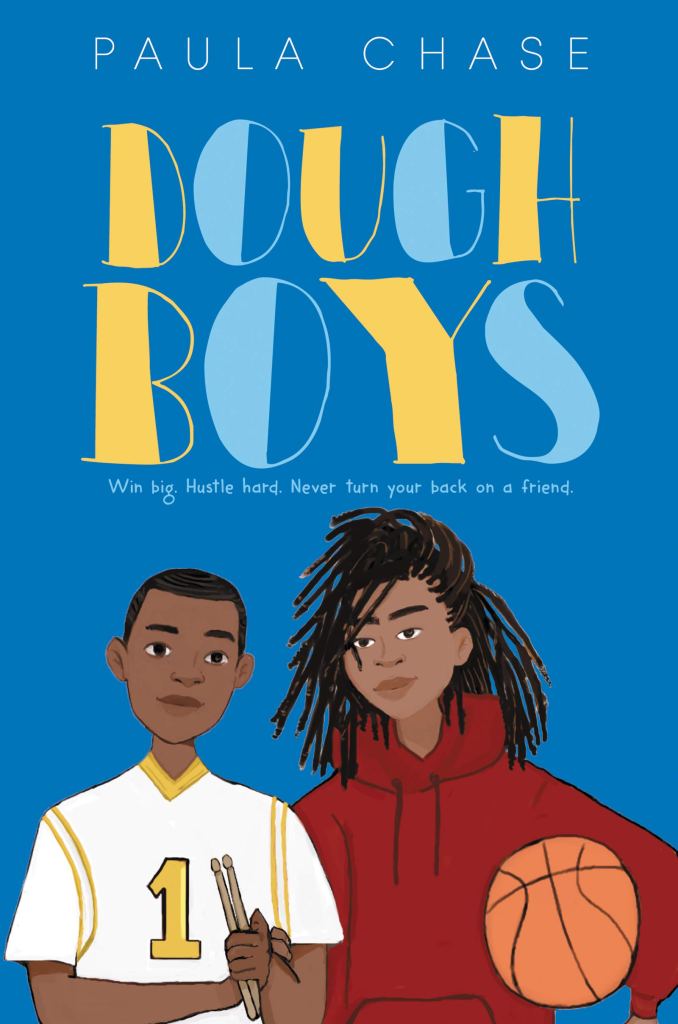


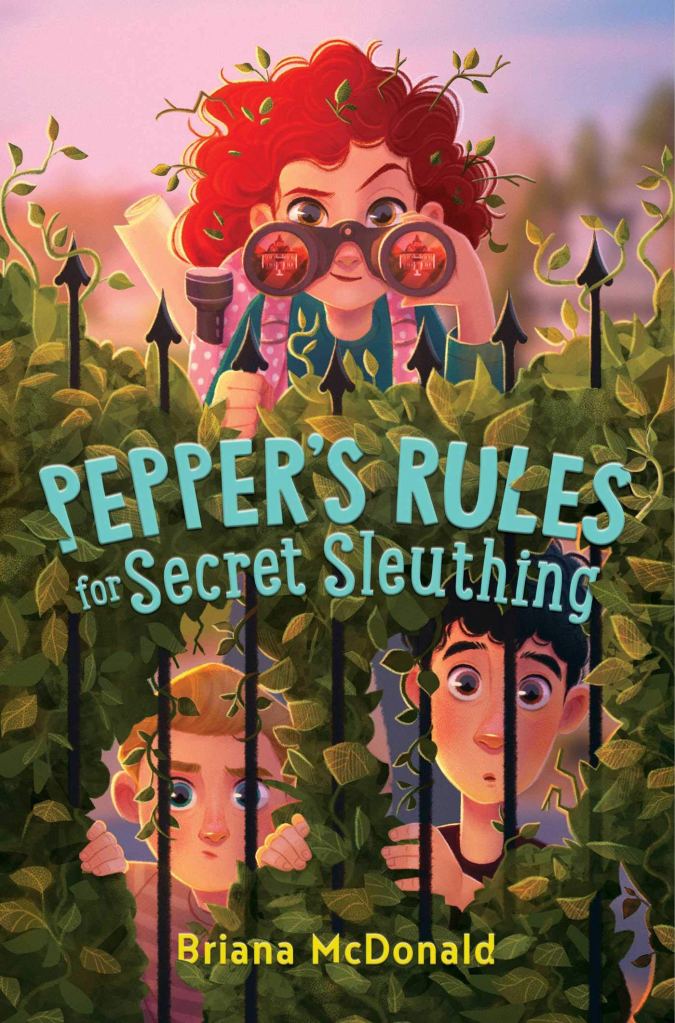


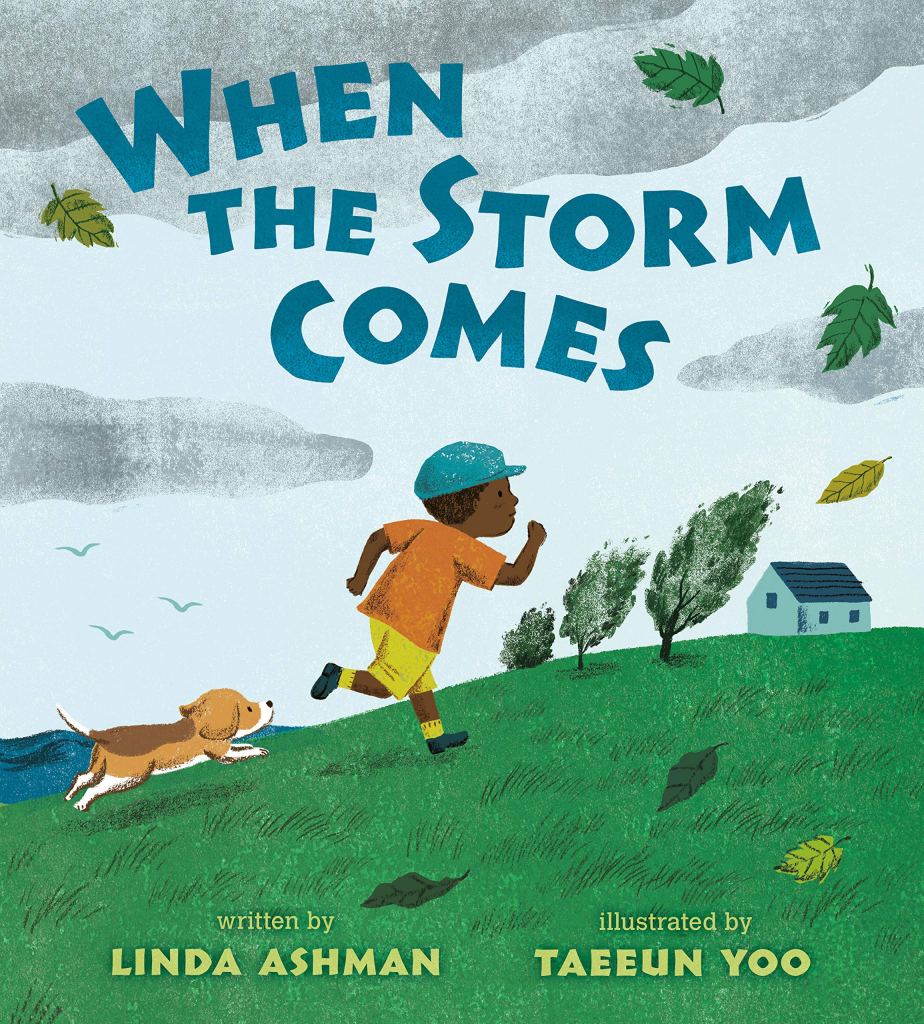







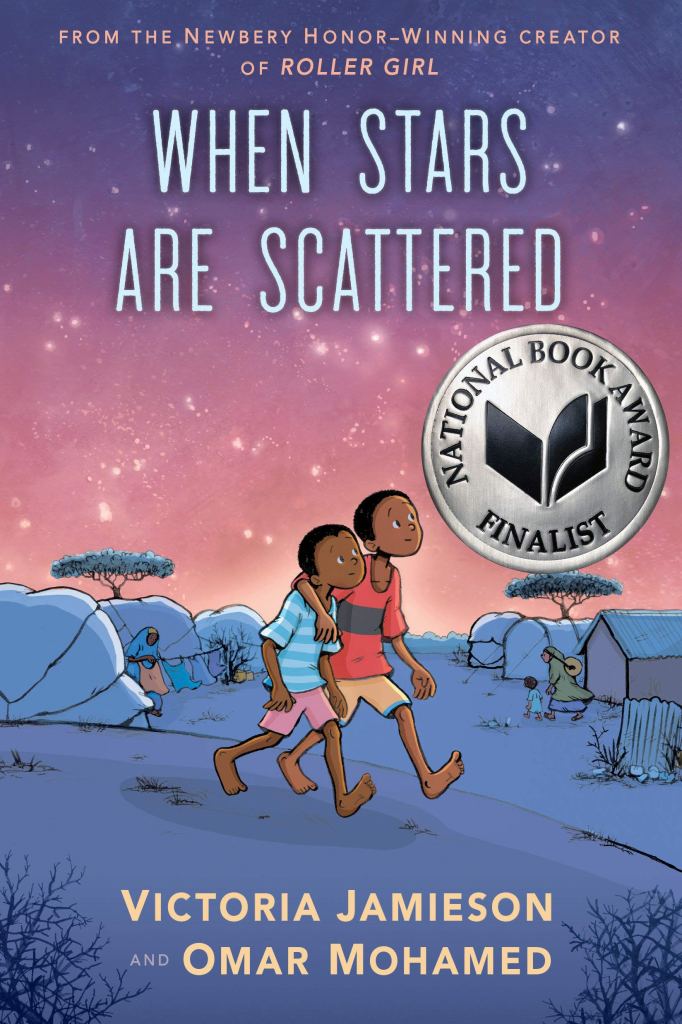
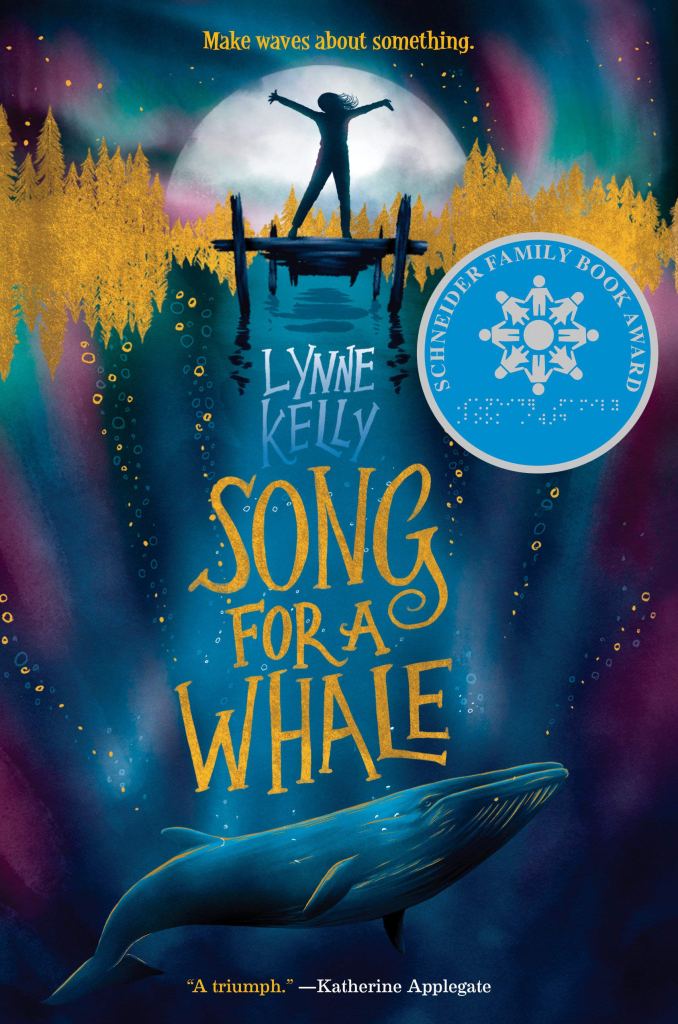
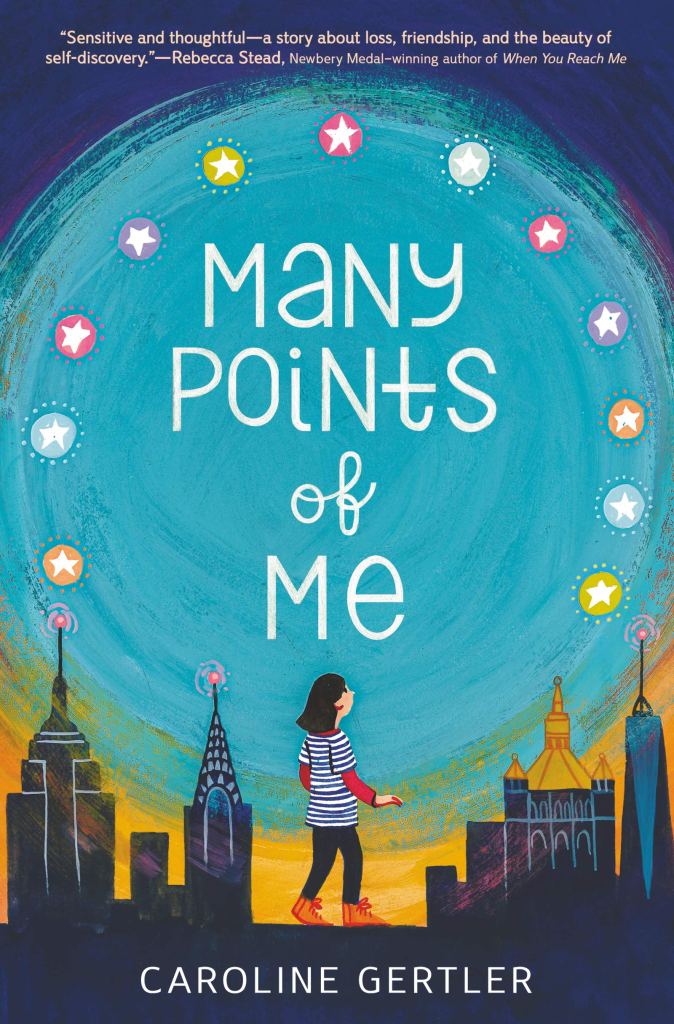




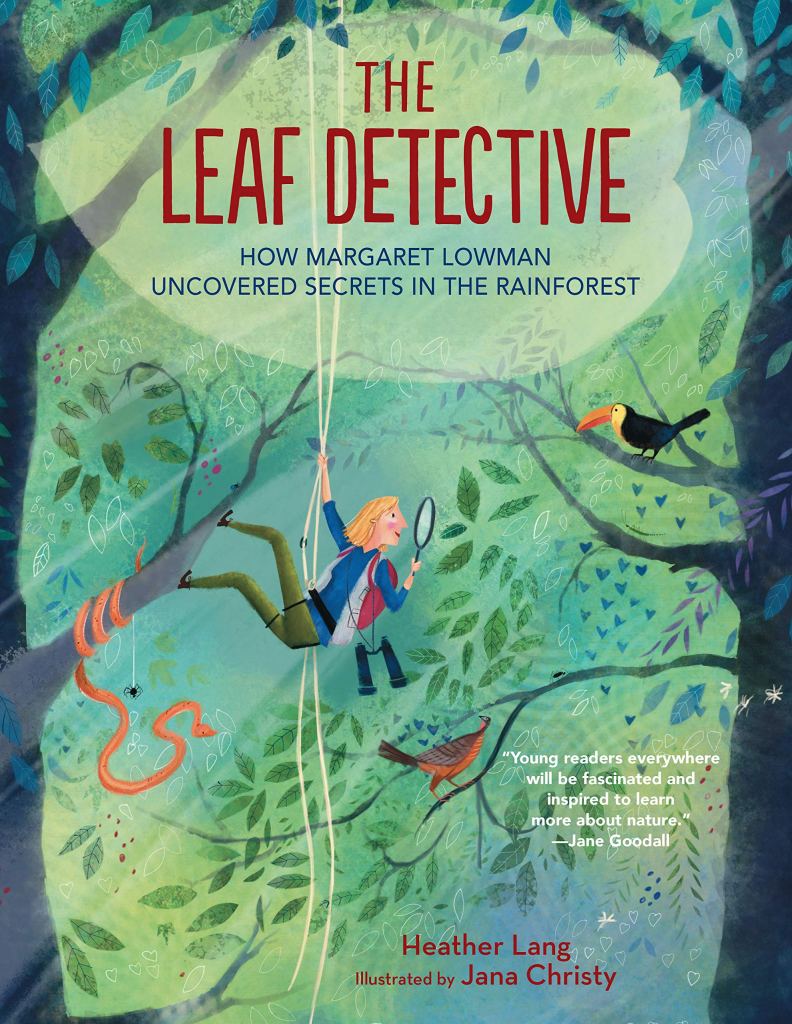


Rules: ***Giveaway ends on Saturday, February 20 at 11:59PM. Winner will be announced the following day.
ENTER by Retweeting with hashtag #AuthorsLoveTeachers. Also, please comment on this blog. We’d love to hear about your experiences through all of this. Your struggles and victories. (NO pressure to be long!) PLEASE INCLUDE your Twitter handle or e-mail so I can find you if you win!
1) This is to show our appreciation for teachers and librarians, specifically. Therefore, the winner MUST have a school mailing address and be presently employed at that school.
***2) We know that teachers do not always get the appreciation they deserve. (They deserve parades and serenades and major awards.) This giveaway is a reminder that WE appreciate you. Yes—we write the books, but YOU are in the trenches every day. YOU get the books into the hands of children. Together, we create life-long readers.
And for that…we are most grateful.
Thank you.
Greetings, Teachers and School Librarians,
What strange times these are, huh? I have been thinking of you all, knowing that whether you are distance teaching from home or in your school building, these times are full of unique challenges. There are plans that seem to change daily. There is uncertainty. There are times when you, as teachers on the front lines, do not feel seen and supported.
But you ARE supported. There are scores of us out in the world thinking of and praying for you. I think teachers this fall must be experiencing the epitome of conflicting emotions. Thrilled to be in your classrooms and to see your kids again (if in person) but the worry of masks and social distancing and the unpredictability of…well, of it ALL. And those of you teaching online. Yes, it feels safer but it’s teaching without the very BEST part of teaching – the kids.
I love to visit with kids virtually, but it isn’t like standing in a gym with them. Walking up and down the aisles, high-fiving kids, asking their names, shaking hands with their teachers, visiting their library and signing things for them. Quiet conversations with kids who connect to my books in special ways; making memories.
YET…this school year is one your kids will LONG remember. They will remember how you showed up for them. They will remember how hard you tried. They will remember your efforts to connect to them such as a hand-written, (mailed if distanced) note. Yeah, something like that takes time but it will make a BIG impact on kids. If Lynda at 10 years old had you for a teacher this year, I would have need you. And if I knew you cared. That you saw me. I’d log in each day. I’d work very hard for you.
See the child before the student. Tend to their hearts and souls as well as their brains. Even in these nutty times, the HEART of teaching is STILL the Children. NO ONE expects perfection. Do the best you can. Take care of the child. At ANY age. You know, those big high school kids really need their teachers as well. This is sometimes forgotten.
I DO support you – as always. During the fall, I will be posting videos for you. I will also be doing giveaways for virtual visits and personalized videos. But, for the time being, I have teamed up with Kimberly Lynn, illustrator of FISH IN A TREE for the following giveaway. It includes an original piece of art which I find VERY hard to part with! SERIOUSLY. But for you, I WILL!
Here are the giveaway items. (Directions to enter are at the bottom of this post.)
GRAND PRIZE WINNER:
Everything in these pictures:

An ORIGINAL color drawing by the illustrator of Fish in a Tree, Kimberly Lynn Hunt. I’m not going to lie; I’d love to keep this. BUT I WON’T! 🙂

25 SIGNED paperbacks of FISH IN A TREE. And 1 personalized hardcover for the teacher/winner 🙂
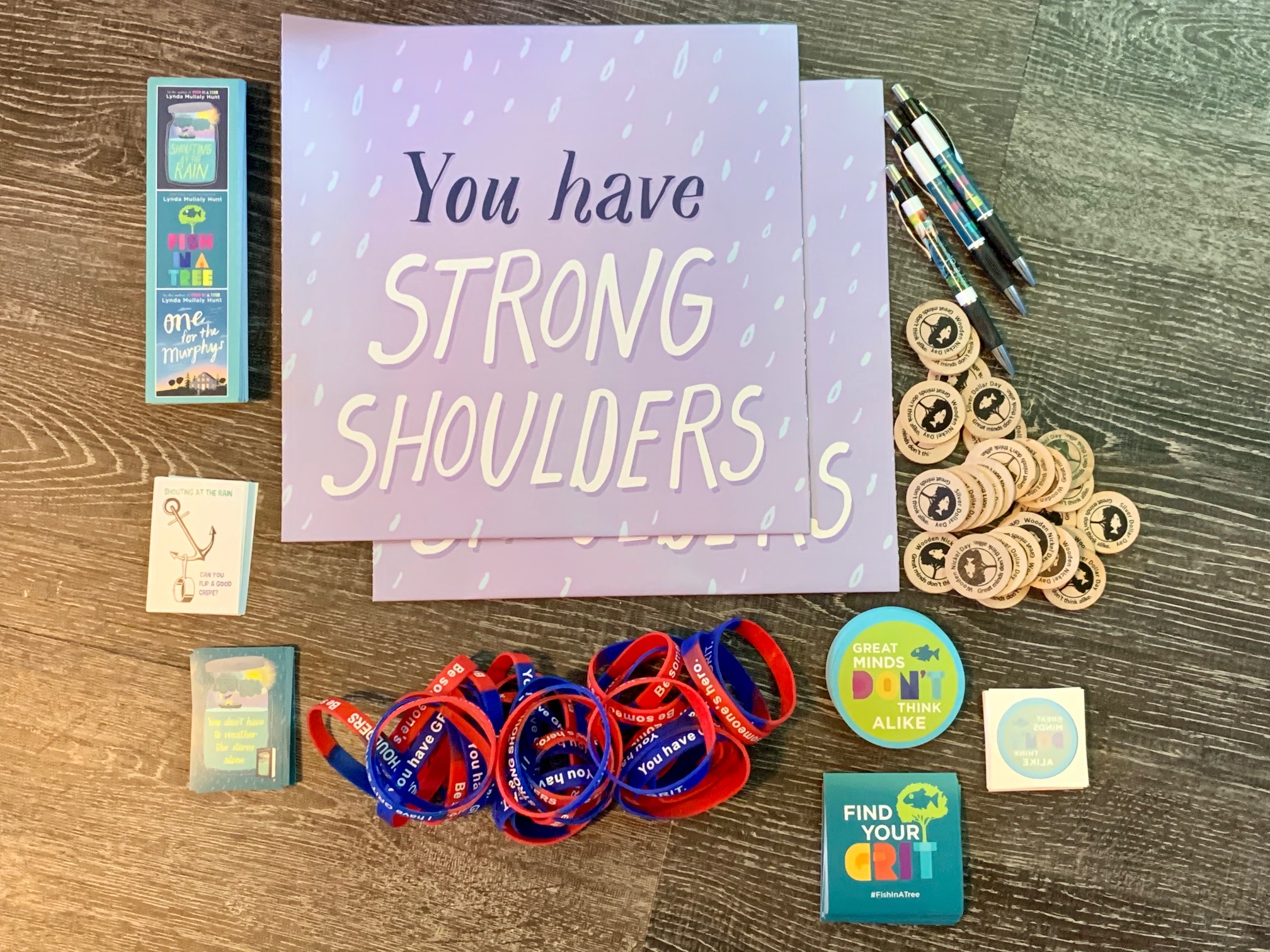
TWO personalized posters (see below) 1 OFTM pen, 2 FIAT pens, 30 wooden nickels, 120 stickers total, 30 “Great Minds…” tattoos, 30 silicone bracelets, and a bunch of SIGNED bookmarks.

TWO Posters – personalized for your school or classroom.

One signed copy of each – One for the Murphys & Shouting at the Rain

Each book is bagged with swag enclosed for each student. Easy, safe distribution.
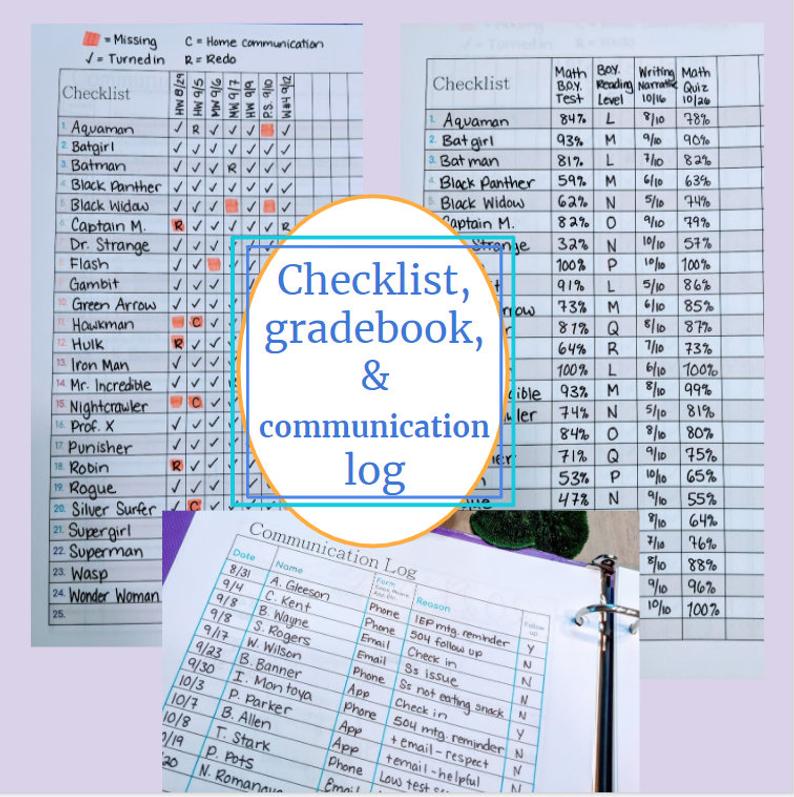
Digital Download of a Teacher Planner

Digital Download of Teacher Planner/Calendar
~~~~~~~~~~~~~
NOTE: Digital planning pages generously offered by:
BEAR ISLAND CREATIVE (Link to store)
~~~~~~~~~~~~~~~
***IN ADDITION, I will choose some additional winners to get smaller “Just Swag Packs” OR “Just Stickers Packs”.
~~~~~~~~~~~~~~
The backstory of FISH IN A TREE. The Teacher who saved me.

To ENTER, please retweet and/or post to social media with the hashtag #FIAT. ALSO, please include your twitter handle, if you have one!
ALSO, please comment below about some of the challenges and victories you are experiencing – whether they be virtual or in person. If I learn more about your experiences, it will help me find ways to help you.
I am planning to create more videos for the fall that you can share with your kids. Also, I have asked the illustrator of the Sketchbook of Impossible Things (found at the back of the paperback) to create activities for you to share with your kids – they will be coming in early September. If there are ANY specific activities you’d like made, PLEASE share that with me as well. WE WILL MAKE IT FOR YOU! Again, I would like to help, if I can.
NOTE: I will ship to a private residence, however, winner MUST be currently employed by a school system (and listed as such on their district website). ALL materials will come in ONE box. Winning teacher is responsible for distribution to kids. US and Canada only.
GIVEAWAY ENDS Tuesday night at 11:59 PM.
Bless you.
Thank you.
Stay well.
Lynda


Okay, READER! I will be putting together videos for YOU! But I’d like your help on WHAT you would like to know!
In the comments section, please post questions. ***PLEASE BEGIN EACH QUESTION with a topic label in ALL CAPS so I can sift through them. For example…
ONE FOR THE MURPHYS Does Carley have similarities to you?
WRITING What do you like best about writing a book?
FISH IN A TREE Who is your favorite character from the book?
SHOUTING AT THE RAIN Why did you set the book on Cape Cod?
WRITING What advice do you have for a kid who wants to be an author one day?
SHOUTING AT THE RAIN You must really like anagrams, huh? Why do you think that’s so?
ONE FOR THE MURPHYS Do you like basketball or baseball more?
See how I did that? This will make it easier to sift through your questions to organize them. (I decided against multiple blogs for questions… We shall see how this goes.)
So…please post your questions below. BUT can we please give our TEACHERS and LIBRARIANS who are reaching out to you young readers a round of Applause!!!?

Well, another Valentine’s Day has rolled around. I have visited many schools so far this year and I am continually astounded by the teachers and librarians who I meet who are caring for the minds and hearts and souls of “their kids.”

I have met teachers who stay after school, work with kids at lunch, and create alternative curricula for children who need it. I see evidence of spectacular lesson and unit planning and rooms decorated to be welcoming places for children. I have met educators who are playing basketball with kids to connect, who greet each student with a smile every morning, and take the time to check in with kids as young people rather than just students.
I know countless librarians and educators who take the time to organize book groups with young readers and discuss real world issues that kids are wondering about or grappling with. I have even met a principal who does laundry for students who would otherwise come to school dirty.
These people are teaching the curriculum but oh, they accomplish SO much more. They save children. They change perceptions. They give kids information and tools to improve their own lives. You know, sometimes it’s a matter of introducing kids to a side of life they simply didn’t know existed. Or seeing themselves in a way they didn’t think was possible.
Like Carley Connors in my first book, ONE FOR THE MURPHYS, I am not a crier but seeing these things happen does undo me sometimes. I am so, so grateful that there is an army of educators out there championing children.
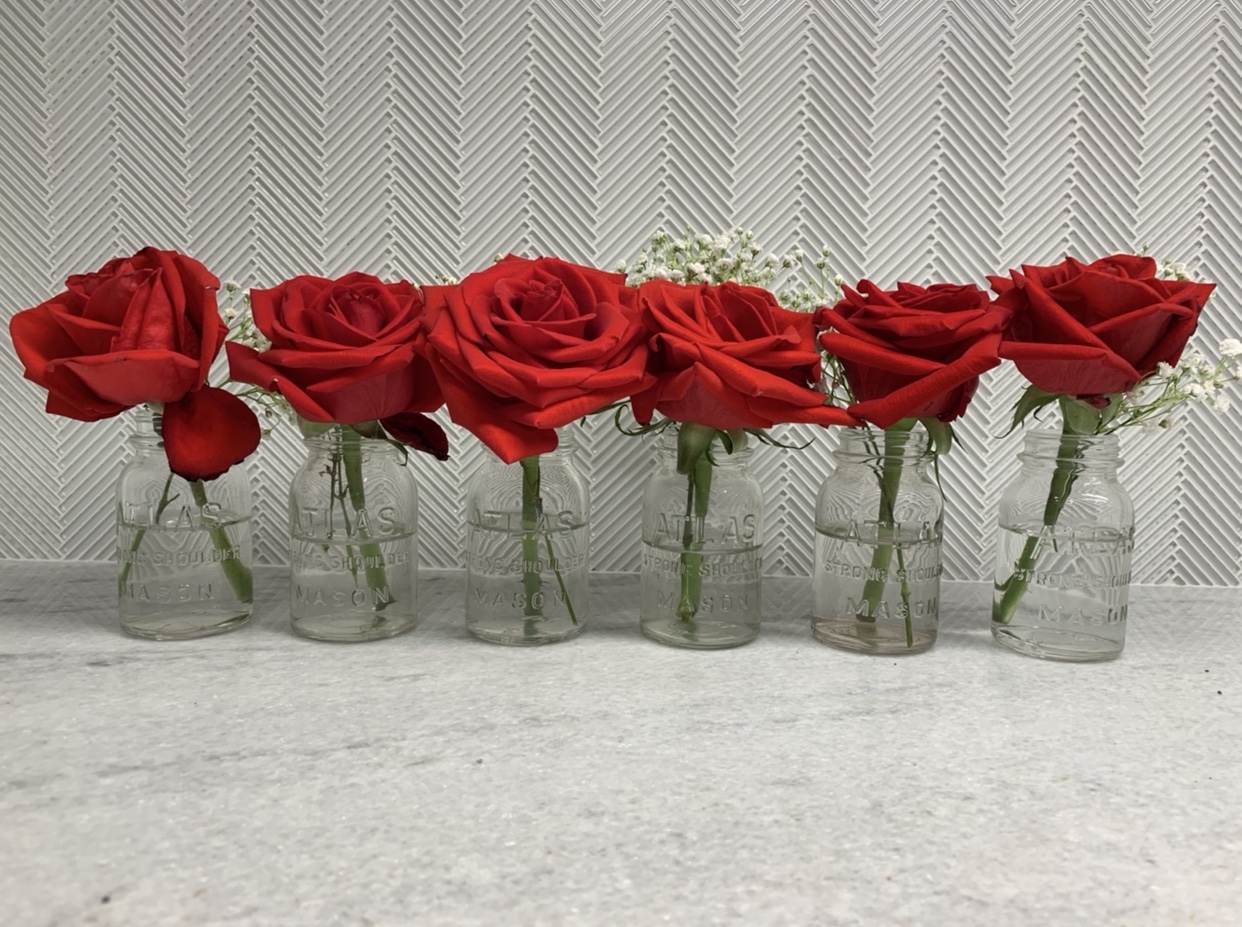
In my latest novel, SHOUTING AT THE RAIN, there is a strong theme of Strong Shoulders (the title of this blog as well). Teachers, librarians, and all others who work with kids each day and buoy them embody this idea.
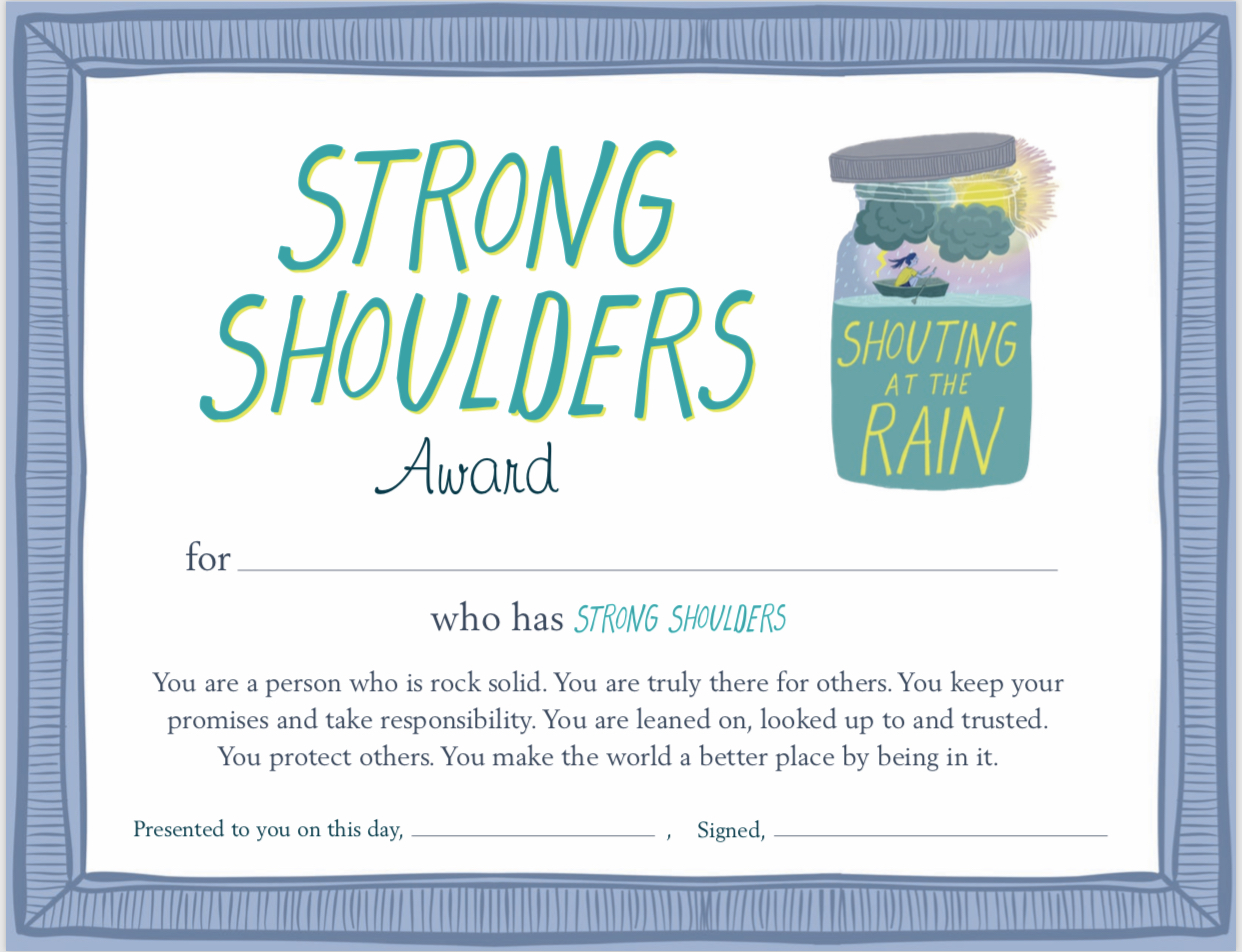
SO, we authors and illustrators would like to THANK YOU for everything that you do. Every day. YOU are heroes.
Truly.
***ENORMOUS thanks to my fellow authors and illustrators who are donating each book as well as the cost of shipping. This could NOT happen without each of them.
~~~~~~~~~~~~~~~~~~~~~~~~~~~~~~~~~~~~~~~~~~~~~~~~~~~~~~~~~~~~~~~~~~~~~~~~
SO…HERE are the 2020 giveaway books. (***INSTRUCTIONS on how to enter are at the end of this post.)


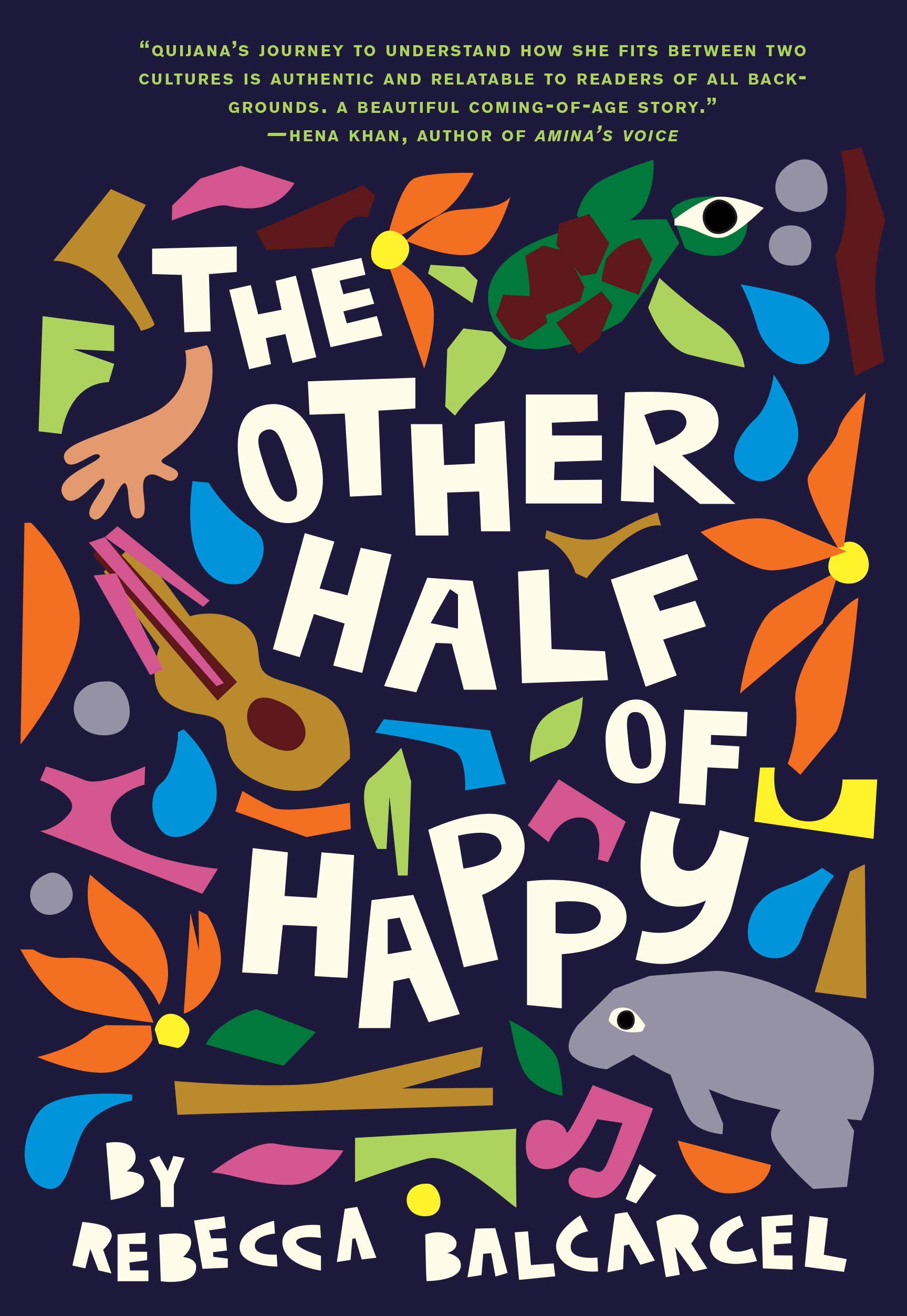
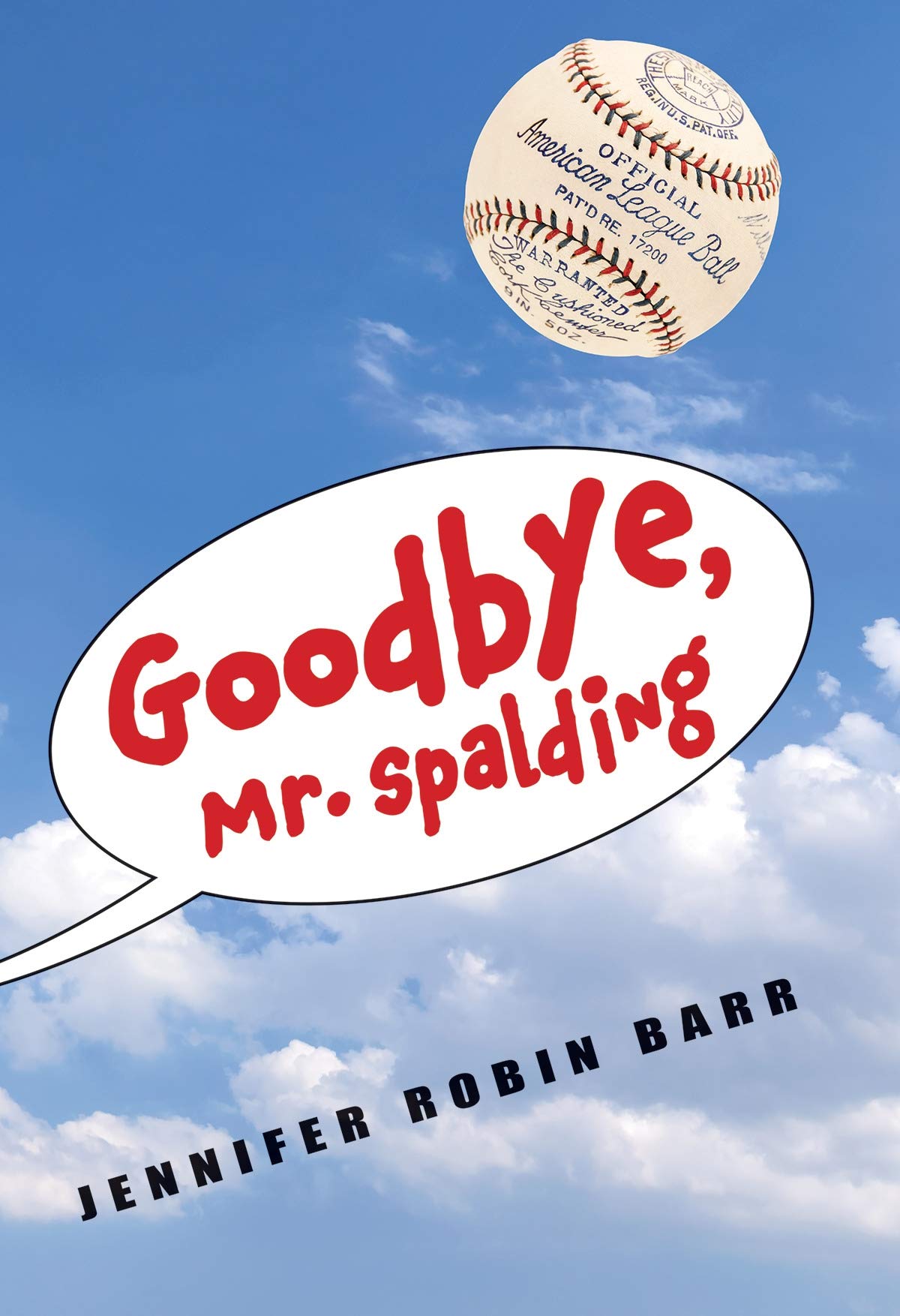


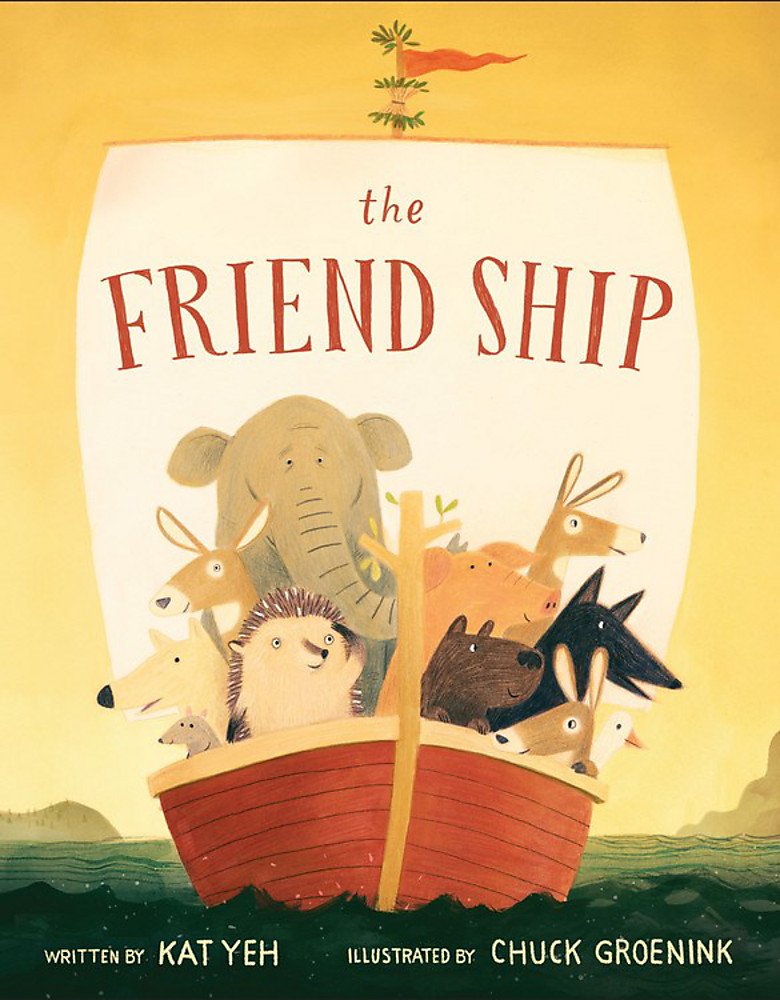

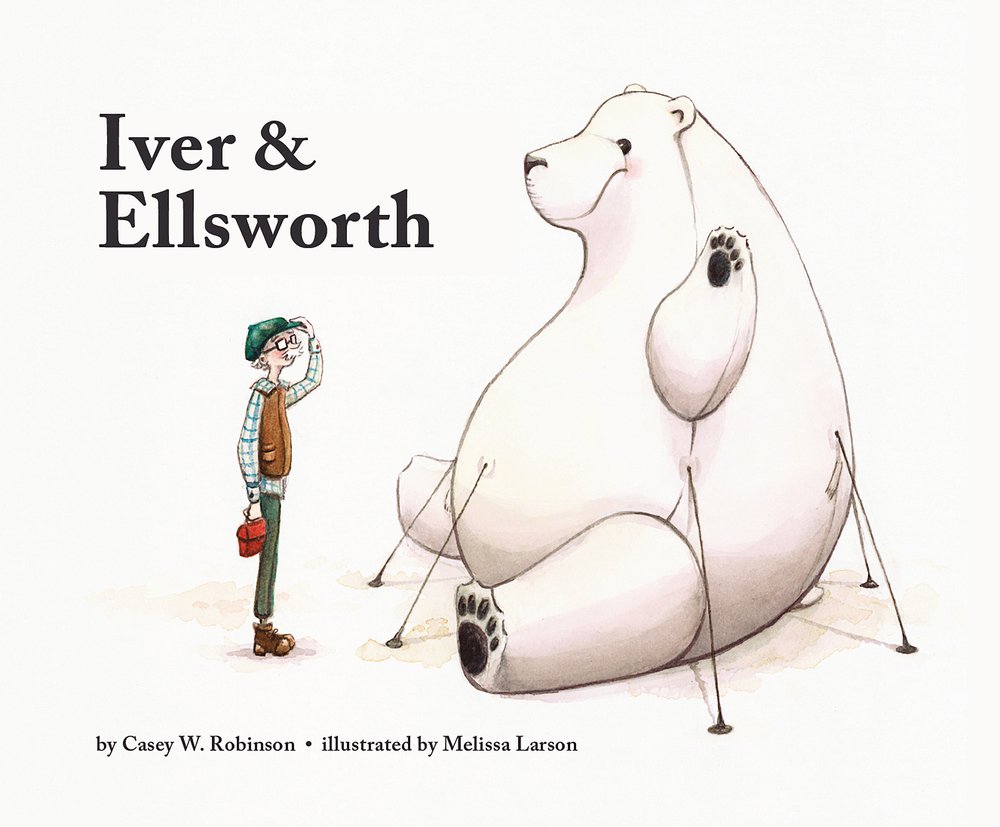


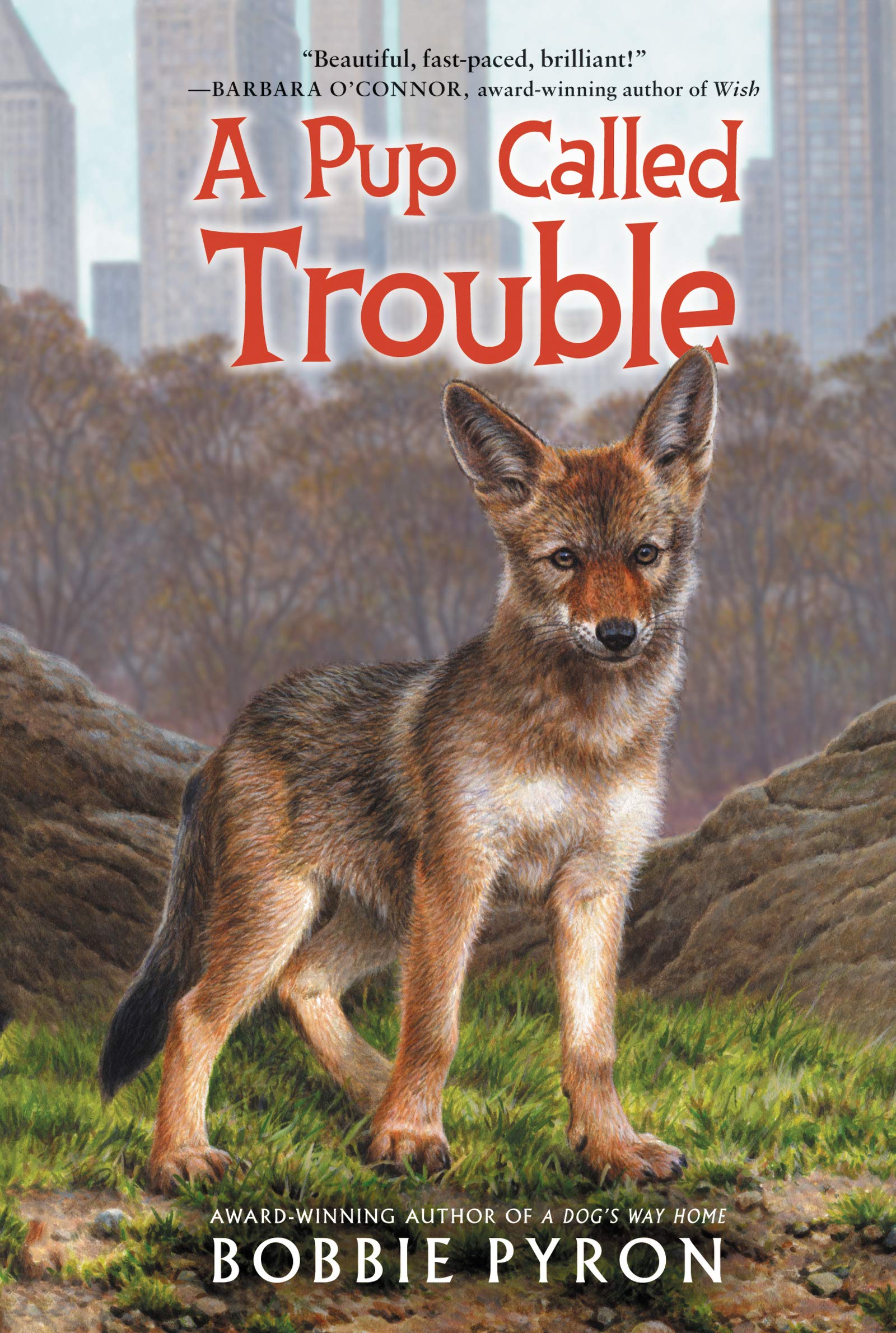


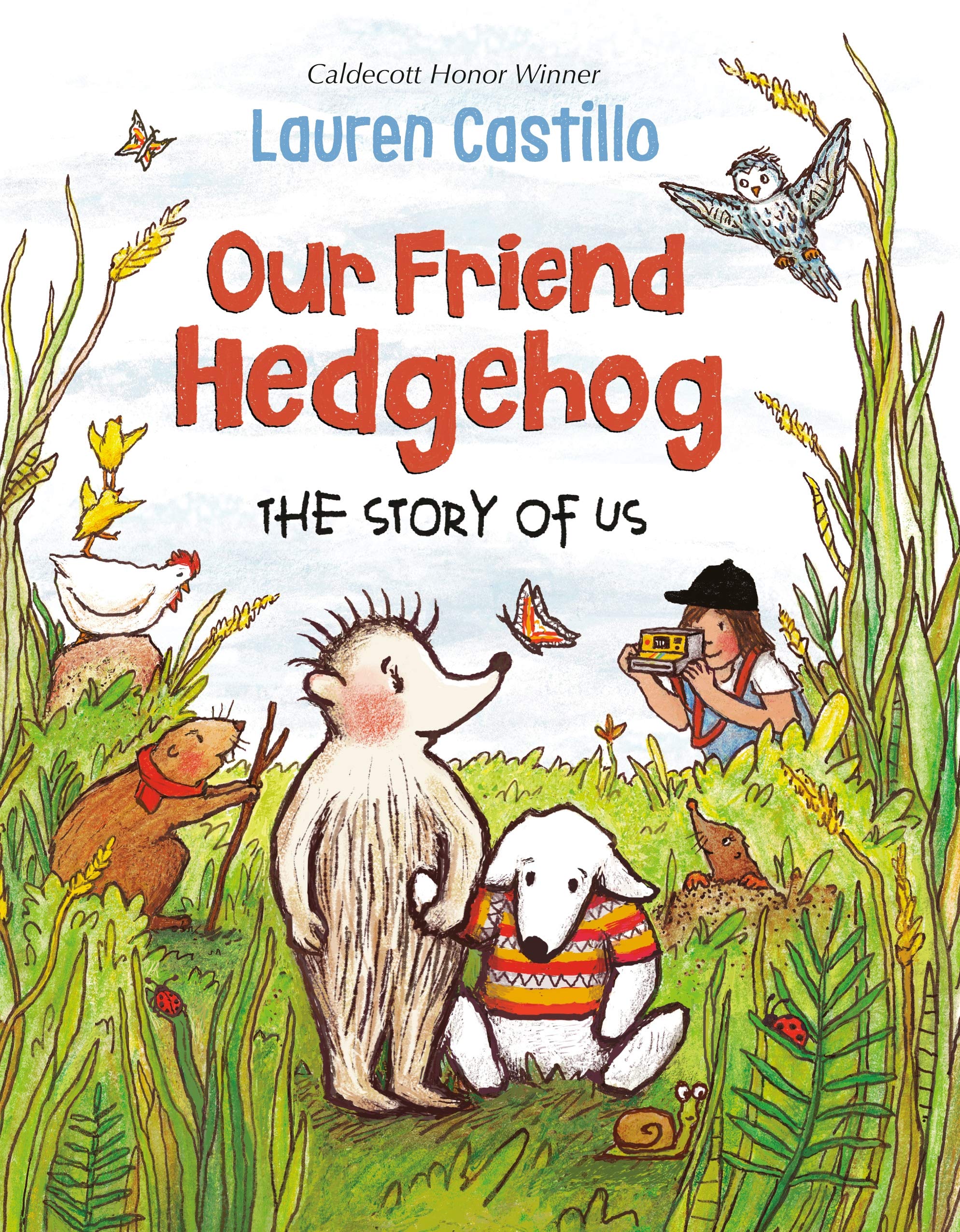

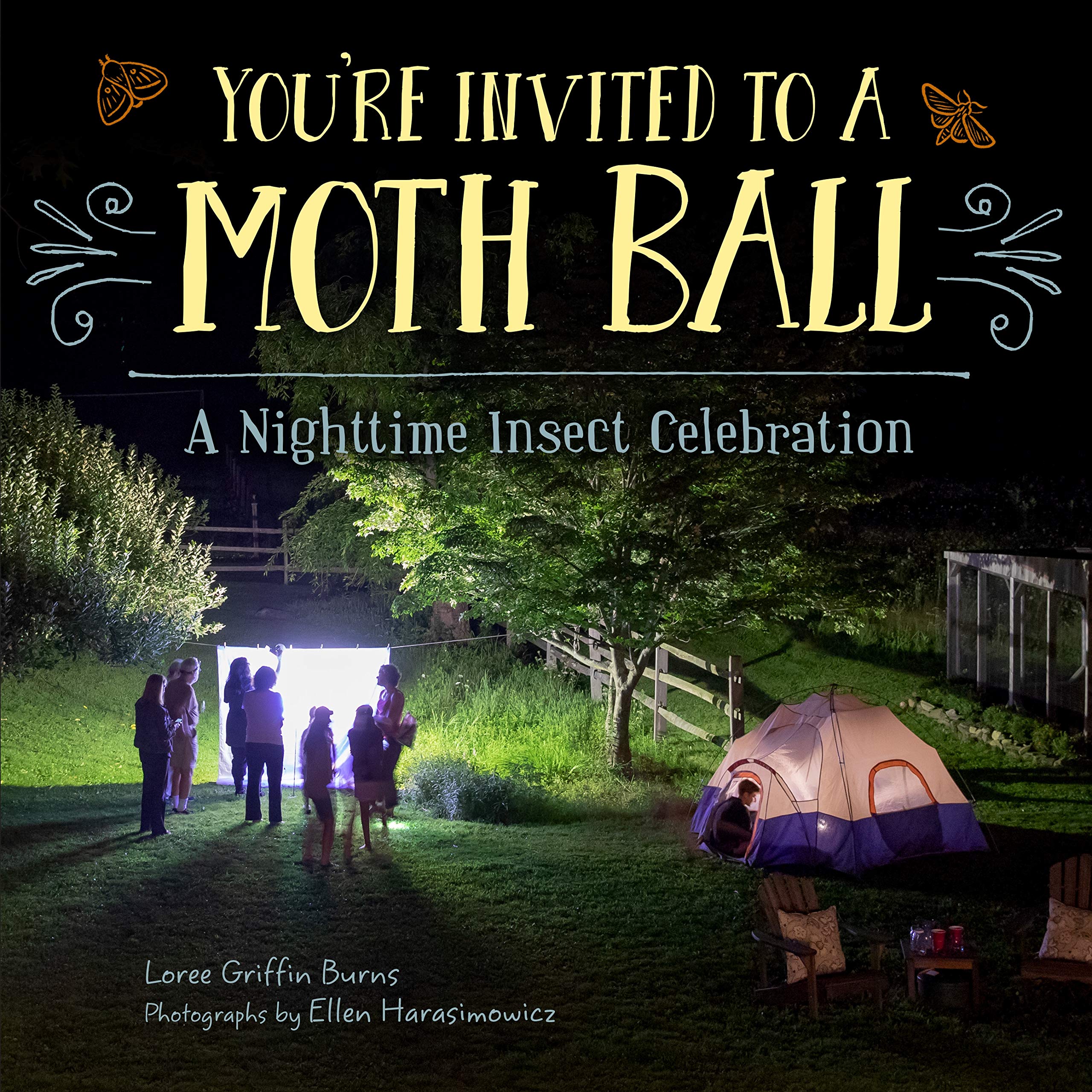


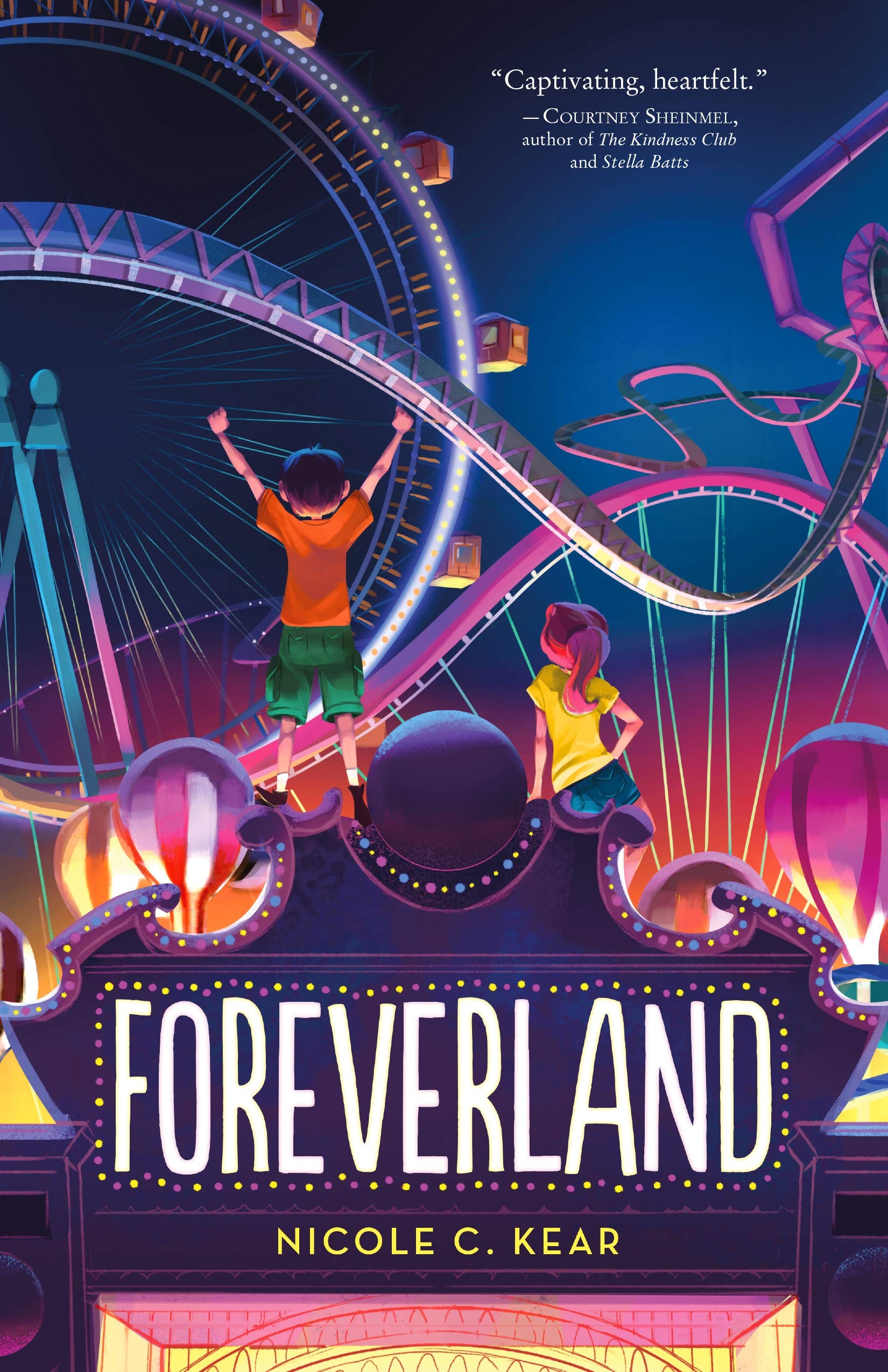


So a pretty cool line-up of signed picture books and novels, huh?
Okay–so to enter the SIGNED BOOKS Giveaway to win ALL of these books – THE KID LIT LOTTERY!!! ……
1) Make a comment on this blog about anything book-related, kid-related, a story to share about teaching, etc.. 🙂 *Please provide twitter handle or e-mail address with your comment* Also, if you share elsewhere online (Facebook, Twitter, Google+, etc.) please let us know here.
2) Share to Twitter with the hashtag #AuthorsLoveTeachers (I know–long hashtag 🙂 But it will help us find your entry!) ***Please include link!
.
Rules:
Giveaway ends on Saturday, February 22nd at 11:59PM. Winner will be announced late the following day. (I am traveling until then)
1) This is to show our appreciation for teachers and librarians, specifically. Therefore, the winner MUST have a school mailing address and be presently employed at that school. (Sorry–only US winners this time.)
***2) We know that teachers do not always get the appreciation they deserve. This giveaway is a reminder that WE appreciate you. Yes—we write the books, but YOU are in the trenches every day. YOU get the books into the hands of children. Together, we create life-long readers.
And for that…we are most grateful.
Thank you.
An anagram is a word made from the letters of another words such as “listen” and “silent”. In my latest book, SHOUTING AT THE RAIN, all of the characters’ names are anagrams.
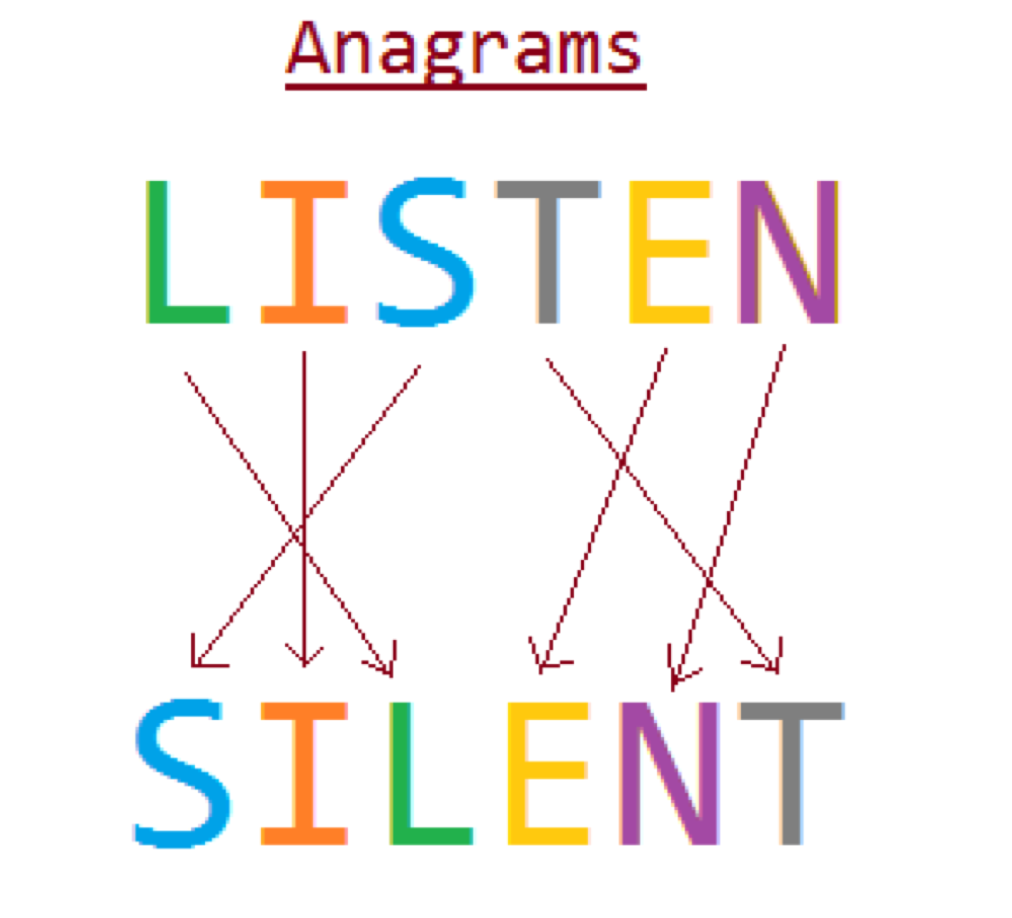
Click here to see my original blog post on Nerdy about the anagrams. 🙂
AS PROMISED, I am here to give my readers some hints as to the anagram solutions. Please see the list below.
Each line begins with a character’s name, followed by a hint. In some cases, I have included partial solutions or given the letter breakup of the answer. For example ” –5- —6— means there are two words in the solution – the first word is 5 letters and the second word is 6 letters.
Here are your anagram clues!!
Shouting at the Rain – Three words that describe a beverage everyone in the neighborhood drinks
Strong shoulder – three words: (1) opposite of weak (2) group of elephants (3) –4—
Delsie McHill – Who is she? ( —7—- –5– )
Bridget Maeve McHill – ( Be –4–, deliver –5— )
Joseph A. McHill – Refers to his favorite shirt
Ronan N. Gale – Something Ronan will do by end of the book ( Gonna –5— )
(Side note – Ronan means young seal in Celtic.)
Sherman Gale – Refers to story of the vessel lost under his command. Uses synonym for fisherman ( —6— –5— ) (On a side note, Sherman makes the last 7 letters of fisherman)
Aimee Polloch – Someone she is often with
Katrinka Schofield – Song title from Annie ( -3– 1 –4– –5– -4–)
Melissa “Mellie” Dawson McHill – Where has she been all this time? ( “Hi, call me Miss -3- -2- —6—, ME” ) (ME is postal code for Maine)
Henry I Lasko – Describes both his looks and his character
Esmarelda – “Seal” of approval
Ruby Loren – How she sees
Olive Tinselly – Refers to how she expresses love. Uses word “love” in anagram
Brandy Fiester – Something she does in the story ( —-7— —6— )
Tressa Bohlen – A nod to one of my favorite Fish in a Tree characters
Michael Poole – Best friend
Saucepan Lynn – The name of my beloved editor at Penguin
One for the Murphys was published in 2012. It feels like both a lifetime ago and just yesterday.
As I worked on Shouting at the Rain over the last few years, Carley Connors and Toni Byers have never been far from my heart. Murphys was written with complete and open emotional honesty because, quite frankly, I never thought it would be published.

My NEW COVER of One for the Murphys ❤
Murphys has a difficult and sad flashback of physical abuse that shows the reader why Carley was placed in foster care. But the rest of the book is about hope, and trust, and learning to love. And it’s about learning to be loved – which is hardest of all. It’s about resilience and grit. It’s about a middle school child learning to claim the life that she wants.
One for the Murphys could’ve been a dark and sad book. I worked very hard to ensure that it wouldn’t be. Not to say there isn’t a place in the world for dark, gritty books. There definitely is. Because sometimes kids who live with darkness are comforted by knowing that they are not alone.
But we authors often write the book we needed as children and I was not a kid like that. I would’ve liked to have known. Known for sure. That if I stood tall enough and worked hard enough and kept my sights on the long term that there would be light.
After One for the Murphys went under contract I was asked why I wrote it. At first I had no answer but, after a little reflection, I replied, “That book is a wish. I wish someone had taken me aside at thirteen and told me everything would be OK.”
I think that readers who read my work – or who have met me in person – know that while I am far from perfect, I am a champion for children. And so, I thought it important to tell the more difficult side of my story for them. But I wanted to do it with my chin tipped toward the light. And I wanted to do it in such a way that it wasn’t just merely telling a story but hopefully taking the hands of young readers who are struggling with their perceptions of themselves and the world and their emotions and help point them in the right direction. Toward the life they want.
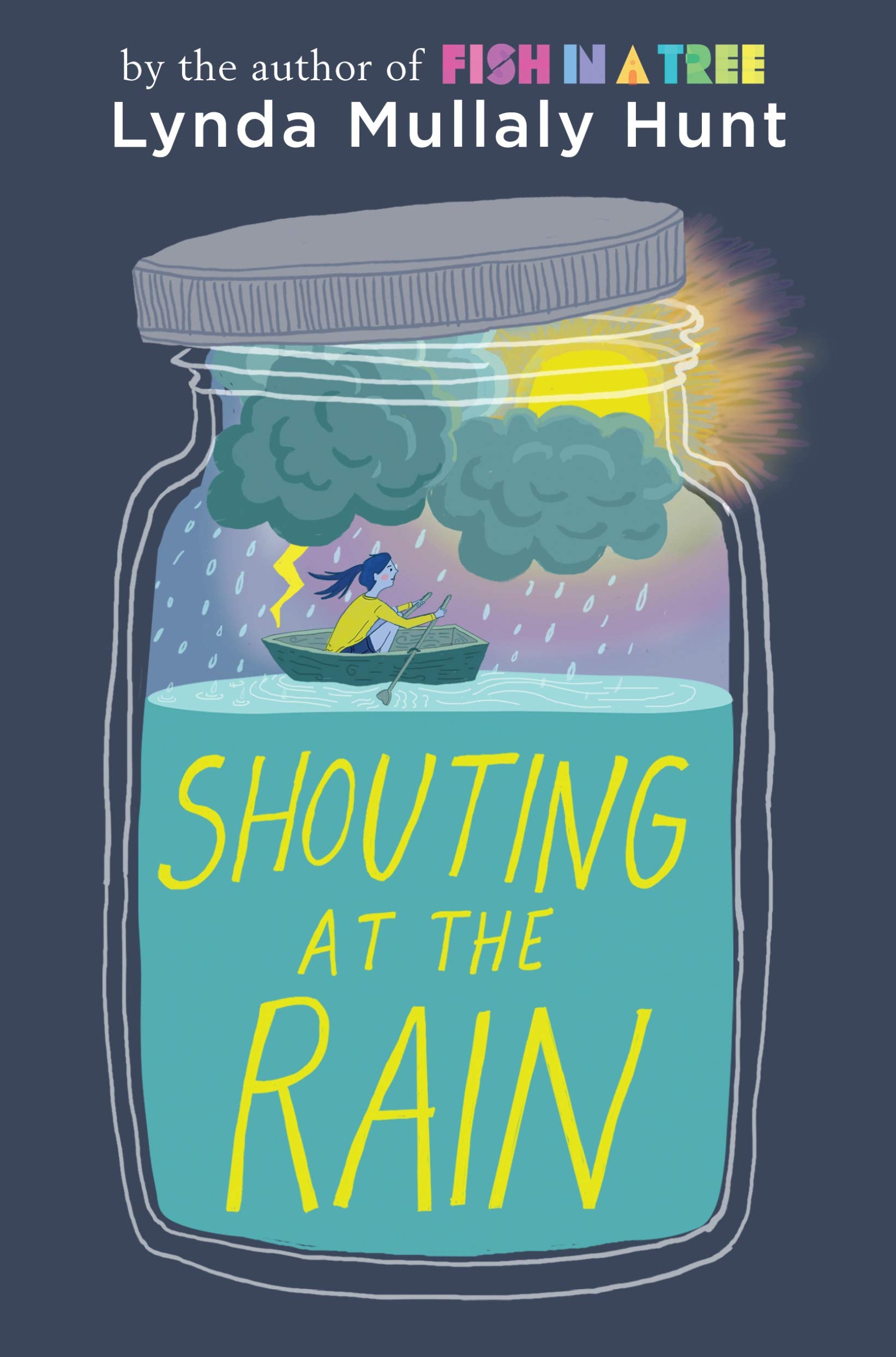 I want kids to know that life hands us all a myriad of experiences. It hands us joy and sorrow. Success and defeat. As my readers live their lives I want them to embrace joy. And when life hands them difficulty, I’d like them to know that they can handle it. That although life knocks us down sometimes, we can choose to stand up. Keep our shoulders strong.
I want them to know that I think of them every day. I know that many of them are struggling in different ways and looking for a compass. I know many of them feel like they’ve been dealt a lousy hand. I’m so sorry about that. I really am. But, I hope they are digging into their bravery to strive to make connections with people who value them for who they really are. For its these human connections that heal us.
I’d also like them to remember that a lousy hand played with courage and compassion can lead to incredible gifts.


HELLO, HEROIC TEACHERS AND LIBRARIANS!
It’s THAT time again. Valentine’s Day – when we all take a moment to celebrate those we love. So, we authors want you — teachers and librarians — to know that we adore you for all you do for kids every day. We appreciate you. We KNOW that you are not celebrated the way that you ought to be. For you, there should be parades  and fireworks and a national holiday.
Many know that my second novel, Fish in a Tree, is a love letter to wonderful teachers everywhere. As I think of a few teachers, in particular, I really wonder where I’d be had I not crossed paths with them. Many have heard about Constantine Christy, my sixth grade teacher, who was the inspiration for Mr. Daniels in Fish. But, few know the story of Mr. Berard.
Mr. Berard was my seventh grade social studies teacher. He clearly loved his job and “his kids”. Just as with Mr. Christy, it became important to me to impress him so when he assigned a big project in late fall, I decided I would blow his mind by building a colonial village.
In the basement of our apartment, I found a piece of plywood and began there. By the time my mom came home from work, I was mixing plaster of Paris with dirt on our dining room table. (Yeah, I know…) I made buildings out of inside-out food boxes and crayons. I used macaroni and cotton balls and legos and anything else I could find. In my own mind, it remains Smithsonian-worthy.
The heft of it made it hard to carry so, by the time I got to class, I dropped it on a desk, relieved to put it down. The noise got the attention of two unkind girls.
“What is this?” one asked.
“It’s my project!” I smiled, feeling a bit taller than usual.
“That’s not what we were supposed to do…” she responded with disgust. And then laughter. The kind of laughter that makes you shrink inside. And as I looked up, I noticed no other project in the room looked like mine. Not even close.
By the time Mr. Berard stood at my side, I stared at my shoes, my ears filled with the girls’ snickering.
I messed up. I couldn’t believe it. I had blown it. Again. What was wrong with me? How come I had to be the person I was?
Mr. Berard was quiet while the girls told him how wrong I was. I waited forever for him to speak. And when he finally did, he said, “Well…you didn’t follow the directions, so…”
I wanted to disappear.
“…I’m going to have to give you an A minus…”
The girls argued but he told them to go. My head rose slowly so I could look at his face to see if he was telling the truth. And we locked eyes. His smile was sad. I don’t even think I said thank you. I couldn’t say anything.
If he had followed a rubric as we use now, I would have failed. Maybe I deserved that. But he would have undone everything that Mr. Christy had accomplished the year before. Instead, he chose to see the child before the student. Because of this, I looked at him with gratitude in the months that followed and the student worked very hard for him. And…was always careful to read the directions.
THANK YOU, teachers and librarians, for your keen minds, your strong spines, and your broad hearts. Every day, you have the opportunity to shape the world in ways that few other professionals can. WE SALUTE YOU.
HUGE THANKS TO THE GENEROUS, TALENTED AUTHORS/ILLUSTRATORS who’ve donated their books for this giveaway. Of course, I couldn’t do this without each of you!
**Directions on how to enter are at the end of the post!
So, without further adieu…

This is a PRINT from the SHE PERSISTED PICTURE BOOK hand-signed by both author, Chelsea Clinton, and illustrator, Alexandra Boiger!!!
And here are the SIGNED BOOKS!:

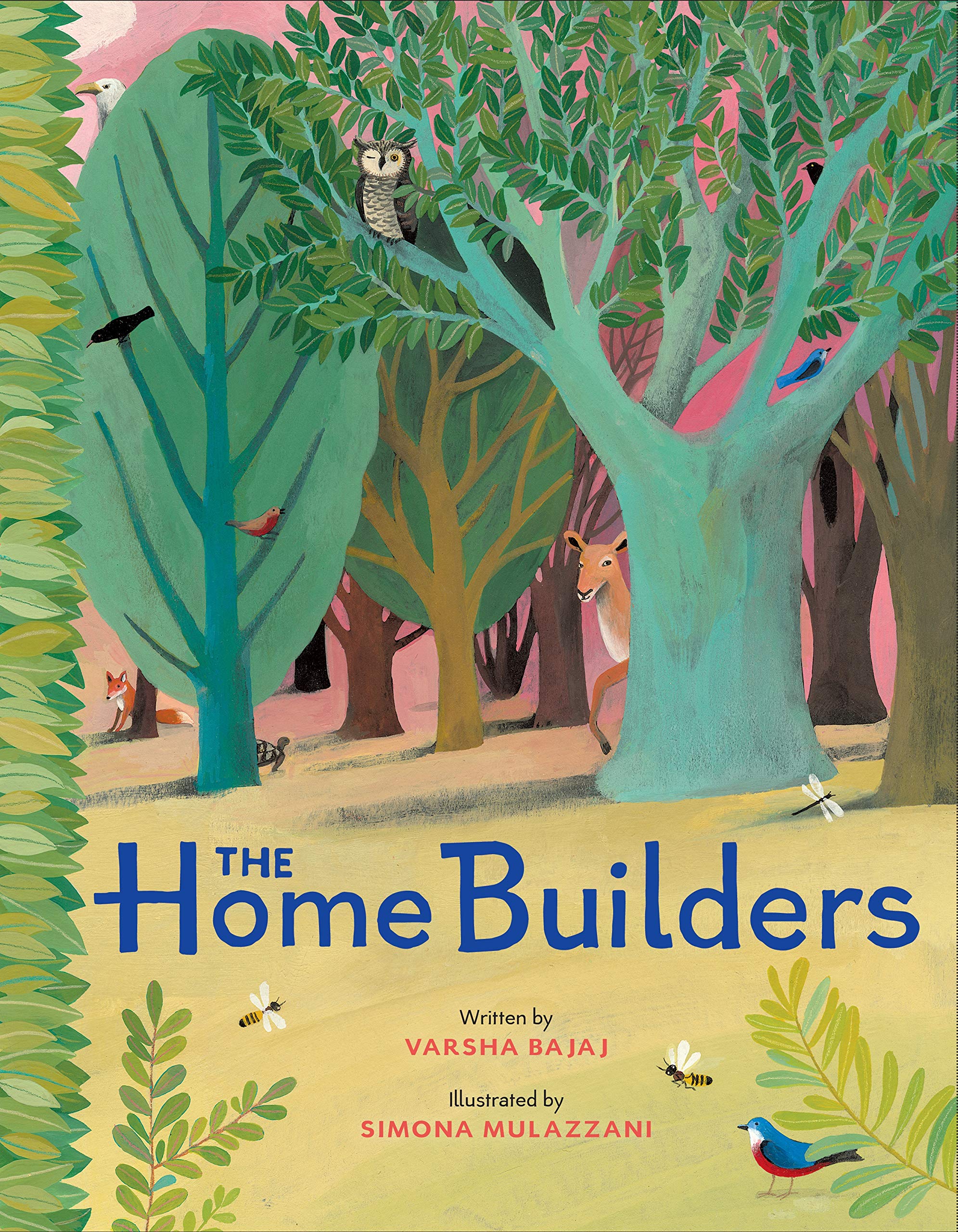



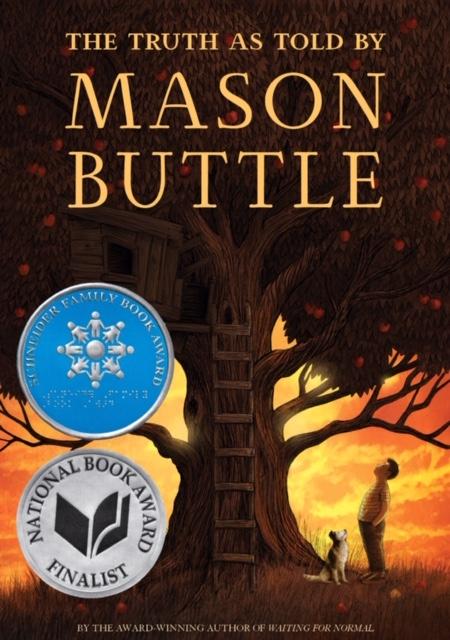


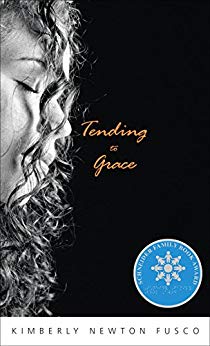


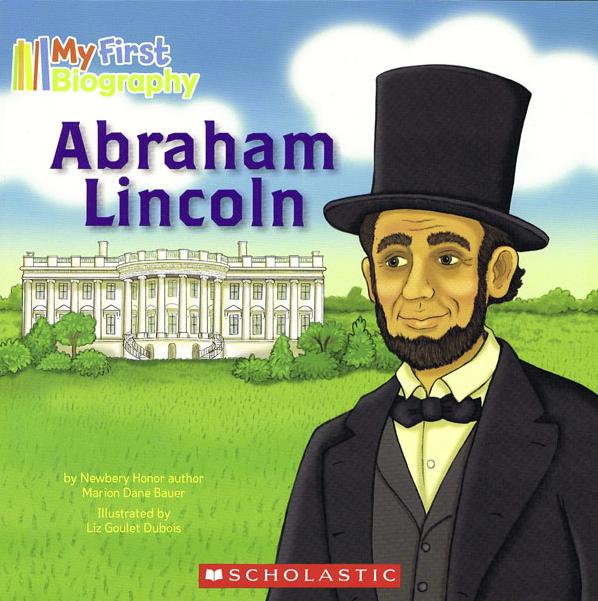


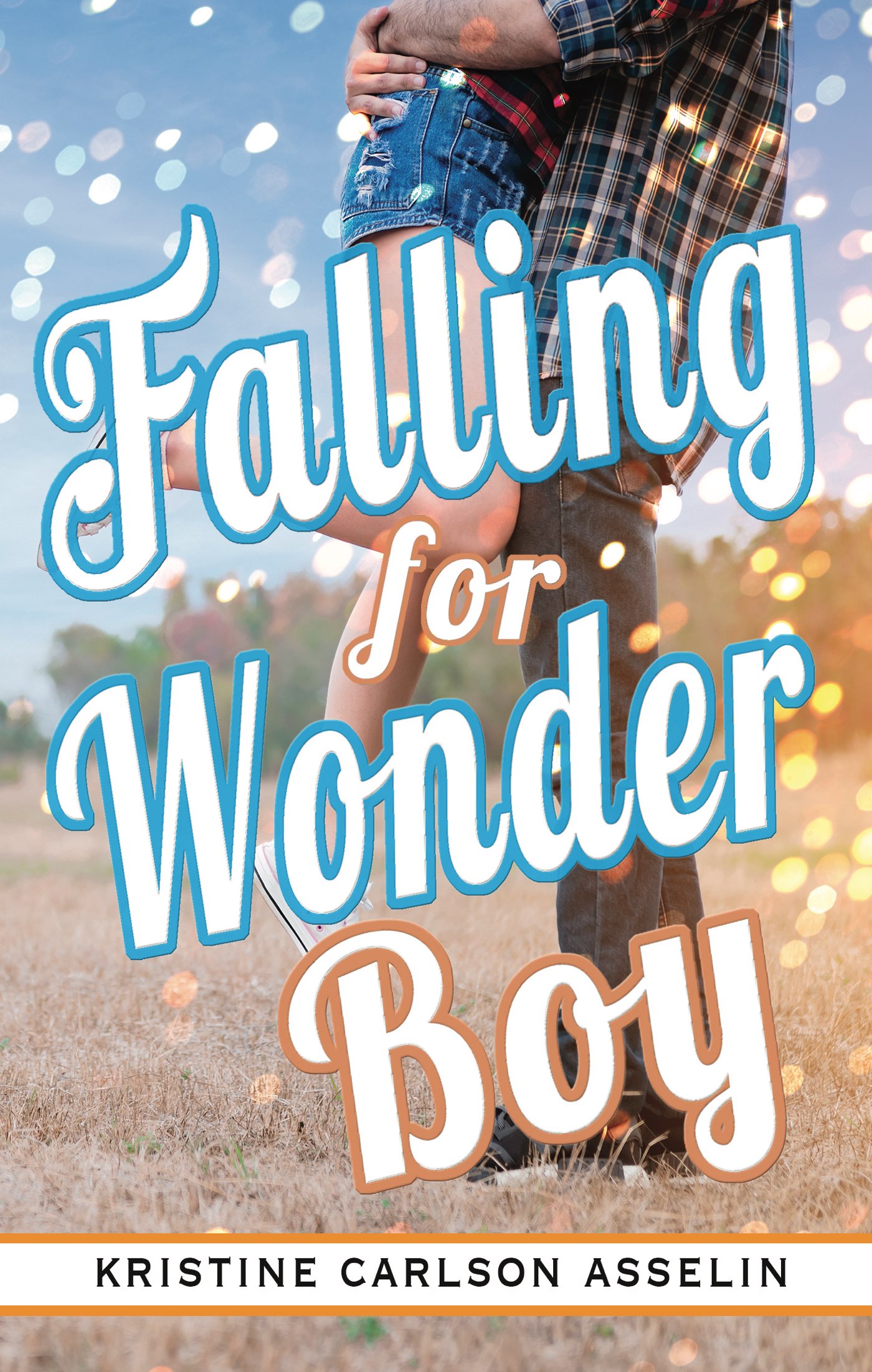


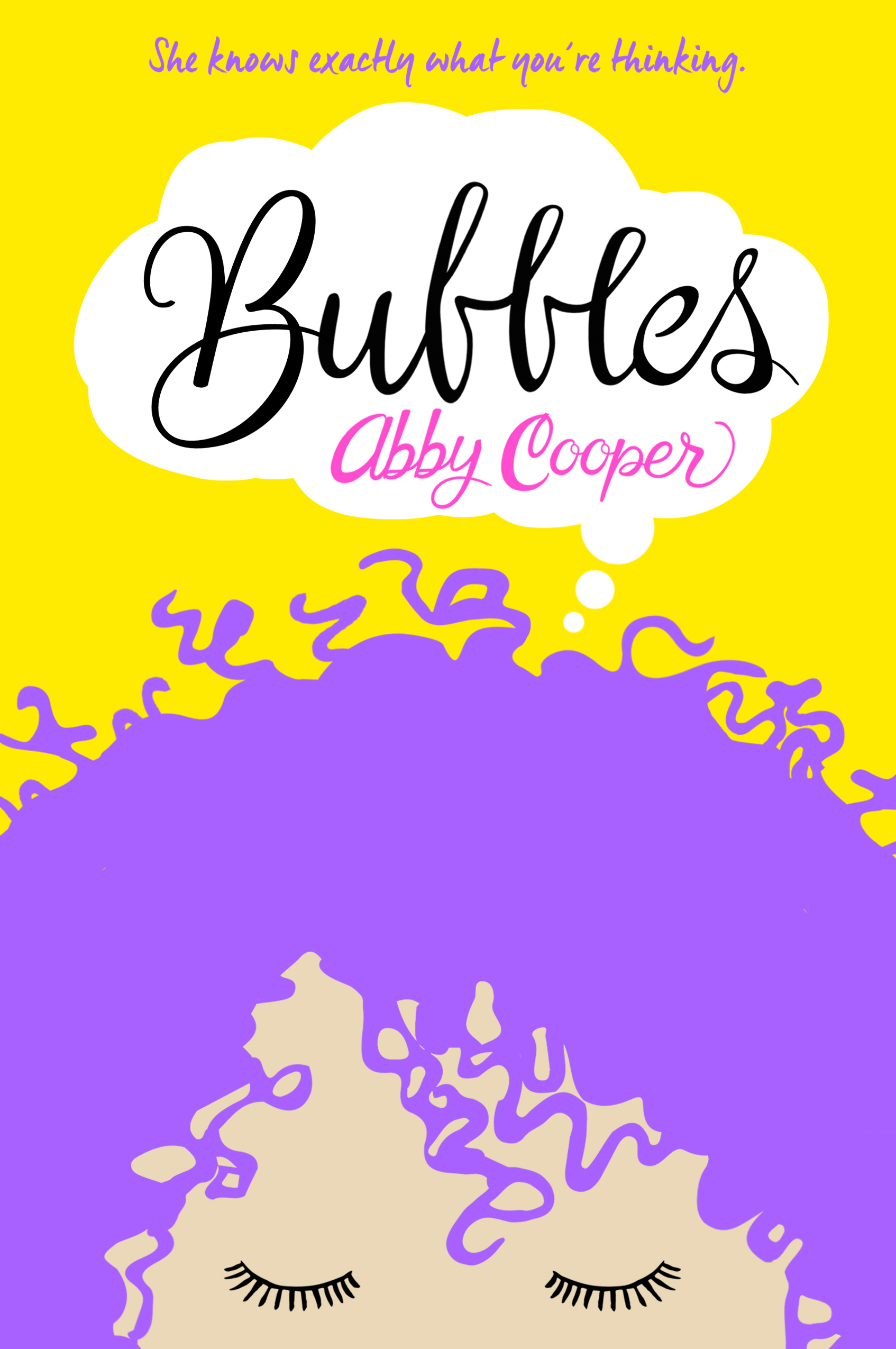


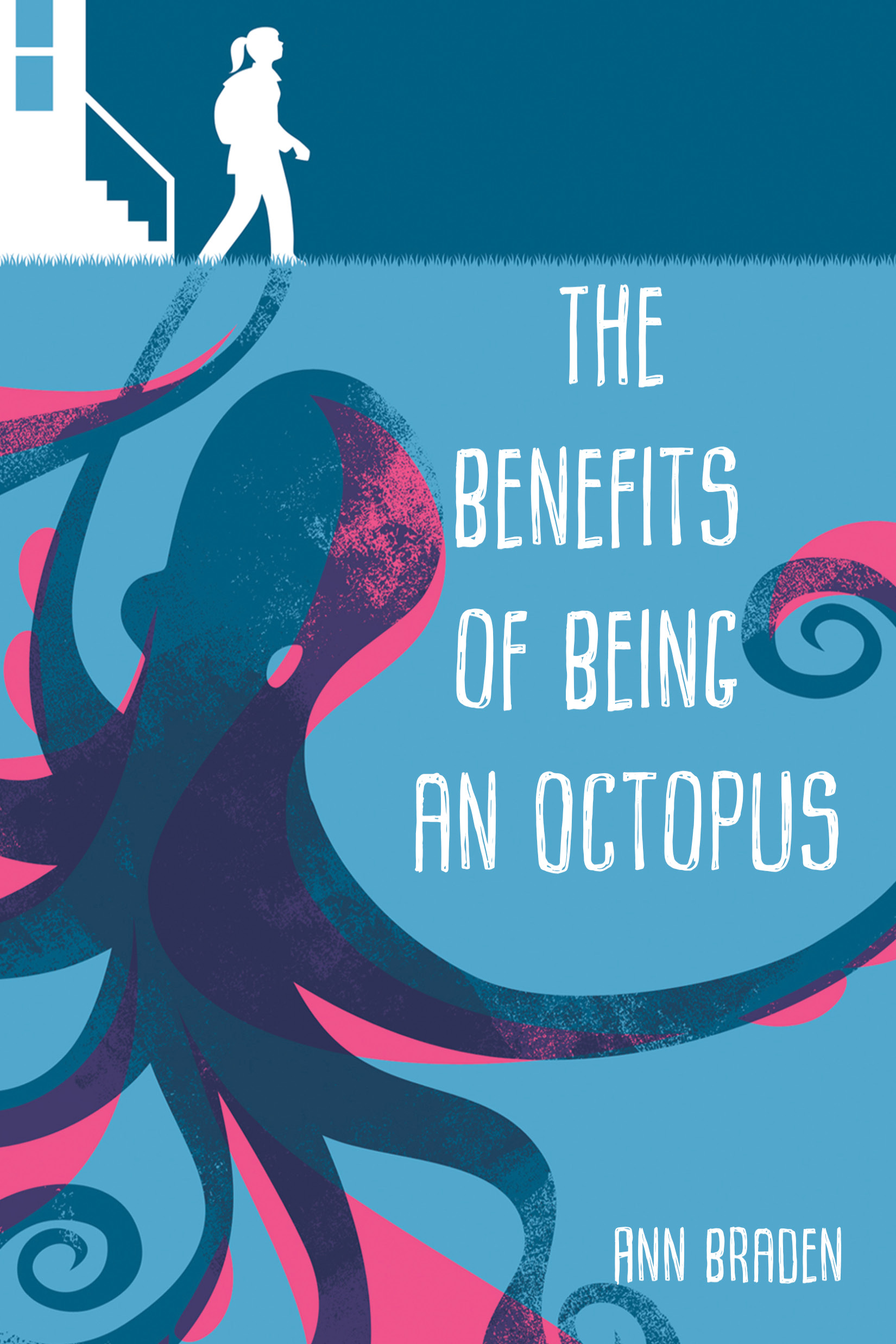


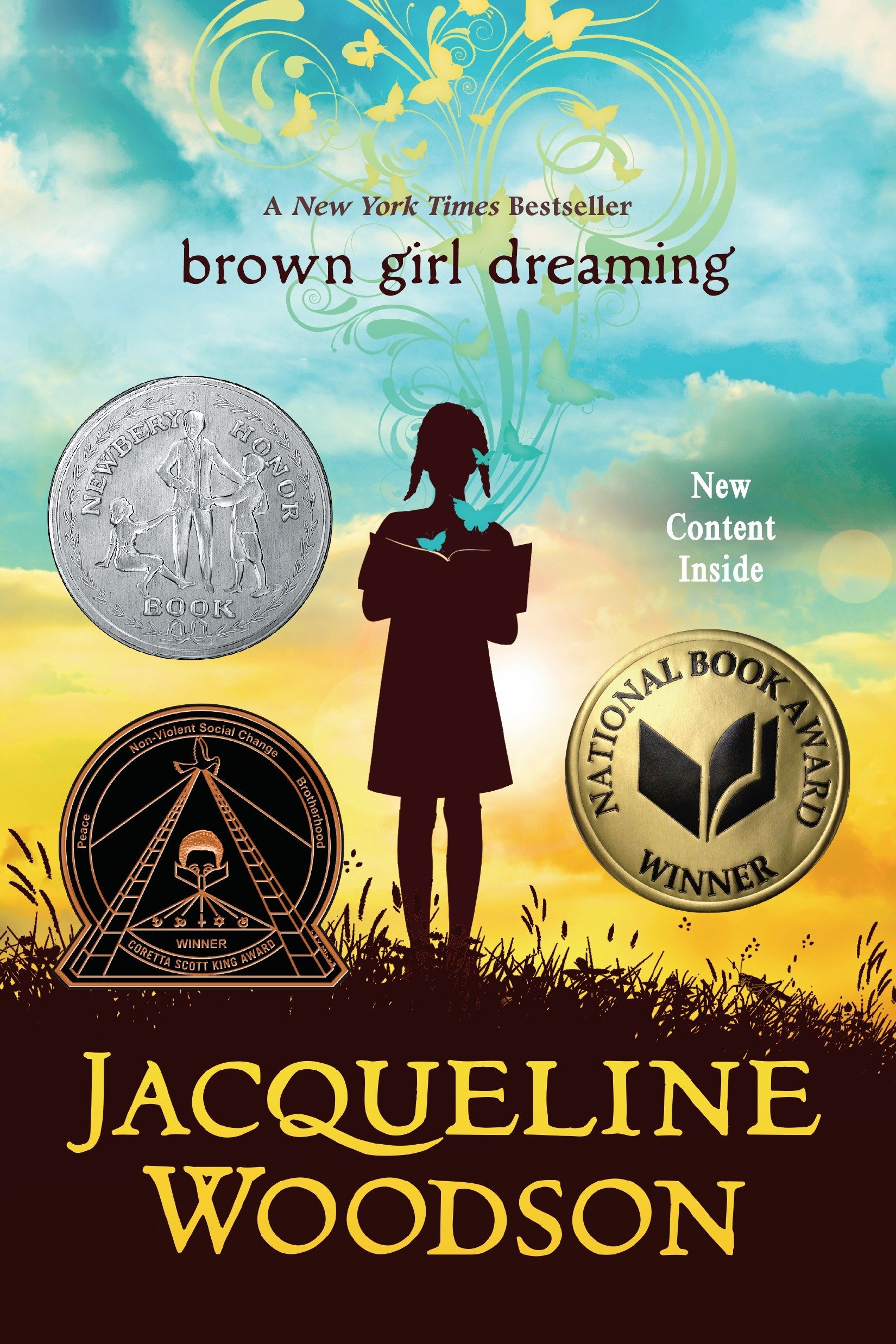


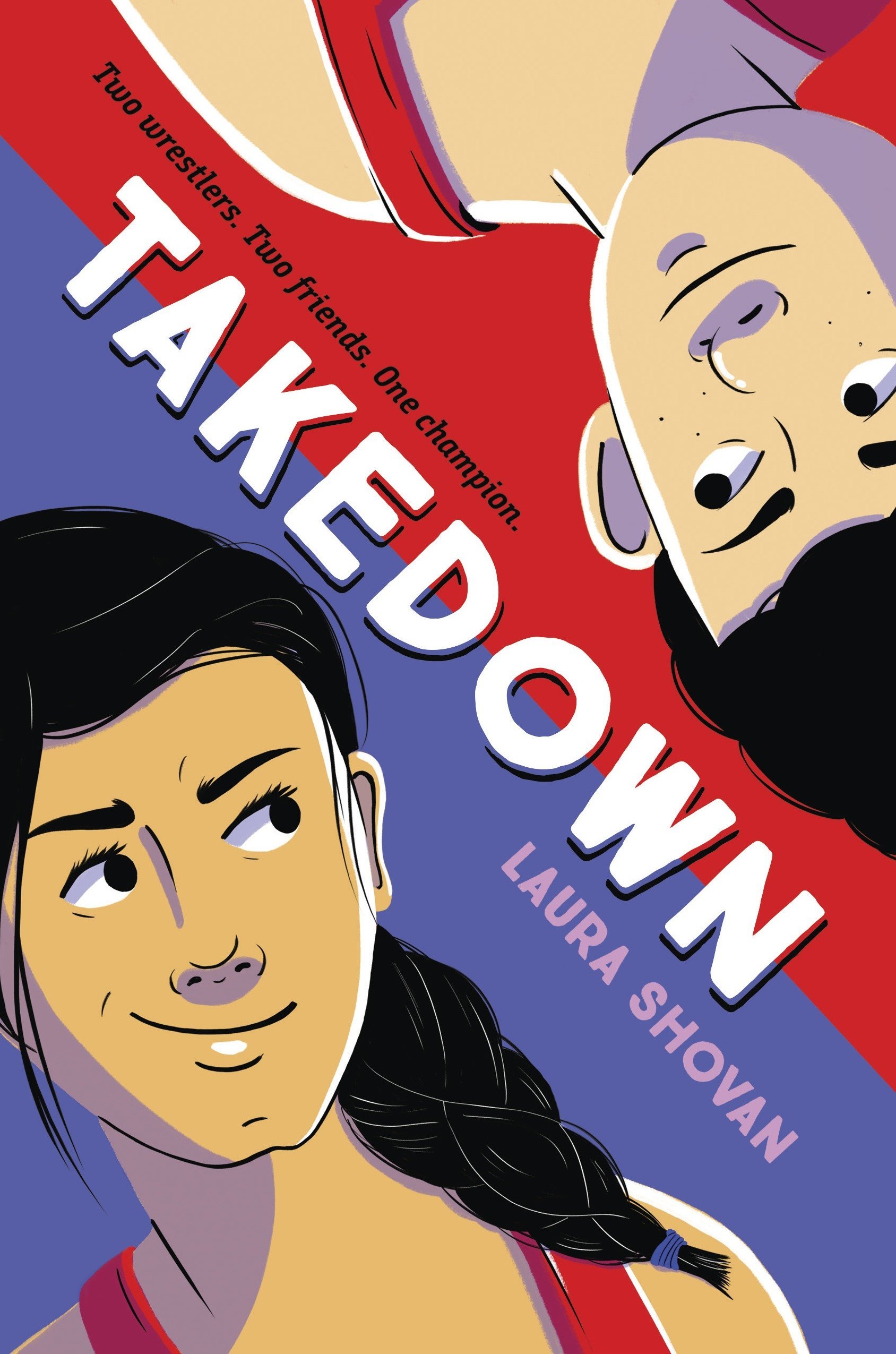


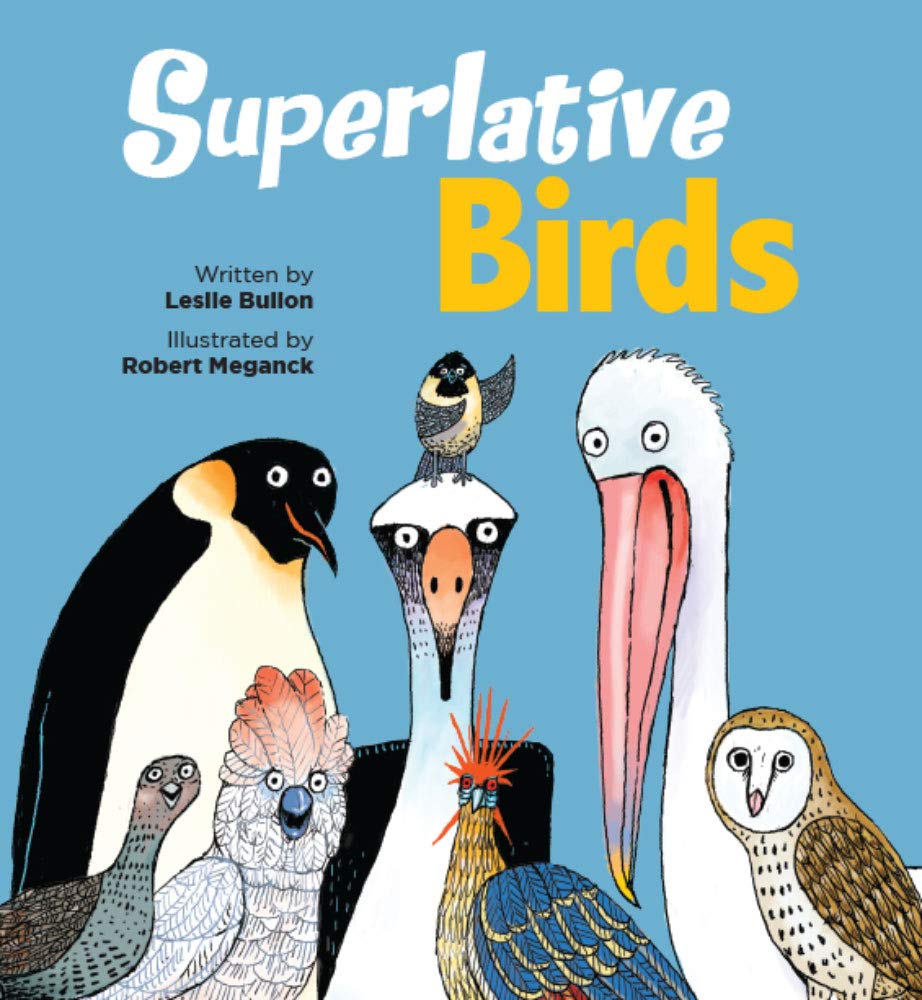
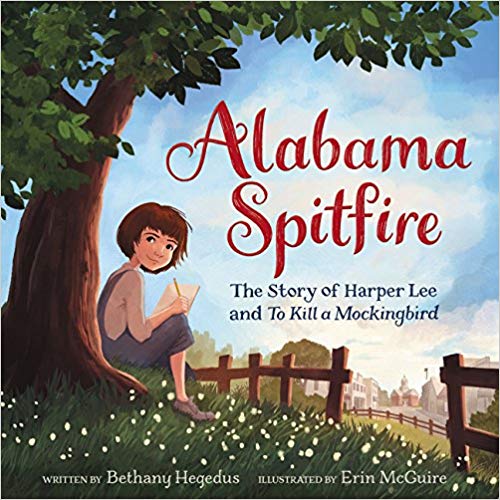


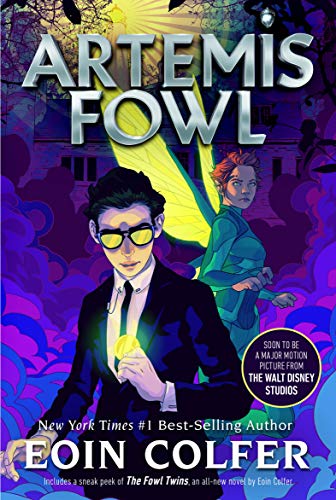


So a pretty cool line-up of signed picture books and novels, huh?
Okay–so to enter the SIGNED BOOKS Giveaway to win ALL of these books – THE KID LIT LOTTERY!!! ……
1) Make a comment on this blog about anything book-related, kid-related, something to inspire or make anyone reading this smile. 🙂 *Please provide twitter handle or e-mail address with your comment* Also, if you share elsewhere online (Facebook, Twitter, Google+, etc.) please let us know here.
2) Share to Twitter with the hashtag #AuthorsLoveTeachers (I know–long hashtag 🙂 But it will help us find your entry!) ***Please include link, if possible!
.
Rules: ***Giveaway ends on Thursday, February 21 at 11:59PM. Winner will be announced the following day.
1) This is to show our appreciation for teachers and librarians, specifically. Therefore, the winner MUST have a school mailing address and be presently employed at that school. (Sorry–only US or Canadian winners this time.)
***2) We know that teachers do not always get the appreciation they deserve. This giveaway is a reminder that WE appreciate you. Yes—we write the books, but YOU are in the trenches every day. YOU get the books into the hands of children. Together, we create life-long readers.
And for that…we are most grateful.
Thank you.
















 STRONG SHOULDERS